Transcription of Material Safety Data Sheet
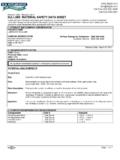
1 Material Safety data SheetProduct Name:LESCO WET PLUS LIQUIDHMIS Codes:H F R PProduct Code:LES/WETULTRA2 2 0 XSection I Manufacturer IdentificationManufacturered for:LESCOA ddress:15885 Sprague Road, Strongsville, OH 44136-1799 Emergency Phone:Chemtrec (800) 424-9300 Information Phone:(800) 321-5325 Prepared By:MSDS CoordinatorDate Revised:January 30, 2003 Section II Hazardous Ingredients/SARA III InformationHazardous ComponentsOccupational Exposure LimitsComponentCAS NumberOSHA PELW eight PercentEthylene Glycol Butyl Ether*111-76-225 ppm; 120 mg/m3< 40%*Ethylene Glycol Butyl Ether is reportable under SARA Title III, Section 313 under the category of N230 Certain GlycolEthers which has a de minimis concentration of III - Physical/Chemical CharacteristicsBoiling Point: 340 FSpecific Gravity: (H20 = 1) Density: Rate: In Water:DispersibleAppearance and Odor:Colorless/lightly colored liquid, solvent odorSection IV - Fire and Explosion Hazard data :Flash Point:140 FMethod Used:TCCF lammable Limits in Air by Volume: Media:Foam, alcohol foam, carbon dioxide, dry chemical, water fogFire Fighting Precautions & Hazards:Prevent human exposure to fire, fumes, smoke, and products of non-essential personnel.
2 Fire fighters should wear butyl rubber boots, gloves, and body suit and a NIOSH/MSHA self-contained breathing apparatus. Use water to cool containers exposed to Fire and Explosion Hazards:This product is combustible. Keep liquid and vapor away from oxidizers,heat, sparks, and flame. Surfaces that are sufficiently hot may ignite even liquid product in the absence of sparks or with oxidizers may result in a fire and/or explosion. Containers, even those that have been emptied, can containexplosive vapors. Do not cut, drill, grind, weld or perform similar operations on or near V Reactivity DataStability:StableConditions to Avoid:Heat, heated surfaces, static electricity, electric arcs, sparks, and (Materials to Avoid):Avoid contact with bleaching agents and oxidizers which include chlorine,oxygen, permanganates, perchlorates, percarbonates, peroxides, chromates, hypochlorites, nitric acid, and sulfuric acid. Avoidcontact with amphoteric metals which include aluminum, copper, and Decomposition Products:When involved in a fire, burning may evolve noxious fumes which mayinclude carbon monoxide, carbon dioxide, miscellaneous organic compounds, some possibly Polymerization:Will not VI - Health Hazard DataInhalation Health Risks and Symptoms of Exposure:Inhalation may cause irritation.
3 Prolonged or repeatedoverexposure by inhalation may cause headache, dizziness, nausea, vomiting, Contact Health Risks and Symptoms of Exposure:Eye contact with product may cause severe irritation oreye Contact Health Risks and Symptoms of Exposure:Prolonged or repeated skin contact may cause Wet PlusMaterial Safety data SheetPage 2 Section VI - Health Hazard data (Continued)Skin Absorption Health risks and Symptoms of Exposure:Absorption through skin may result in symptomsdescribed under inhalation and Health Risks and Symptoms of Exposure:Ingestion may cause headache, dizziness, nausea, vomiting,weakness, blood disorders, even Hazards (acute and chronic):Overexposure may cause damage to, disorders of, or adversely affect thefollowing systems, functions, organs: blood, lungs, kidneys, liverCarcinogenicityNTP?NoIARC Monographs?NoExisting Medical Conditions Generally Aggravated By Exposure:May provoke asthmatic response in personswith asthma who are sensitive to airway irritants.
4 Overexposure may aggravate disorders of the eyes, skin, and and First Aid Procedures:Eyes:Flush with flowing water for at least 15 minutes. Call a :Wash affected area with soap and water. If irritation develops consult a physician. Remove and laundercontaminated clothing before :If difficulty in breathing occurs, move to fresh air. Get immediate medical :Get immediate medical attention. Unless advised otherwise, dilute with water and induce vomiting immediatelySection VII Precautions for Safe Handling and UseSteps to be Taken in Case Material is Released or Spilled:Contain the spill to prevent a large discharge togroundwater, surface streams, or storm sewers. Since landfill operations will not accept liquid waste, allow to dry if possiblebefore collecting for disposal. An absorbent Material would aid in cleaning up a liquid spill. If liquid cleanup is necessary,collect in drums, buckets, or other Disposal Method:If possible, the product should be dried before disposal.
5 Disposal must be made inaccordance with federal, state, and local to be Taken in Handling and Storing:Local exhaust. Do not freeze. Avoid unnecessary skincontact. Do not breathe fumes. Use non-sparking Precautions:Eye wash fountains should be easily accessible. As with all chemicals, keep out of the reach VIII - Control MeasuresRespiratory:If excessive vapors or mists are generated, wear NIOSH/MSHA approved organic vapor/mist :Use local exhaust to control excessive vapors/mists. Local mechanical ventilation may be required tomaintain exposure levels below OSHA/ACGIH requirements. If applicable, proper personal protection is a NIOSH/MSHA approved :Gloves, coveralls, apron, boots as necessary to prevent skin contact as :Chemical goggles; wear face shield if splashing hazard :Open wounds or skin surface disruptions should be covered with a chemical resistant patch to minimizeabsorption risks. Clean clothing should be worn daily to avoid possible long-term build up of the product leading to chronicoverexposure.
6 Safety shower, eye wash fountain, and washing facilities should be readily IX - Shipping and Labeling Shipping data :Not regulated for non-bulk Hazard Labels IdentificationNASection X - DisclaimerThe opinions expressed herein are those of qualified persons with Lesco, Inc. We believe the information contained here iscurrent as of the date of this Material Safety data Sheet . Since the use of this product is not within the control of Lesco, Inc., itis the user s obligation to determine a safe end use of this product.