Transcription of Material Safety Data Sheet - Protection Engineering
1 Emergency Overview: FLAMMABLE liquid and vapor. Effects Of Overexposure - Eye Contact: May cause eye irritation. Effects Of Overexposure - Skin Contact: Direct skin contact may cause irritation. May cause allergic skin reaction. Effects Of Overexposure - Inhalation: Harmful if inhaled, may affect the brain or nervous system, causing dizziness, headache, or nausea. May cause nose and throat irritation. Effects Of Overexposure - Ingestion: Harmful if swallowed. Effects Of Overexposure - Chronic Hazards: No Information. Primary Route(s) Of Entry: Skin Contact, Skin Absorption, Inhalation, Ingestion, Eye Contact Medical Conditions Prone to Aggravation by Exposure: If you have a condition that could be aggravated by exposure to dust or organic vapors, see a physician prior to use.
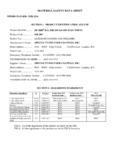
2 If sensitized to amines, epoxies, or other chemicals do not use. See a physician if a medical condition exists. Material Safety data Sheet CHEMTREC Transporation Emergency Phone: 800-424-9300 Pittsburgh Poison Control Center Health Emergency No.: 412-681-6669 NOTE: The CHEMTREC Transportation Emergency Phone is to be used only in the event of chemical emergencies involving a spill, leak, fire, exposure or accident involving chemicals Section 1 - Chemical Product / Company Information Product Name: RUSTBOND FC PART A Revision Date: 01/31/2006 Identification Number: PLMSDS 0939A1NL Supercedes : 08/01/2005 Product Use/Class: Polymeric Epoxy Amine - FOR INDUSTRIAL USE ONLY Preparer:Regulatory, DepartmentManufacturer: Carboline Company 350 Hanley Industrial Ct.
3 St. Louis, MO 63144 Section 2 - Composition / Information On Ingredients Chemical NameCAS NumberWeight % Less ThanACGIH TLV-TWAACGIH TLV-STELOSHA PEL-TWAOSHA-CEILEPOXY PHENOL NOVOLAC PPMN/E150 PPMNES ection 3 - Hazards Identification First Aid - Eye Contact: If Material gets into eyes, flush with water immediately for 15 minutes. Consult a physician. First Aid - Skin Contact: In case of contact, immediately flush skin with plenty of water while removing contaminated clothing and shoes. Launder clothing before reuse. If rash or irritation develops, consult a physician.
4 First Aid - Inhalation: If inhaled, remove to fresh air. Administer oxygen if necessary. Consult a physician if symptoms persist or exposure was severe. First Aid - Ingestion: If swallowed do not induce vomiting. Seek immediate medical attention. Extinguishing Media: Carbon Dioxide, Dry Chemical, Foam, Water Fog Unusual Fire And Explosion Hazards: Flammable Liquid. Vapors are heavier than air and will accumulate. Vapors will form explosive concentrations with air. Vapors travel long distances and will flashback. Use mechanical ventilation when necessary to keep percent vapor below the "Lower Explosion Level" (LEL).
5 Eliminate all ignition sources. Keep away from sparks, open flames and heat sources. All electric equipment and installations should be made and grounded in accordance with the National Electrical Code. In areas where explosion hazards exist, workers should be required to use non-ferrous tools and to wear conductive and non-sparking shoes. Special Firefighting Procedures: Flammable. Cool fire-exposed containers using water spray. Steps To Be Taken If Material Is Released Or Spilled: Eliminate all ignition sources. Handling equipment must be grounded to prevent sparking.
6 Evacuate the area of unprotected personnel. Wear appropriate personal Protection clothing and equipment. Follow exposure controls/personal Protection guidelines in Section 8. Contain and soak up residual with an aborbent (clay or sand). Take up absorbant Material and seal tightly for proper disposal. Dispose of in accordance with local, state and federal regulations. Refer to Section 15 for SARA Title III and CERCLA information. Handling: Do not get in eyes, on skin, or on clothing. Keep container tightly closed when not in use. Wear personal Protection equipment.
7 Do not breathe vapors. Wash thoroughly after handling. If pouring or transferring materials, ground all containers and tools. Do not weld, heat, cut or drill on full or empty containers. Use only in accordance with Carboline application instructions, container label and Product data Sheet . Storage: Keep away from heat, sparks, open flames and oxidizing agents. Keep containers closed. Store in a cool, dry place with adequate ventilation. Section 4 - First Aid Measures Section 5 - Fire Fighting Measures Flash Point, F: 45F (7C) Lower Explosive Limit, %: (Setaflash) Upper Explosive Limit, %: Section 6 - Accidental Release Measures Section 7 - Handling And Storage Section 8 - Exposure Controls / Personal Protection Engineering Controls: Use explosion-proof ventilation when required to keep below health exposure guidelines and Lower Explosion Limit (LEL).
8 Respiratory Protection : Use only with ventilation to keep levels below exposure guidelines listed in Section 2. User should test and monitor exposure levels to ensure all personnel are below guidelines. If not sure, or not able to monitor, use MSHA/NISOH approved supplied air respirator. Follow all current OSHA requirements for respirator use. Skin Protection : Recommend impervious gloves and clothing to avoid skin contact. If Material penetrates to skin, change gloves and clothing. The use of protective creams may be beneficial to certain individuals.
9 Protective creams should be applied before exposure. Eye Protection : Recommend Safety glasses with side shields or chemical goggles to avoid eye contact. Other protective equipment: Eye wash and Safety showers should be readily available. Hygienic Practices: Wash with soap and water before eating, drinking, smoking, applying cosmetics, or using toilet facilities. Use of a hand cleaner is recommended. Launder contaminated clothing before reuse. Leather shoes can absorb and allow hazardous materials to pass through. Check shoes carefully after soaking before reuse.
10 (See section 16 for abbreviation legend) Conditions To Avoid: Heat, sparks and open flames. Incompatibility: Keep away from strong oxidizing agents, heat and open flames. Hazardous Decomposition Products: Carbon monoxide, nitrogen oxides, and unidentified organic compounds. Consider all smoke and fumes from burning Material as very hazardous. Welding, cutting or abrasive grinding can create smoke and fumes. Do not breathe any fumes or smoke from these operations. Hazardous Polymerization: Will not occur under normal conditions. Stability: This product is stable under normal storage conditions.