Transcription of Medication List Wallet Size
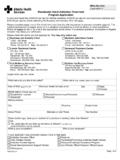
1 If it s on the list, it won t be missedFirst and Last Name Date of BirthGender Male FemalePersonal Health NumberAddressCityProvincePostal CodeEmergency Contact NamePhoneSecondary Emergency Contact NamePhoneFamily Doctor s NamePhonePharmacy NamePhoneSpecialist/Doctor s NamePhoneSpecialist/Doctor s NamePhoneBenefits/Medical Plan Name and # ( Alberta Blue Cross)Medical History Diabetes High blood pressure Heart conditions Breathing problems Other medical history: Allergies (The following is a list of medications I am allergic to, and what happens when I take them) No Medication allergies List.
2 19710(Rev2015-11) Adapted from It s Safe to Ask Medication Card Manitoba Institute for Patient Safety. 2014 Alberta Health ServicesMedication ListMedication List Once both pages are completed please print the document double sided, as this document only allows you to fill and print. How to use the Medication List (MedList) It s important to bring this MedList to all your healthcare visits.
3 Having all your medications listed in one place helps your doctor, pharmacist, and other healthcare providers take better care of you. This MedList helps you keep track of what you re taking to keep healthy, such as prescriptions, vitamins, over-the-counter medicine, herbs, and supplements. To get a MedList for your phone or computer visit If you need help filling out the MedList, ask your family, a friend, or a healthcare provider to help you. 1. Before filling in the list, gather all the Medication you take (such as pills, patches, inhalers, eye/ear/nose drops, creams, ointments, and samples the doctor gave you).
4 Be sure to include over-the-counter medicine, vitamins, minerals, herbal products, and recreational drugs (example: alcohol or marijuana). 2. Write down the following for each Medication : a. The name (example: Tylenol /acetaminophen). b. The dose or strength (example: 500 mg or 1000 Units). c. How much (example: 1 pill, 3 drops, or 2 puffs). d. How often and when (example: in the morning and/or evening. If it s not listed, write how often or when in Additional Information). e. Why you take it (example: for arthritis). f. Additional information, such as take it with or without food, or who prescribed it (example: family doctor, specialist, naturopath).
5 G. The date it was prescribed. Here s an example: Name of Medication Dose/ Strength How Much How Often and When Why I Take It Additional Information Date atorvastatin 20 mg 1 pill lower cholesterol Dr. Goodheart 09-Jan-2015 3. Keep this list handy at all times, such as in your Wallet or purse, so that you can share it with your healthcare provider when you have an appointment, test, or go to the hospital. Remember: Update the MedList when there s a change to your Medication , such as stopping it, changing the dose, or starting a new one.
6 Cross out the Medication when you stop taking it, and write the date you stopped taking it. Speak with your doctor or pharmacist if you have questions about the Medication you take. Afternoon Evening Bedtime As Needed Morning To find out more, visit all the medications you take, such as pills, patches, inhalers, eye/ear/nose drops, creams, ointments, and samples the doctor gave you. Be sure to include over-the-counter medicine, vitamins, minerals, herbal products, and recreational drugs (example: alcohol or marijuana). For your MedList to work, it s important to keep it up to date: use the date column to indicate when old medications were stopped and new ones added!
7 This list belongs to Created on Name of Medication (example: atorvastatin)Dose/Strength(20 mg)How Much(1 pill)Why I Take It(to lower cholesterol)Additional Information(Take with or without food; Prescribed by Dr. Goodheart)Date(started or stopped)MorningAfternoonEveningBedtimeAs NeededHow Often/When If it s on the list, it won t be missed19710 (Rev2015-11) Adapted from It s Safe to Ask Medication Card Manitoba Institute for Patient Safety.
8 2014 Alberta Health Services