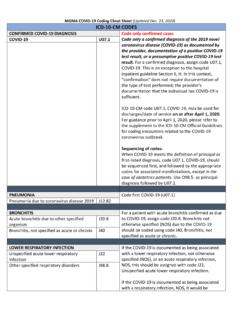
Transcription of MGMA DATADIVE PRACTICE OPERATIONS BENCHMARKING …
1 AUGUST 2020 BENCHMARKING FOR PATIENT ACCESS IN A POST-COVID-19 WORLD mgma DATADIVE PRACTICE OPERATIONSAN mgma DATA REPORTT able of Wait of Call Patient MGMAM edical Group Management Association ( mgma ) is the premier association for professionals who lead medical practices . Since 1926, through data, people, insights, and advocacy, mgma empowers medical group practices to innovate and create meaningful change in healthcare. With a membership of more than 58,000 medical PRACTICE administrators, executives, and leaders, mgma represents more than 12,500 organizations of all sizes, types, structures and specialties that deliver almost half of the healthcare in the United DATADIVE PRACTICE OPERATIONSE lements of this dataset quantify something very valuable that no other dataset can capture your patient and staff experience.
2 Fundamental metrics like the ones below dictate how patients and staff alike interact and perceive your PRACTICE . Casting light on these will help improve satisfaction rates all around, which will have positive impacts on revenue, outcomes and more. Hours of operation Appointment availability Wait times No-show rates Turnover Third-next-available mgma . All rights The road back to normal for medical practices during the COVID-19 pandemic has not been linear. Temporarily closing or relocating services created cancellations. Reopening and restoring visit volumes posed challenges in rescheduling, both for in-person visits and newly expanded telehealth weeks and months ahead remain uncertain, as providers grapple with how their local and state authorities work to combat COVID-19 and advance with reopening the economy and this period of uncertainty and anxiety, patients still need care.
3 A June 2020 survey found more than half of patients (57%) report having a medical condition requiring immediate attention. Winning patients trust when it comes to safety amid the pandemic is one of the keys to restoring visit volumes and avoiding deferred care, per a July 21 mgma Stat medical practices advance in their recovery, administrators and physician leaders must ensure they are progressing back to pre-COVID-19 levels of appointment availability and wait times to ensure that patients are able to receive needed care and have a positive 2020 mgma DATADIVE PRACTICE OPERATIONS report, based on 2019 data from more than 1,500 organizations.
4 Provides a baseline for BENCHMARKING OPERATIONS through 2020 as the healthcare industry navigates through recovery. This report details key performance indicators and best practices for optimizing patient access to sustain financial viability through the pandemic and attain top performance in the future. Some aspects of patient access will never be like the old normal, but these benchmarks represent a goal for all practices to aspire to in the new normal, no matter how far along you are on the road to DEEPER WITH DATADIVEW hile this report focuses on patient access, mgma DATADIVE PRACTICE OPERATIONS explores a wide array of important PRACTICE topics, with industry-leading BENCHMARKING data on: Increasing patient satisfaction Reducing staff burnout and turnover Increasing operational even more of what mgma DATADIVE PRACTICE OPERATIONS offers.
5 mgma . All rights half of all Americans said they or someone they live with has deferred medical care due to the COVID-19 outbreak, according to a Kaiser Family Foundation poll in May. While PRACTICE closures and limited operating schedules played some part in this, the current challenge for healthcare leaders is to eliminate bottlenecks for bringing those patients back for the care they timely clinic appointments helps drive growth and enhance your financial bottom line. No matter where your PRACTICE is in its recovery from the pandemic, BENCHMARKING for appointment availability, measured as the third-next-available (TNA) appointment, is a vital indicator of your access 2018 to 2019, practices improved TNA appointment times for established patients by one to two days.
6 For new patients , the wait was two to three days longer, except for nonsurgical practices , which experienced improved availability for both new and established (TNA) APPOINTMENT (IN DAYS) The availability of same-day appointments remained consistent across specialties for the same balancing your providers capacity with your patient panel, you create a valuable key performance indicator (KPI). The long-term health of a medical PRACTICE depends on contin-uously adding patients to mitigate the inevitable amount of patient attrition. As the COVID-19 pandemic has shown, new patient volumes have suffered in 2020:Another method for improving access performance is the use of a patient wait list for next-available appointments.
7 Depending on specialty, practices may want to consider the highest-priority issues and which patients may have potential for adverse outcomes from delays in care related to COVID-19 shutdowns in recent of practice20182019 New patientsEstablished patientsNew patientsEstablished patientsPrimary care 0 Surgical : 2020 mgma DATADIVE PRACTICE Operations20182019 Primary care specialties10%10%Nonsurgical specialties5%5%Surgical specialties4%5%PERCENT OF SAME-DAY APPOINTMENTSCOVID-19 RECOVERYV isit the mgma COVID-19 Recovery Center for the latest tools, content and insights for managing through the mgma . All rights care A NO-SHOW FEE?
8 Source: 2020 mgma DATADIVE PRACTICE OperationsLESS THAN 20%NO-SHOWSA vital part of restoring patient visit volumes and PRACTICE revenues is optimizing your schedule, but this has proven difficult for many practices either adapting to virtual visits or making the case to patients to return to the clinic for an in-person 2018 to 2019, the median patient no-show rate for medical practices increased by 2%, from 5% to 7%. The disruption of the COVID-19 pandemic further complicated scheduling, as practices were forced to postpone or reschedule countless appointments. The resulting unsold appointment slots translated directly into lower revenues: Medical practices reported a 55% decrease in revenue in primary difficulty in restoring those visits, according to a July 21 mgma Stat poll, is patients safety concerns.
9 Medical practices , given the trusted nature of physicians and nurses, have an outsized role in making the case to patients that PRACTICE facilities are safe and that coronavirus exposure risk has been mitigated. As market researcher Rob Klein, founder and CEO, Klein & Partners. notes, most patients want something action focused. patients get the drill, he said, emphasizing that messaging to them should be focused on: How to prepare for a visit and what to expect upon arrival How the PRACTICE is handling COVID-19 patients How social distancing is maintained in the facility How the facility is cleaned. Given the upheaval in scheduling and patients concerns with safety and personal finances, many practices may reconsider whether to charge a no-show fee.
10 Prior to COVID-19, less than 20% of single-specialty practices charged a no-show fee in ENGAGEMENT RESOURCES New patient appointments an ongoing struggle for practices amid COVID-19 ( mgma Stat) COVID-19 Recovery: Balancing safety and telehealth for improved volume, revenue ( mgma Consulting) Bringing patients back: What patients want and expect during and after COVID-19 ( mgma Insights) Empathetic access: The right attitude and less waiting are keys to bringing patients back amid COVID-19 ( mgma Insights) mgma . All rights of practice20182019 Wait areaExam roomWait areaExam roomPrimary care specialties1010149 Nonsurgical specialties1010119 Surgical specialties10101410 Source: 2020 mgma DATADIVE PRACTICE OperationsWAIT TIMES (IN MINUTES)WAIT TIMESP rior to the COVID-19 pandemic, median patient total wait times which include time spent in the wait area as well as in the exam room waiting to see a provider ranged from 20 to 25 minutes.