Transcription of MPSC Issue Brief - michigan.gov
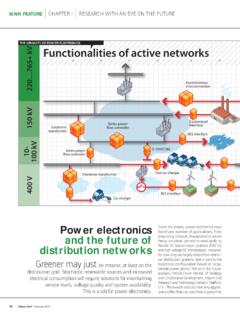
1 1. What is the electric distribution system? The electric distribution system consists of substations, transformers, wires, poles, and other electrical equipment that carries electricity from the high-voltage electric transmission system to end-use customers such as homes and businesses. The poles and wires located along many streets are part of the electric distribution system. Utilities in the state have nearly 2,000 substations and over 100,000 miles of distribution circuits that are monitored and maintained to deliver electricity to their customers. 2. Why is the electric distribution system important? Electricity is essential in modern society. Power outages, particularly those for prolonged periods of time, can cause significant economic and societal costs. Most power outages are caused by trees that fall on power lines or other issues with the electric distribution system due to damage from inclement weather or equipment failures.
2 Timely repair and maintenance of equipment as well as clearing of rights of way from trees can reduce how often and how long customers experience power outages. A significant portion of the electric distribution system infrastructure serving michigan residents has exceeded its expected useful life, which may increase the risk of equipment failure. In fact, a review of reliability data shows that equipment failures have been increasing in recent years, causing both reliability concerns for utility customers, and safety concerns for workers and the public. The MPSC has seen an increasing proportion of electric utility requests for rate increases driven by the need to replace aging infrastructure, and expects this to continue to increase into the future . michigan s two largest electric utilities, DTE Electric Company and Consumers Energy, invest approximately $900 million combined in electric distribution infrastructure annually.
3 3. Why is the MPSC requiring utilities to provide more information on electric distribution system planning? Given the level of investments being made in the electric distribution system, it is important for the MPSC and stakeholders to understand the longer-term investment strategies, as well as their costs, benefits, and other effects for customers. The MPSC expects that a longer term approach to identifying high-risk aging infrastructure and proactively addressing issues requiring replacement or corrective maintenance will lead to fewer power outages associated with equipment failure as well as improved safety. Such an approach will also provide greater opportunity to consider and integrate new utility-owned and customer-owned technologies into the planning process in an effort to address known system issues, increase efficiency, and eliminate energy waste.
4 Better understanding of the system needs and targeted areas for future investment can also help meet changing customer demands for electricity in a timely and efficient manner, thereby accommodating growing businesses and communities. 4. What did the MPSC require of electric utilities? In the most recent rate cases for Consumers Energy and DTE Electric Company, the MPSC required both companies to submit 5-year electric distribution plans that include: A detailed description of distribution system conditions, including age of equipment System goals and related reliability metrics Expected needs of customers using the distribution system Maintenance and upgrade plans Cost/benefit analyses Both DTE Electric and Consumers Energy have submitted draft distribution plans, and are required to submit final plans by January 31, 2018.
5 Electric distribution System Planning MPSC Issue Brief are the MPSC's overarching goals?The MPSC s objectives for the electric distribution system relate directly to its mission to ensure safe, reliable, and accessible energy at reasonable rates. Safety is the MPSC s top priority, and the MPSC expects the 5-year distribution plans to focus on this objective. The MPSC also expects the electric distribution system to be designed and operated in a manner that promotes both reliability and resiliency, embracing Governor Snyder s goals to reduce how often and how long customers experience outages. Identifying and prioritizing the cost-effectiveness of investments is essential to ensuring long-term affordability for customers. And, as technologies and customer preferences evolve, planning for the distribution system should promote accessibility by ensuring investments are made to accommodate growing areas of the state and optimizing the integration of customer and utility resources where possible.
6 Are the near and long term expectations for electric utility distribution plans?In the near term, the MPSC has required the utilities to provide information on the scope of work and investments needed to address aging infrastructure and assess the risks of that infrastructure, an identification of known safety concerns and work necessary to address those concerns, maintenance and investment strategies to address system resiliency, and company objectives and associated metrics to measure the effectiveness of near-term plans. Longer term, the MPSC believes a stakeholder-based distribution planning effort will provide the following benefits to customers: Enhanced safety of the electric distribution system Improved system reliability Increased system resiliency Innovative and cost-effective solutions to system issues Increased accessibility to meet the needs of new and existing customers, integrate emerging technologies, andenhance two-way communications with customers about system conditions and do the electric distribution plans entail and how will they be used?
7 These plans will provide transparency into the utilities processes to identify areas of need within their distribution systems and how those processes are used to determine spending plans outlined in utility rate cases. Having this information upfront will allow participants in utility rate cases, like customer advocates, the Attorney General, and MPSC Staff, to better understand current distribution system conditions and needs, and to assist in the analysis of the reasonableness and prudence of proposed utility spending on electric distribution infrastructure. have stakeholders been involved? What is the process?Stakeholders were provided the opportunity to comment on the content and direction of the draft distribution plans filed by the utilities in the summer of 2017. MPSC Staff will convene meetings of stakeholders in the future to develop future distribution plans as well.
8 Are the next steps?Both Consumers Energy and DTE Electric are required to file final 5-year distribution plans with the MPSC by January 31, 2018, which can be used by the MPSC, MPSC Staff, and other participants in future utility rate cases to analyze utility spending requests relative to their distribution systems. After the distribution plans are submitted, MPSC Staff will convene a meeting with stakeholders for the development of future distribution plans. MPSC Staff will a file a report with its findings by September 1, 2018. Electric utilities will be expected to file updated plans every two years. For more information, visit: Case No. U-17990 Consumers Energy Case No. U-18014 DTE Electric Company October 11.