Transcription of Nitrates/Nitrites Poisoning
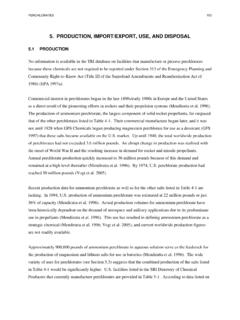
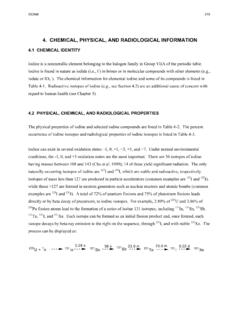
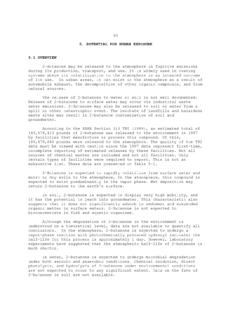
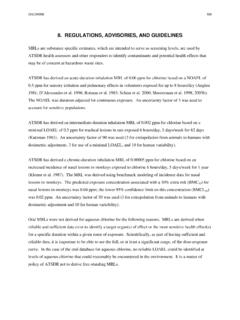
1 Nitrates/Nitrites Poisoning Patient Education Care Instruction Sheet Nitrates/ Nitrites Overview Nitrates and nitrites are composed of nitrogen and oxygen that occur naturally in the environment as part of the nitrogen cycle. Nitrogen is an important nutrient to plants and animals. Within soil and water , wastes from animals, humans, and fertilizer products are decomposed to form nitrates and nitrites. How Can People Be Exposed to Nitrates/ Nitrites? Exposure happens when substances enter the body. There are several ways exposure to nitrates and nitrites can occur: Drinking water The largest source of nitrates in water comes from nitrogen-based fertilizers that get into shallow drinking water wells that are typically in rural areas.
2 Other nitrates may get into water from animal wastes and poor working sewer systems. For infants who are bottle-fed, nitrate Poisoning can happen when nitrate contaminated drinking water is used to dilute formula. Diet There is an allowable daily intake set for nitrates in the diet. Meats and sausages preserved with nitrates and nitrites are sources of nitrate exposure. Vegetables and fruits are an important part of a healthy diet and most nitrates in the diet come from vegetables. The amount of nitrates in vegetables will differ by type of vegetable and how stored and prepared for meals. Cauliflower, spinach, collard greens, broccoli, and root vegetables have naturally greater nitrate content than other plant foods do.
3 Foodstuffs high in nitrates that are used in home prepared baby foods and soups have caused serious health effects in infants. Other Other sources of nitrate exposure include some medications including creams used for treating burns. How Can Nitrates/ Nitrites Affect Health? There are different forms of nitrates that behave differently once in the body. The inorganic nitrates found in contaminated well water are often overlooked as a source of nitrate exposure that can result in serious health effects in infants. Usually nitrates that enter the body by eating or drinking leave the body without harm. Sometimes, though, conditions such as diarrhea and dehydration (not enough fluids in the body) can make nitrates change to nitrites in greater amounts.
4 These nitrites in the blood cause changes in hemoglobin, or the molecules that help move oxygen in the body. Nitrates can make it so that less oxygen is available for the body to function properly. People who drink water from shallow rural domestic wells that are not tested for nitrate concentrations are at risk of exposure. Infants younger than 4 months of age are the highest risk group for harm from exposure to nitrates. When nitrate containing well water is mixed with baby formula and fed to infants, it can create serious health effects. Because the gastrointestinal system of infants is still developing after birth, they are at higher risk for serious health effects resulting from nitrate exposure.
5 Infants with diarrhea and vomiting form more nitrites inside the body that place them at higher risk for health effects with or without nitrate exposure. A pregnant woman and her fetus might be more sensitive to toxicity from nitrites or nitrates at or near the 30th week of pregnancy. Symptoms of nitrate/nitrite Poisoning include Bluish skin from a lack of oxygen (likely noticed around mouth/lips first). Difficulty breathing, Nausea, diarrhea, vomiting, Dehydration (from loss of bodily fluids) Fast pulse, dizziness, weakness, coma and/or convulsions. What Can Be Learned from Lab Tests? A number of different tests are available to evaluate health effects from overexposure to nitrates.
6 A screening test may include looking at the color of a few drops of blood placed on white filter paper. Other tests can measure how nitrates are affecting the body s ability to move oxygen to where it is needed most. This helps with plans for treatment. How Is Over-exposure to Nitrates/ Nitrites Treated There are treatments for nitrate and nitrite Poisoning . Methylene blue may be used to help make oxygen available to the body by reversing what nitrates have done to the molecules that carry oxygen in the body. How Can People Reduce the Risk of Exposure to Nitrates/ Nitrites? It is important to locate possible sources of nitrate exposure so that steps can be taken to reduce risk of overexposure.
7 Nitrates can have health benefits through the diet and are also made in the body to help with its proper functioning. However, too much nitrate and nitrite in the body can cause serious health effects, especially for infants and others more sensitive to effects of nitrate exposure. The following questions help identify sources of potential overexposure: What is the source of drinking water ? If it is from a well, how deep is it, where is it located, what is the type of well construction, and how often is it tested for bacteria and nitrates? Municipal water sources are required to be tested for Nitrates/Nitrites . Other water sources may need to be tested for contamination.
8 The local or state health department can give more information on private well water testing. Are there any agricultural or industrial activities close to the source of drinking- water ? Sometimes runoff water contaminated with nitrate containing fertilizers can get into drinking water sources. What type of sewer system is used (municipal or septic)? Knowing the type of system and the proximity to the drinking water source can focus efforts to locate potential sources of contamination. Has there been any recent flooding in the area? Flooding can carry animal and human wastes into shallow wells. What are the occupations and hobbies of family members?
9 For example, activities involving use of or exposure to nitrate based fertilizers. Is there a bottle-fed infant in the home? What is the type of formula, feeding regimen, and source of dilution water ? There have been reports of adverse health effects in infants fed formula mixed with nitrate contaminated well water . Actions you can take Have private wells used as a household water source tested for Nitrates/Nitrites . Contact your local or state health department for information on private well water testing and maintenance recommendations for your area. Use of bottled or other alternate purified drinking water source is recommended until test results available.
10 For Infants: Do not use untested private well water to dilute infant formula. Don t feed infants less than 4 months of age home-prepared infant food from vegetables. It is okay to feed infants commercially prepared infant foods. Breastfeeding should continue. For adults and children: Reduce the amount of cured and processed meats in diet. Eat a variety of colors and types of vegetables (4-5 servings/day) and fruits (4-5 servings/day). When to Call the Doctor Call the doctor or seek medical care for health changes, especially if you notice: Bluish skin (from a lack of oxygen) likely noticed around mouth/lips first Difficulty breathing Nausea, severe diarrhea, vomiting Dehydration (from loss of bodily fluids) Fast pulse, dizziness, weakness, changes in alertness, loss of consciousness and/or convulsions Clinical Follow-up Instructions Please see the checked the items below that require your attention.