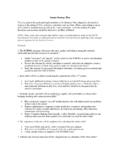
Transcription of Peel’s Growing Success
1 [Type text] Provincial Policy The Seven Fundamental Principles The primary purpose of assessment and evaluation is to improve student learning. To ensure that assessment, evaluation, and reporting are valid and reliable, and that they leadlearning for all students, teachers use practices and are fair, transparent, and equitable for all students; support all students, including those with special education needs, those who are learning the language of instruction (English or French), and those who are First Nation, M tis, or I are carefully planned to relate to the curriculum expectations and learning goals and, as much as possible, to the interests, learning styles and preferences, needs, and experiences of all students; are communicated clearly to students and parents atappropriate points throughout the school year or course.
2 Are ongoing, varied in nature, and administered over a period of time to provide multiplestudents to demonstrate the full range of their learning; provide ongoing descriptive feedback that is clear, specific, meaningful, and timely to support improved learning and achievement; develop students self-assessment skills to enable them to assess their own learning, set specific gnext steps for their learning. ( Growing Success Context We know that parents have an important role to play in supporting student learning. Studies show that students perform better in school if their parents or guardians are students and parents should be kept fully informed about the student s progress. It is essential that schools have procedures in place to ensure that parents are aware of the expectationplay a key role in developing these procedures, which should be designed to create the conditions for student Success by ensuring that parents have the information they need to interpret their child s repimprove their child s learning.)
3 ( Growing Success What exactly is Growing Success Growing Success is Ontario s assessment, evaluation and reporting policy2010. It impacts all assessment, evaluation and reporting practices and procedures in grades 1consolidates, updates and replaces previous government policy on assessment, evaluation and reportingPractice 2000). This First Edition of the document is expecKindergarten. The policy builds on previous ministry policy and updates it1998. How Long Did it Take to Develop the Policy? Consultations on the policy took about four years and involved inpstudents, principals, parents, superintendents, federations, faculties of education, government policy mconsultants and others. CISESS, Peel District School Board Peel s Growing SuccessParent MonographFrequently Asked Questions (FAQs) The primary purpose of assessment and evaluation is to improve student learning.
4 To ensure that assessment, evaluation, and reporting are valid and reliable, and that they leadlearning for all students, teachers use practices and procedures that: are fair, transparent, and equitable for all students; support all students, including those with special education needs, those who are learning the language of instruction (English or French), and those who are First Nation, M tis, or Inuit; are carefully planned to relate to the curriculum expectations and learning goals and, as much as possible, to the interests, learning styles and preferences, needs, and experiences of all students; are communicated clearly to students and parents at the beginning of the school year or course and at other appropriate points throughout the school year or course; are ongoing, varied in nature, and administered over a period of time to provide multiplerange of their learning; provide ongoing descriptive feedback that is clear, specific, meaningful, and timely to support improved learning assessment skills to enable them to assess their own learning, set specific gGrowing Success , p.
5 6.) We know that parents have an important role to play in supporting student learning. Studies show that students perform better in school if their parents or guardians are involved in their education. This is the basis for the principle that students and parents should be kept fully informed about the student s progress. It is essential that schools have procedures in place to ensure that parents are aware of the expectations for their child in the various grades. Principals play a key role in developing these procedures, which should be designed to create the conditions for student Success by ensuring that parents have the information they need to interpret their child s report card and to work with teachers to Growing Success , p. 8.) Growing Success ? is Ontario s assessment, evaluation and reporting policy document which became impacts all assessment, evaluation and reporting practices and procedures in grades 1-and replaces previous government policy on assessment, evaluation and reportingthe document is expected to be updated with a final versionious ministry policy and updates it with international/local research findings since How Long Did it Take to Develop the Policy?
6 Consultations on the policy took about four years and involved input from many stakeholder groups including teachers, students, principals, parents, superintendents, federations, faculties of education, government policy mFebruaryGrowing Success Monograph Series: Frequently Asked Questions (FAQs) To ensure that assessment, evaluation, and reporting are valid and reliable, and that they lead to the improvement of support all students, including those with special education needs, those who are learning the language of are carefully planned to relate to the curriculum expectations and learning goals and, as much as possible, to the the beginning of the school year or course and at other are ongoing, varied in nature, and administered over a period of time to provide multiple opportunities for provide ongoing descriptive feedback that is clear, specific, meaningful, and timely to support improved learning assessment skills to enable them to assess their own learning, set specific goals.
7 And plan We know that parents have an important role to play in supporting student learning. Studies show that students perform involved in their education. This is the basis for the principle that students and parents should be kept fully informed about the student s progress. It is essential that schools have s for their child in the various grades. Principals play a key role in developing these procedures, which should be designed to create the conditions for student Success by ort card and to work with teachers to document which became effective September -12. Growing Success and replaces previous government policy on assessment, evaluation and reporting (Policy to a final version which will address international/local research findings since ut from many stakeholder groups including teachers, students, principals, parents, superintendents, federations, faculties of education, government policy makers, February 2013 Page 2 Growing Success Parent FAQs Why Become Familiar with the Policy?)
8 When parents have a common and informed understanding of provincial policy, they have more productive and supportive conversations with teachers and principals. Parents understand the context/framework or rules wherein educators work to support all students in grades 1-12. In addition, they learn about the research on the impact of assessment for learning classroom practices on student achievement, which can effectively double the amount of student learning and raise achievement for all students, especially for students with the greatest needs. Parents come to understand that the thinking and practices behind Growing Success will help students participate in the kind of education that will help prepare them for the demands of the 21st century. How Do Assessment/Evaluation Practices Inspire Success , Confidence and Hope?
9 Since the primary purpose of assessment and evaluation is to improve student learning, practices like assessment for learning have an important role in building student confidence as well as in raising student achievement. When students experience some Success in learning, they are motivated to try harder, become more engaged in tasks and actively seek feedback for improvement. They come to believe in their eventual Success as learners and develop learning skills and work habits that will last a lifetime. This process builds student confidence because they see that they are becoming more effective as learners and are able to handle new and diverse challenges as they learn. In the assessment for learning framework, teachers ask themselves key questions in order to help all students to learn to their maximum capacity: Who are the learners?
10 (what are their needs, interests, profile as learners?) Where are learners now? Where do learners need to go next? How best to get there? As learning becomes more visible/transparent in the classroom, students eventually learn to ask themselves key questions like: Who am I as a learner? (what are my strengths, needs, interests, profile as a learner?) What am I going to learn? Where am I now (in relation to the learning goal)? How am I going to learn? Where to next? What Does Student Assessment/Evaluation Focus on Today? (for ) Closing the gap in student achievement for all students in the classroom (moral, economic imperatives) Students are not measured against each other but rather are measured against provincial standards (Content/Performance) Use of learning goals, Success criteria and descriptive feedback to make learning transparent, visible to all learners Role of peers as classroom resources, peer and self-assessment and personal goal setting Increased importance of developing learning skills and work habits and other 21st century skills as predictors of Success Student evidence of learning can come from multiple sources over time (observation, conversation, student product) Student involvement in the assessment process (student choice, voice and differentiation)