Transcription of Pharmacologic Restraint Management Worksheet Form
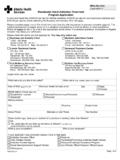
1 19676(Rev2019-03) Pharmacologic Restraint Management WorksheetDate (yyyy-Mon-dd) _____ o Initial Review o ReassessmentTarget behaviour: description, time, frequency, why is this behaviour a problem? What is the risk of harm? What is the goal?_____Family/Alternate Decision-maker: goals, possible underlying needs and care strategies:_____Supportive interventions attempted, and effectiveness_____Possible underlying reasons for target behaviouro Delirium and other medical conditions ( dehydration, blood sugar Management , nutrient deficiencies) _____o Unmet needs & patterns informed by behavior map, health record, staff: Physical ( lack of sleep, constipation, pain, elimination, hunger, thirst, too hot or cold), Psychosocial ( stress threshold, loneliness, depression, post-traumatic events), Environmental ( over/under stimulation, inconsistent routine), Staff ( approach, gender) _____o Medication review by pharmacist/prescriber ( possible side effects/interactions, PRN usage, anticholinergic effects)_____Interdisciplinary team recommendationso Assessment behaviour map _____o Additional supportive interventions _____o Further investigation consults, lab work _____o Medication changes _____o Other _____o Next review _____Reviewer Name (Last Name, First Name)SignatureReviewer Name (Last Name, First Name)
2 SignatureNext Steps, by whomo Side-effect monitoring _____ o Communicate with prescriber _____o Updates to care plan _____ o Communicate with staff, all shifts _____o Updates to family/alternate decision maker _____Physician or Nurse Practitioner NameSignatureDate (yyyy-Mon-dd)Side A19676(Rev2019-03) Follow-up Assessments Date (yyyy-Mon-dd)NotesAntipsychotics: appropriate for Antipsychotics: not appropriate to treat/may worsen Confirmed mental health diagnosis ( schizophrenia, delusional disorder, major depression, Psychiatrist involvement recommended for dosage adjustments). Distressing hallucinations and delusions (first assess for delirium, attempt non- Pharmacologic strategies) Behaviour that places self/others at risk of injury (Short term use may be appropriate while person-centred approaches are explored) Paces, appears upset/fearful, restless, wanders Sleep disturbance, sun downing Shouting, screaming, calling out, cursing Repetitive questions Social or sexual disinhibition spitting, masturbation Aggressive behaviour during personal care (consider distraction, approach/re-approach, offering choices) Protective of territory, hoardingMedications that may contribute to cognitive impairment, sedation, falls and/or responsive behavioursHighly anticholinergic* or sedating Anticonvulsants ( carbamazepine*, gabapentin) Antidepressants* ( tricyclics, paroxetine) Antiemetics/Antivertigo* ( dimenhydrinate) Antihistamines/antipruritics* ( diphenhydramine)
3 Medications for bladder control* ( oxybutynin) Antiparkinsonian medications* ( levodopa) Antipsychotics* ( quetiapine, risperidone, haloperidol) Antispasmotics* ( hyoscine) Muscle relaxants* ( cyclobenzaprine) Sedatives/Hypnotics ( zopiclone, benzodiazepines*) Opioids*Possible anticholinergic* Antibiotics* ( ampicillin, gentamicin) Cholinesterase inhibitors ( donepezil) Cardiovascular agents* and diuretics ( digoxin, diltiazem, furosemide, metoprolol) Lithium*, Steroids*, NSAIDS, Warfarin Statins ( muscle & nerve pain)Consider additive effects of multiple medications with high and/or low anticholinergic burden. Consider possible side effects of all prescribed medications, and impact on appetite/nutrition. See Antipsychotic Side Effects - Notify prescriber if you seeNon-Movement Side EffectsConfusion, disorientation, new or increased agitation, insomnia, hallucinations, constipation, difficulty urinating, loss of appetite or dehydration, sedation or lethargy, decreased social contact, blurred vision, change in blood pressure or weightMovement-type Side EffectsMotor restlessness (akathisia), muscle stiffness, spasm of neck, back or face (dystonic reaction), movement of mouth, tongue, jaw, face (tardive dyskinesia), tremors, slow movements, shuffling, stooped posture (pseudopar-kinsonism) weakness, drooling or spitting, difficulty swallowing, change in mobility, fallsSide B