Transcription of QUALITY-ASSURED HACCP RECIPE PROCEDURES
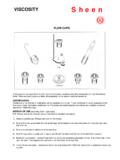
1 Web:Documents2011 / C:000lh2: HACCP plans: sushi-2011-Nov-QARP-flow- HACCP -web rev 11/11/11 print 11/17/2011 3:52 PM 1 QUALITY-ASSURED HACCP RECIPE PROCEDURES Copyright 2000, rev. November 2011 Snyder, Hospitality Institute of Technology and Management, St. Paul, MN RECIPE Name: Sushi Rice Portion size (vol.): Number of casings: RECIPE #: Number of portions: Preparation time: Production style: Final yield (AS): To be prepared by: Final Yield: Supervisor: Written by: Date:2/99 SA/QA by: P. Snyder Date:3/99 Gp. # Ingred. # Ingredients and Specifications Weight % Weight I 1 2 Rice, short grain 3 1/2 cups Water, 4 cups g. g. oz. oz. II 2 3 4 Rice vinegar*, 5 tablespoons plus 1 teaspoon Sugar, 5 tablespoons Salt, 4 teaspoons g.
2 G. g. oz. oz. oz. Total weight g. oz. * Nakano Rice Vinegar ( acetic acid) Pre-preparation 1. Assemble all ingredients and equipment. 2. Wash rice in colander until water runs clear. Drain thoroughly. (If enriched rice is used, do not wash the rice because washing removes enrichment B-vitamin and mineral mixture.) Remove physical hazards. Preparation 3. Place drained rice in pan or rice cooker. Add water. Cover container with close fitting lid and bring the water containing the rice to boil (212F). 4. Reduce heat to a simmering temperature (>190F) and continue to cook for 15 to 20 minutes until all the water has been absorbed. The rice is now pasteurized, and all vegetative pathogens are reduced to a safe level.
3 Spores survive. 5. While the rice is cooking, combine the vinegar, sugar and salt in a small stainless steel bowl or pan. Heat the mixture until the sugar has dissolved (150F), stirring constantly. Remove from heat. Set aside. 6. Remove the rice from the stove. Empty the rice into a stainless steel or plastic pan, <2 1/2 inches thick, and spread the rice evenly over the bottom with a stainless steel spoon. CCP Run a spatula through the rice (~80F) using right and left slicing motions to separate the grains. At the same time, slowly add the vinegar mixture (~80F). Let cool at room temperature. (As an alternative, the rice can be spread on a stainless steel pan and cooled to 80F in about 30 minutes.) 7. Check the pH of the rice mixture.
4 The pH must be or less to prevent the growth of Bacillus cereus. The rice does not need to be refrigerated, because it is at a safe pH and is no longer a potentially hazardous food. Keep it covered to prevent drying. Sushi quality lasts just one day. It should not be used as a leftover for quality reasons. web:Documents2011 / C:000lh2: HACCP plans: sushi-2011-Nov-QARP-flow- HACCP -web rev 11/11/11 print 11/17/2011 3:52 PM 2 SUSHI RICE INGREDIENT LIST AND FLOW DIAGRAM Ingredients Rice, short grain Water Rice vinegar Sugar Salt Pre-preparation 1. Assemble all ingredients and equipment. 2. Wash rice in colander until water runs clear. Drain thoroughly. (If enriched rice is used, do not wash the rice because washing removes enrichment B-vitamin and mineral mixture.)
5 Remove physical hazards. Preparation 3. Place drained rice in pan or rice cooker. Add water. Cover container with close fitting lid and bring the water containing the rice to boil (212F). 4. Reduce heat to a simmering temperature (>190F) and continue to cook for 15 to 20 minutes until all the water has been absorbed. The rice is now pasteurized, and all vegetative pathogens are reduced to a safe level. Spores survive. 5. While the rice is cooking, combine the vinegar, sugar and salt in a small stainless steel bowl or pan. Heat the mixture until the sugar has dissolved (150F), stirring constantly. Remove from heat. Set aside. 6. Remove the rice from the stove. Empty the rice into a stainless steel or plastic pan, <2 1/2 inches thick, and spread the rice evenly over the bottom with a stainless steel spoon.
6 CCP Run a spatula through the rice (~80F) using right and left slicing motions to separate the grains. At the same time, slowly add the vinegar mixture (~80F). Let cool at room temperature. (As an alternative, the rice can be spread on a stainless steel pan and cooled to 80F in about 30 minutes.) 7. Check the pH of the rice mixture. The pH must be or less to prevent the growth of Bacillus cereus. The rice does not need to be refrigerated, because it is at a safe pH and is no longer a potentially hazardous food. Keep it covered to prevent drying. Sushi quality lasts just one day. It should not be used as a leftover for quality reasons. web:Documents2011 / C:000lh2: HACCP plans: sushi-2011-Nov-QARP-flow- HACCP -web rev 11/11/11 print 11/17/2011 3:52 PM 3 SUSHI RICE HACCP PLAN Process Step(s) and Controls: GMPs and prerequisites are in place B,C,P Potential Hazards & Risk Analysis Control(s) Critical Limit (CL) for Each Hazard Control Monitoring & Record (What, How, Frequency, Who) Corrective Action & Record Verification & Record ( PROCEDURES and Frequency) 1.
7 Assemble all ingredients and equipment. B No significant risk C No significant risk P No significant risk 2. Wash rice in colander until water runs clear. Drain thoroughly. (If enriched rice is used, do not wash the rice because washing removes enrichment B-vitamin and mineral mixture.) Remove physical hazards. B No significant risk C No significant risk P No significant risk 3. Place drained rice in pan or rice cooker. Add water. Cover container with close fitting lid and bring the water containing the rice to boil (212F). B No significant risk C No significant risk P No significant risk 4. Reduce heat to a simmering temperature (>190F) and continue to cook for 15 to 20 minutes until all the water has been absorbed.
8 The rice is now pasteurized, and all vegetative pathogens are reduced to a safe level. Spores survive. B No significant risk C No significant risk P No significant risk 5. While the rice is cooking, combine the vinegar, sugar and salt in a small stainless steel bowl or pan. Heat the mixture until the sugar has dissolved (150F), stirring constantly. Remove from heat. Set aside. B No significant risk C No significant risk P No significant risk 6. Remove the rice from the stove. Empty the rice into a stainless steel or plastic pan, <2 1/2 inches thick, and spread the rice evenly over the bottom with a stainless steel spoon. CCP Run a spatula through the rice (~80F) using right and left slicing motions to separate the grains.
9 At the same time, slowly add the vinegar mixture (~80F). Let cool at room temperature. (As an alternative, the rice can be spread on a stainless steel pan and cooled to 80F in about 30 minutes.) B Yes. Spores of Bacillus cereus. C None. P None. A pH of is necessary for control of Bacillus cereus. Use a calibrated pH meter. Record pH on production log. C. None. P. None. Verify pH using a calibrated pH meter once a day. If the pH is not , add more vinegar or throw out the rice. Supervisor observes procedure. The restaurant manager will review the record weekly. 7. Check the pH of the rice mixture. The pH must be or less to prevent the growth of Bacillus cereus. The rice does not need to be refrigerated, because it is at a safe pH and is no longer a potentially hazardous food.
10 Keep it covered to prevent drying. Sushi quality lasts just one day. It should not be used as a leftover for quality reasons. B No significant risk C No significant risk P No significant risk