Transcription of RECOMMENDATIONS FOR DOAC TO INTRAVENOUS …
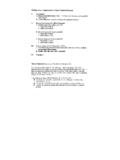
1 UW Medicine AnticoagulationServicesMarch 2021 RECOMMENDATIONS FOR DOAC TO INTRAVENOUS HEPARINTRANSITIONThis algorithm is intended as a general guideline, not a protocol, for transitioning patients taking DOACs (direct oral anticoagulants) to IV heparin . These RECOMMENDATIONS should not replace clinical judgement along with individual assessments of bleeding/thrombotic risks. SEE PAGES 2-3 FOR Nurse-Managed Anti-Xa HeparinInfusionNO BOLUSat next dosingintervalConsult HEMATOLOGYif concerns of residual dabigatraneffectConfirmed Recent Use of Factor XaInhibitor:APIXABAN, RIVAROXABAN, orEDOXABANC onfirmed Recent UseofDABIGATRANC heck baseline Factor Xa Inhibitor/HIXA level*at next dosingintervalBaseline*Apixaban 20,Rivaroxaban 25,or HIXA Nurse-ManagedAnti-Xa HeparinInfusionNOBOLUSI nitiate Provider-Managed**PTT HeparinInfusionNOBOLUSCAUTION if Apixaban>200, Rivaroxaban>200, or HIXA> *Monitor Factor XaInhibitor/HIXA levels* at leastdaily(consider every 6-12 hr levels for critically illpatients)When Apixaban 20, Rivaroxaban 25, or HIXA Check STAT HIXA (if monitoring apixabanor rivaroxaban levels) and switch to Nurse-ManagedAnti-Xa heparin InfusionNOBOLUSIf HIXA : order current heparindoseIf HIXA <.
2 Consider increasing currentdoseby 1-4 units/kg/hr*HMC and UWMC-NWuse HIXA levelsHIXA = heparin anti-Xalevel (units/mL) *UWMC-MLuse levels below:Anti-Xafor apixaban level(ng/mL)Anti-Xafor rivaroxaban level(ng/mL)For patients on edoxaban, use HIXAA ssess bleeding and thrombosis riskGreater Bleeding RiskGreater Thrombosis RiskHold heparin and monitor Factor Xa Inhibitor/HIXA levels*levels daily (consider 6-12 hr levels for critically ill patients)When Apixaban 20, Rivaroxaban 25, or HIXA ,start Nurse-ManagedAnti-Xa HeparinInfusionNOBOLUS Recent = within 72 hoursBaseline*Apixaban>20,Rivaroxaban>25 ,or HIXA> **UWMC-NW uses Nurse-Managed PTT Protocol in addition to an Anti-XaProtocolAnticipate 24-72 hrsof PTT monitoring based on factor Xainhibitor clearance timeRECOMMENDATIONS FOR DOAC TO INTRAVENOUS heparin TRANSITION PAGE 2 of 3 Disclaimer.
3 This document and its RECOMMENDATIONS are only intended as a guideline and should not replace clinical judgment along with individual patient assessments of bleeding and thrombotic risks. 1. DETERMINE Anticoagulant Use History a. Patients with confirmed recent (within 72 hours) use of dabigatran (direct thrombin inhibitor) should be initiated on the Nurse-Managed Anti-Xa heparin infusion (no boluses) i. Consult Hematology if concern for residual dabigatran effect, , patients with acute renal failure ii. If needed, presence of dabigatran effects may be detected with a rapid direct oral anticoagulant (DOAC) screen b. Patients taking apixaban or rivaroxaban should be ordered a factor Xa inhibitor specific level or heparin anti-Xa level (HIXA) at the time of the next dosing interval and at least daily thereafter (consider every 6-12 hour levels for critically ill patients) i.
4 UWMC-ML uses factor Xa inhibitor-specific levels; HMC and UWMC-NW use HIXA levels ii. Patients previously on apixaban, order levels 12 hours after the last dose and at least daily thereafter iii. Patients previously on rivaroxaban, order levels 24 hours after the last dose and at least daily thereafter c. Patients taking edoxaban should be ordered a HIXA level 24 hours after last dose and at least daily thereafter i. Edoxaban specific level not available d. Patients taking prophylactic doses of an oral factor Xa inhibitor or if significant time has passed since the last therapeutic dose, consider checking a baseline HIXA level first prior to initiating heparin i. If HIXA level < units/mL, use the Nurse-Managed Anti-Xa heparin infusion based on indication 2.
5 CHOOSE Which heparin Protocol to Initiate a. General notes: i. heparin should be initiated no earlier than at the time of the next dosing interval of the factor Xa inhibitor ii. An exception may be in cases of oral factor Xa inhibitor treatment failure, , new, objectively confirmed venous thromboembolism where heparin may need to be started without delay and regardless of the last factor Xa inhibitor dose iii. May consider delaying heparin initiation if the apixaban or rivaroxaban levels are elevated, , >200 ng/mL or if HIXA > units/mL* in order to avoid duplicate anticoagulant therapy 1. Note: there may be instances where heparin is indicated irrespective of the drug level b. If baseline apixaban level 20 ng/mL, rivaroxaban 25 ng/mL, or HIXA units/mL*, initiate Nurse-Managed Anti-Xa heparin infusion (no boluses) c.
6 If baseline apixaban level >20 ng/mL, rivaroxaban >25 ng/mL, or HIXA > units/mL*, evaluate bleeding vs. thrombosis risk i. If greater bleeding risk, hold heparin and monitor daily levels (consider every 6-12 hr levels for critically ill pts.) 1. When apixaban 20 ng/mL, rivaroxaban 25 ng/mL, or HIXA units/mL*, initiate Nurse-Managed Anti-Xa heparin infusion (no boluses) ii. If greater thrombosis risk, initiate Provider-Managed PTT heparin infusion 1. This is NOT a nurse managed protocol at UWMC-ML or HMC; however, UWMC-NW has a nurse managed PTT protocol. 3. USE the Provider-Managed PTT heparin infusion a. Initiation: i. Provider-Managed PTT heparin infusion includes a STAT baseline PTT 1. Do not wait for results of the baseline PTT prior to initiating heparin unless suspicion for factor Xa inhibitor toxicity ( , in the setting of overdose, acute renal failure, acute liver failure) or if the patient has an unusually high risk of bleeding 2.
7 If baseline PTT is elevated, it may indicate the presence of underlying coagulopathy or excessive factor Xa inhibitor effects; recommend consulting Hematology in these situations b. Ordering: i. Order Provider-Managed PTT heparin infusion 1. Do not order an initial heparin bolus 2. Specify initial heparin rate a. Acute thrombosis: 18 units/kg/hr b. Atrial fibrillation, valve replacement, or bridging: 15 units/kg/hr c. Mechanical circulatory support: 15 units/kg/hr i. Concurrent Impella heparin purge solution: 5 units/kg/hr d. Acute coronary syndrome or acute ischemic stroke: 12 units/kg/hr RECOMMENDATIONS FOR DOAC TO INTRAVENOUS heparin TRANSITION PAGE 3 of 3 UW Medicine Anticoagulation Services March 2021 3. Specify PTT goal a. Regular intensity: 60-100 seconds b.
8 Low intensity: 60-80 seconds c. Adjusting: i. Providers are responsible for making dose adjustments 1. It is recommended to monitor factor Xa inhibitor/HIXA* levels at least daily a. Anticipate 24-72 hours of PTT monitoring based on factor Xa inhibitor clearance time b. Note: may consider every 6-12 hour levels for critically ill patients ii. Algorithm available on UW Medicine Anticoagulation Services Website Monitoring heparin With PTT Levels d. Switching to Nurse-Managed Anti-Xa Monitored heparin Protocol: i. Patients should be switched to the Nurse-Managed Anti-Xa heparin infusion based on indication when the apixaban or rivaroxaban level is near undetectable (<20 ng/mL or <25 ng/mL, respectively) or when HIXA level < units/mL* 1. Algorithm available on UW Medicine Anticoagulation Services Website heparin infusion Algorithms ii.
9 Check STAT HIXA level (add-on laboratory test if a PTT was drawn within the last 6 hours) iii. Specify initial heparin dose in the new order 1. If the HIXA level is within units/mL: order current heparin dose 2. If the HIXA level is < units/mL: consider increasing current heparin dose by 1-4 units/kg/hr 3. Note: no bolus is required * UWMC-ML uses factor Xa inhibitor-specific levels; HMC and UWMC-NW use HIXA levels Abbreviation: DOAC = Direct Oral Anticoagulant. HIXA = UW Medicine lab code for heparin infusion anti-Xa, also known as heparin -calibrated anti-Xa or anti-Xa for heparin . PTT = Partial Thromboplastin Time