Transcription of SAFETY DATA SHEET - Airgas
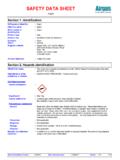
1 Ethylene Oxideoxirane; Oxirane (ethylene oxide); 1,2-Epoxy ethane; Dimethylene oxide; epoxyethane;Ethylene oxide (I,T); Oxirane (I,T); ETHYLENE OXIDE--NLFG; Ethylene oxide (ISO);Anproline; AmproleneLiquefied gasSAFETY DATA SHEETGHS product identifierOther means of identificationProduct typeSection 1. Identification:::Chemical name:ethylene oxideSupplier's details:Ethylene OxideProduct use:Synthetic/Analytical :oxirane; Oxirane (ethylene oxide); 1,2-Epoxy ethane; Dimethylene oxide; epoxyethane;Ethylene oxide (I,T); Oxirane (I,T); ETHYLENE OXIDE--NLFG; Ethylene oxide (ISO);Anproline; AmproleneSDS #:001081 Airgas USA, LLC and its affiliates259 North Radnor-Chester RoadSuite 100 Radnor, PA 19087-52831-610-687-52531-866-734-3438:2 4-hour telephoneSection 2. Hazards identificationFLAMMABLE GASES - Category 1 GASES UNDER PRESSURE - Liquefied gasACUTE TOXICITY (inhalation) - Category 3 SKIN IRRITATION - Category 2 EYE IRRITATION - Category 2 AGERM CELL MUTAGENICITY - Category 1 CARCINOGENICITY - Category 1 SPECIFIC TARGET ORGAN TOXICITY (SINGLE EXPOSURE) (Respiratory tract irritation) - Category 3 Classification of the substance or mixture:Signal word:DangerHazard statements:Extremely flammable form explosive mixtures with gas under pressure; may explode if cause if serious eye skin cause genetic cause cause respiratory pictograms:Precautionary statementsGHS label elementsGeneral:OSHA/HCS status:This material is considered hazardous by the OSHA Hazard Communication Standard (29 CFR ).
2 May cause form explosive mixtures with of issue/Date of revision:11/15/2020 Date of previous issue:9/12/2017 OxideSection 2. Hazards identificationPrevention:Obtain special instructions before use. Wear protective gloves. Wear protective clothing. Wear eye or face protection. Keep away from heat, hot surfaces, sparks, open flames and other ignition sources. No smoking. Use only outdoors or in a well-ventilated area. Avoid breathing gas. Wash thoroughly after :Leaking gas fire : Do not extinguish, unless leak can be stopped safely. In case of leakage, eliminate all ignition sources. IF exposed or concerned: Get medical advice or attention. IF INHALED: Remove person to fresh air and keep comfortable for a POISON CENTER or doctor. Take off contaminated clothing and wash it before reuse. IF IN EYES: Rinse cautiously with water for several minutes. Remove contact lenses, if present and easy to do. Continue rinsing. If eye irritation persists: Get medical advice or :Store locked up.
3 Store in a well-ventilated place. Keep container tightly closed. Protect from :Dispose of contents and container in accordance with all local, regional, national and international not otherwise classified:Read and follow all SAFETY Data Sheets (SDS S) before use. Read label before out of reach of children. If medical advice is needed, have product container or label at hand. Close valve after each use and when empty. Use equipment rated for cylinder pressure. Do not open valve until connected to equipment prepared for a back flow preventative device in the piping. Use only equipment of compatible materials of construction. Always keep container in upright position. Approach suspected leak area with can cause burns similar to 3. Composition/information on ingredientsethylene oxide10075-21-8 Ingredient nameCAS number%There are no additional ingredients present which, within the current knowledge of the supplier and in the concentrations applicable, are classified as hazardous to health or the environment and hence require reporting in this name:ethylene oxideOther means of identification:oxirane; Oxirane (ethylene oxide); 1,2-Epoxy ethane; Dimethylene oxide; epoxyethane;Ethylene oxide (I,T); Oxirane (I,T); ETHYLENE OXIDE--NLFG; Ethylene oxide (ISO);Anproline; AmproleneCAS number:75-21-8 Substance/mixtureCAS number/other identifiers:Occupational exposure limits, if available, are listed in Section concentration shown as a range is to protect confidentiality or is due to batch code:001081 Immediately flush eyes with plenty of water, occasionally lifting the upper and lower eyelids.
4 Check for and remove any contact lenses. Continue to rinse for at least 10 minutes. Get medical victim to fresh air and keep at rest in a position comfortable for breathing. If it is suspected that fumes are still present, the rescuer should wear an appropriate mask or self-contained breathing apparatus. If not breathing, if breathing is irregular or if respiratory arrest occurs, provide artificial respiration or oxygen by trained personnel. It may be dangerous to the person providing aid to give mouth-to-mouth medical attention. If necessary, call a poison center or physician. If unconscious,place in recovery position and get medical attention immediately. Maintain an open airway. Loosen tight clothing such as a collar, tie, belt or 4. First aid measuresEye contactInhalation::Description of necessary first aid measuresDate of issue/Date of revision:11/15/2020 Date of previous issue:9/12/2017 OxideSection 4. First aid measuresRemove victim to fresh air and keep at rest in a position comfortable for breathing.
5 Get medical attention. Ingestion of liquid can cause burns similar to frostbite. If frostbite occurs, get medical attention. Never give anything by mouth to an unconscious unconscious, place in recovery position and get medical attention an open airway. Loosen tight clothing such as a collar, tie, belt or this product rapidly becomes a gas when released, refer to the inhalation contaminated skin with plenty of water. Remove contaminated clothing and shoes. To avoid the risk of static discharges and gas ignition, soak contaminated clothing thoroughly with water before removing it. Continue to rinse for at least 10 minutes. Get medical attention. In case of contact with liquid, warm frozen tissues slowly with lukewarm water and get medical attention. Do not rub affected area. Wash clothing before reuse. Clean shoes thoroughly before contactIngestion::Protection of first-aiders:No action shall be taken involving any personal risk or without suitable training.
6 If it is suspected that fumes are still present, the rescuer should wear an appropriate mask or self-contained breathing apparatus. It may be dangerous to the person providing aid to give mouth-to-mouth resuscitation. Wash contaminated clothing thoroughly with water before removing it, or wear to physician:Treat symptomatically. Contact poison treatment specialist immediately if large quantities have been ingested or treatments:No specific important symptoms/effects, acute and delayedInhalation:Toxic if inhaled. May cause respiratory of liquid can cause burns similar to frostbite.:IngestionSkin contact:Causes skin irritation. Dermal contact with rapidly evaporating liquid could result in freezing of the tissues or serious eye irritation. Liquid can cause burns similar to frostbite.:Eye contactOver-exposure signs/symptomsSkin contactIngestionInhalationAdverse symptoms may include the following:, respiratory tract irritation, coughingAdverse symptoms may include the following:, frostbiteAdverse symptoms may include the following:, irritation, redness, frostbite:::Eye contact:Adverse symptoms may include the following:, pain or irritation, watering, redness,frostbitePotential acute health effectsSee toxicological information (Section 11)Indication of immediate medical attention and special treatment needed, if necessaryFrostbite:Try to warm up the frozen tissues and seek medical 5.
7 fire -fighting measuresHazardous thermal decomposition productsSpecific hazards arising from the chemicalDecomposition products may include the following materials: carbon dioxidecarbon monoxideContains gas under pressure. Extremely flammable gas. In a fire or if heated, a pressure increase will occur and the container may burst, with the risk of a subsequent explosion. The vapor/gas is heavier than air and will spread along the ground. Gas may accumulate in low or confined areas or travel a considerable distance to a source of ignition and flash back, causing fire or an extinguishing agent suitable for the surrounding media::None extinguishing media:Unsuitable extinguishing media:Date of issue/Date of revision:11/15/2020 Date of previous issue:9/12/2017 OxideSection 5. fire -fighting measuresPromptly isolate the scene by removing all persons from the vicinity of the incident if there is a fire . No action shall be taken involving any personal risk or without suitable training.
8 Contact supplier immediately for specialist advice. Move containers from fire area if this can be done without risk. Use water spray to keep fire -exposed containers cool. If involved in fire , shut off flow immediately if it can be done without risk. If this is impossible, withdraw from area and allow fire to burn. Fight fire from protected location or maximum possible distance. Eliminate all ignition sources if safe to do should wear appropriate protective equipment and self-contained breathing apparatus (SCBA) with a full face-piece operated in positive pressure mode. For incidents involving large quantities, thermally insulated undergarments and thick textile or leather gloves should be protective equipment for fire -fighters:Special protective actions for fire -fighters:Section 6. Accidental release measuresEnvironmental precautionsPersonal precautions, protective equipment and emergency proceduresImmediately contact emergency personnel. Stop leak if without risk.
9 Use spark-proof tools and explosion-proof equipment. Note: see Section 1 for emergency contact information and Section 13 for waste disposal.::Accidental releases pose a serious fire or explosion hazard. No action shall be taken involving any personal risk or without suitable training. Evacuate surrounding unnecessary and unprotected personnel from entering. Do not touch or walk through spilled material. Shut off all ignition sources. No flares, smoking or flames in hazard area. Do not breathe gas. Provide adequate ventilation. Wear appropriate respirator when ventilation is inadequate. Put on appropriate personal protective emergency procedures to deal with accidental gas releases are in place to avoid contamination of the environment. Avoid dispersal of spilled material and runoff and contact with soil, waterways, drains and sewers. Inform the relevant authorities if the product has caused environmental pollution (sewers, waterways, soil or air).
10 Large spill:Immediately contact emergency personnel. Stop leak if without risk. Use spark-proof tools and explosion-proof spill:Methods and materials for containment and cleaning upFor non-emergency personnelFor emergency responders:If specialized clothing is required to deal with the spillage, take note of any information in Section 8 on suitable and unsuitable materials. See also the information in "For non-emergency personnel".Section 7. Handling and storageAdvice on general occupational hygieneEating, drinking and smoking should be prohibited in areas where this material is handled, stored and processed. Workers should wash hands and face before eating,drinking and smoking. Remove contaminated clothing and protective equipment before entering eating areas. See also Section 8 for additional information on hygiene measures.:Protective measuresPut on appropriate personal protective equipment (see Section 8). Contains gas under pressure. Do not get in eyes or on skin or clothing.