Transcription of SAFETY DATA SHEET - CRC Industries
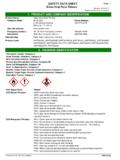
1 SAFETY data SHEET1. IdentificationIce-Off Windshield Spray De-IcerProduct identifierOther means of identification75346 (Item# 1006379)Product codeMelt ice on windshieldsRecommended useNone restrictionsManufacturer/Importer/Suppli er/Distributor informationManufactured or sold by:CRC Canada Lorimar nameWebsiteTelephone905-670-2291 Emergency phone number24-Hour Emergency800-424-9300 (Canada)(CHEMTREC)703-527-3887 Ontario L5S 1R22. Hazard(s) identificationCategory 1 Flammable aerosolsPhysical hazardsCompressed gasGases under pressureCategory 1 Physical hazards not otherwise classifiedCategory 3 Acute toxicity, oralHealth hazardsCategory 3 Acute toxicity, dermalCategory 3 Acute toxicity, inhalationCategory 2 Reproductive toxicity (fertility)Category 1 (central nervous system, eyes)Specific target organ toxicity, single exposure(oral)Not hazardsLabel elementsSignal wordDangerHazard statementExtremely flammable aerosol.
2 Contains gas under pressure; may explode if heated. Staticaccumulating flammable liquid can become electrostatically charged even in bonded andgrounded equipment. Sparks may ignite liquid and vapor. May cause flash fire or explosion. Toxicif swallowed. Toxic in contact with skin. Toxic if inhaled. Suspected of damaging fertility. Causesdamage to organs (central nervous system, eyes) by statementPreventionObtain special instructions before use. Do not handle until all SAFETY precautions have been readand understood. Keep away from heat, hot surfaces, sparks, open flames and other ignitionsources. No smoking. Do not spray on an open flame or other ignition source. Ground and bondcontainer and receiving equipment.
3 These alone may be insufficient to remove static not pierce or burn, even after use. Do not breathe mist or vapor. Use only outdoors or in awell-ventilated area. Wash thoroughly after handling. Do not eat, drink or smoke when using thisproduct. Wear protective gloves/protective clothing/eye protection/face / 9 Material name: Ice-Off Windshield Spray De-Icer75346 (Item# 1006379) Version #: 01 Issue date: 06-30-2017 SDS CANADAR esponseIF SWALLOWED: Immediately call a POISON CENTER/doctor. Rinse mouth. IF ON SKIN: Washwith plenty of water. Call a POISON CENTER/doctor if you feel unwell. Take off immediately allcontaminated clothing and wash it before reuse. IF INHALED: Remove person to fresh air andkeep comfortable for breathing.
4 Call a POISON CENTER/doctor. In case of leakage, eliminate allignition container tightly closed. Store locked up. Protect from sunlight. Store in a well-ventilatedplace. Do not expose to temperatures exceeding 50 C/122 of contents/container in accordance with local/regional/national/international hazardsNone Composition/information on ingredientsMixturesCAS number%Chemical nameCommon name and synonyms67-56-1methanol80 - 100124-38-9carbon dioxide3 - 77732-18-5water3 - 7 The exact percentage (concentration) of composition has been withheld as a trade concentrations are in percent by weight unless ingredient is a gas. Gas concentrations are in percent by First-aid measuresRemove victim to fresh air and keep at rest in a position comfortable for breathing.
5 Oxygen orartificial respiration if needed. Do not use mouth-to-mouth method if victim inhaled the artificial respiration with the aid of a pocket mask equipped with a one-way valve or otherproper respiratory medical device. Call a POISON CENTER or off immediately all contaminated clothing. Wash off with soap and water. Get medicaladvice/attention if you feel unwell. Wash contaminated clothing before contactImmediately flush eyes with plenty of water for at least 15 minutes. Remove contact lenses, ifpresent and easy to do. Continue rinsing. Get medical attention if irritation develops and contactCall a physician or poison control center immediately. Rinse mouth. Do not induce vomiting withoutadvice from poison control center.
6 If vomiting occurs, keep head low so that stomach contentdoesn't get into the lungs. Do not use mouth-to-mouth method if victim ingested the artificial respiration with the aid of a pocket mask equipped with a one-way valve or otherproper respiratory medical Headache. Dizziness. Nausea, vomiting. Behavioral changes. Decrease in importantsymptoms/effects, acute anddelayedProvide general supportive measures and treat symptomatically. Keep victim warm. Keep victimunder observation. Symptoms may be of immediatemedical attention and specialtreatment neededTake off immediately all contaminated clothing. IF exposed or concerned: Get medicaladvice/attention. Ensure that medical personnel are aware of the material(s) involved, and takeprecautions to protect themselves.
7 Show this SAFETY data SHEET to the doctor in information5. Fire-fighting measuresWater fog. Alcohol resistant foam. Carbon dioxide (CO2). Dry chemical powder, carbon dioxide,sand or earth may be used for small fires extinguishing mediaDo not use water jet as an extinguisher, as this will spread the extinguishingmediaContents under pressure. Pressurized container may rupture when exposed to heat or flame. Thisproduct is a poor conductor of electricity and can become electrostatically charged. If sufficientcharge is accumulated, ignition of flammable mixtures can occur. This liquid may accumulate staticelectricity when filling properly grounded containers. Static electricity accumulation may besignificantly increased by the presence of small quantities of water or other contaminants.
8 Materialwill float and may ignite on surface of water. During fire, gases hazardous to health may hazards arising fromthe chemicalFirefighters must use standard protective equipment including flame retardant coat, helmet withface shield, gloves, rubber boots, and in enclosed spaces, protective equipmentand precautions for firefightersIn case of fire: Stop leak if safe to do so. Do not move cargo or vehicle if cargo has been exposedto heat. Move containers from fire area if you can do so without risk. Containers should be cooledwith water to prevent vapor pressure build fightingequipment/instructions2 / 9 Material name: Ice-Off Windshield Spray De-Icer75346 (Item# 1006379) Version #: 01 Issue date: 06-30-2017 SDS CANADAUse standard firefighting procedures and consider the hazards of other involved materials.
9 In theevent of fire and/or explosion do not breathe methodsExtremely flammable aerosol. Contents under pressure. Pressurized container may rupture whenexposed to heat or fire hazards6. Accidental release measuresKeep unnecessary personnel away. Keep people away from and upwind of spill/leak. Remove allpossible sources of ignition in the surrounding area. Keep out of low areas. Many gases areheavier than air and will spread along ground and collect in low or confined areas (sewers,basements, tanks). Wear appropriate protective equipment and clothing during clean-up. Do notbreathe mist or vapor. Emergency personnel need self-contained breathing equipment. Do nottouch damaged containers or spilled material unless wearing appropriate protective closed spaces before entering them.
10 Use appropriate containment to avoidenvironmental contamination. Local authorities should be advised if significant spillages cannot becontained. For personal protection, see section 8 of the precautions,protective equipment andemergency proceduresStop leak if you can do so without risk. Eliminate all ignition sources (no smoking, flares, sparks, orflames in immediate area). Keep combustibles (wood, paper, oil, etc.) away from spilled product is miscible in water. Absorb in vermiculite, dry sand or earth and place intocontainers. Following product recovery, flush area with Spills: Wipe up with absorbent material ( cloth, fleece). Clean surface thoroughly toremove residual contamination.