Transcription of Safety Data Sheet Oxygen Sensor
1 Safety data Sheet Oxygen Sensor SDS Revision Date: 10/04/2016. 1. Identification of the substance/mixture and of the company/undertaking Product identifier Product Identity Oxygen Sensor Alternate Names Electrochemical Oxygen Sensors, all classes except R- 19, Micro-Fuel Cells and Super Cells, all classes except A-2C and A-5, Mini-Micro-Fuel Cells, all classes. Relevant identified uses of the substance or mixture and uses advised against Intended use See Technical data Sheet . Application Method See Technical data Sheet . Details of the supplier of the Safety data Sheet Company Name Teledyne Instruments/Analytical Instruments 16830 Chestnut Street Industry, CA 91748. USA. Emergency CHEMTREC (USA) (800) 424-9300. Customer Service: Teledyne Instruments/Analytical 626-934-1500.
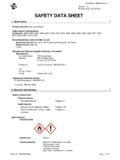
2 Instruments Technical Support: 626-934-1673. Environment, Health and Safety : 626-934-1592. 2. Hazard identification of the product Classification of the substance or mixture Skin Corr. 1A;H314 Causes severe skin burns and eye damage. Eye Dam. 1;H318 Causes serious eye damage. Carc. 1A;H350 May cause cancer. Aquatic Acute 1;H400 Very toxic to aquatic life. Label elements Using the Toxicity data listed in section 11 and 12 the product is labeled as follows. Danger H314 Causes severe skin burns and eye damage. H318 Causes serious eye damage. H350 May cause cancer. H400 Very toxic to aquatic life. Page 1 of 10. Safety data Sheet Oxygen Sensor SDS Revision Date: 10/04/2016. [Prevention]: P201 Obtain special instructions before use.
3 P202 Do not handle until all Safety precautions have been read and understood. P260 Do not breathe mist / vapors / spray. P262 Do not get in eyes, on skin, or on clothing. P264 Wash thoroughly after handling. P273 Avoid release to the environment. P280 Wear protective gloves / eye protection / face protection. [Response]: P301+310 IF SWALLOWED: Immediately call a POISON CENTER or doctor / physician. P303+361+353 IF ON SKIN (or hair): Remove / Take off immediately all contaminated clothing. Rinse skin with water / shower. P304+340 IF INHALED: Remove victim to fresh air and keep at rest in a position comfortable for breathing. P305+351+338 IF IN EYES: Rinse continuously with water for several minutes. Remove contact lenses if present and easy to do - continue rinsing.
4 P308+313 IF exposed or concerned: Get medical advice / attention. P310 Immediately call a POISON CENTER or doctor / physician. P331 Do NOT induce vomiting. P363 Wash contaminated clothing before reuse. P391 Collect spillage. [Storage]: P405 Store locked up. [Disposal]: P501 Dispose of contents / container in accordance with local / national regulations. 3. Composition/information on ingredients This product contains the following substances that present a hazard within the meaning of the relevant State and Federal Hazardous Substances regulations. Ingredient/Chemical Designations Weight % GHS Classification Notes Lead Compounds (as Pb) 50 - 75 Carc. 1A;H350 [1][2]. CAS Number: 0007439-92-1 Aquatic Acute 1;H400. Potassium hydroxide.
5 - 10 Acute Tox. 4;H302 [1][2]. CAS Number: 0001310-58-3 Skin Corr. 1A;H314. [1] Substance classified with a health or environmental hazard. [2] Substance with a workplace exposure limit. [3] PBT-substance or vPvB-substance. *The full texts of the phrases are shown in Section 16. Page 2 of 10. Safety data Sheet Oxygen Sensor SDS Revision Date: 10/04/2016. 4. First aid measures Description of first aid measures General In all cases of doubt, or when symptoms persist, seek medical attention. Never give anything by mouth to an unconscious person. Inhalation Remove to fresh air, keep patient warm and at rest. If breathing is irregular or stopped, give artificial respiration. If unconscious place in the recovery position and obtain immediate medical attention.
6 Give nothing by mouth. Eyes Irrigate copiously with clean water for at least 15 minutes, holding the eyelids apart and seek medical attention. Skin Remove contaminated clothing. Wash skin thoroughly with soap and water or use a recognized skin cleanser. Ingestion Do NOT induce vomiting. Rinse mouth and slowly drink several glasses of water. Call a physician. Do NOT give anything by mouth to an unconscious or convulsing person. Most important symptoms and effects, both acute and delayed Overview Routes of Entry: Inhalation: Highly unlikely. Ingestion: May be fatal if swallowed. Skin: The electrolyte (potassium hydroxide) is corrosive; skin contact may cause irritation or severe chemical burns. Eyes: The electrolyte (potassium hydroxide) is corrosive; eye contact may cause irritation or severe chemicals burns.
7 Acute Effects: The electrolyte is harmful if swallowed, inhaled or absorbed throught the skin. It is extremely destructive to tissue of the mucous membranes, stomach, mouth, upper respiratory tract, eyes and skin. Signs and Symptoms of Exposure: Contact of electrolyte with skin or eyes will cause a burning sensation and/or feel soapy or slippery to touch. Other symptoms of exposure to lead include loss of sleep, loss of appetite, metallic taste and fatigue. For additional exposure information refer to 29 CFR , Appendix A - Substance data Sheet for Occupational Exposure to Lead. Possible cancer hazard. Contains an ingredient which may cause cancer based on animal data (See Section 3 and Section 15 for each ingredient). Risk of cancer depends on duration and level of exposure.
8 See section 2 for further details. Eyes Causes serious eye damage. Skin Causes severe skin burns and eye damage. Chronic effects Chronic Effects: Prolonged exposure with the electrolyte has a destructive effect on tissue. Chronic exposure to lead may cause disease of blood and blood forming organs, kidneys and liver, damage to the reproductive systems and decrease in fertility in men and women, and damage to the fetus of a pregnant woman. Chronic exposure from the lead contained in this product is extremely unlikely. Carcinogenicity: Lead is classified by the IARC as a class 2B carcinogen (possibly carcinogenic to humans). OSHA: Where airborne lead exposures exceed the OSHA action level, refer to OSHA Lead Standard Page 3 of 10.
9 Safety data Sheet Oxygen Sensor SDS Revision Date: 10/04/2016. NTP: NA. Medical Conditions Generally Aggravated by Exposure: Lead exposure may aggravate disease of the blood and blood forming organs, hypertension, kidneys, nervous and possibly reproductive systems. Those with preexisting skin disorders or eye problems may be more susceptible to the effects of the electrolyte. 5. Fire-fighting measures Extinguishing media Use standard fire fighting media on surrounding materials including water spray, foam, and carbon dioxide. (Do not use dry chemical extinguisher containing ammonium compounds.). Special hazards arising from the substance or mixture Hazardous decomposition: Toxic fumes. Do not breathe mist / vapors / spray. Do not get in eyes, on skin, or on clothing.
10 Advice for fire-fighters Wear NIOSH/OSHA approved self-contained breathing apparatus and protective clothing to prevent contact with skin and eyes. Sealed containers may develop explosive pressures under fire conditions. Use water to cool containers exposed to fire. ERG Guide No. ---- 6. Accidental release measures Personal precautions, protective equipment and emergency procedures Put on appropriate personal protective equipment (see section 8). Environmental precautions Do not allow spills to enter drains or waterways. Use good personal hygiene practices. Wash hands before eating, drinking, smoking or using toilet. Promptly remove soiled clothing and wash thoroughly before reuse. Methods and material for containment and cleaning up Wipe down the area several times with a wet paper towel.