Transcription of SAFETY DATA SHEET - PROtech Pool Supplies
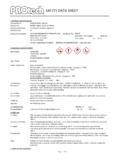
1 SAFETY data SHEET . 1. PRODUCT IDENTIFICATION. Product Name: CHLORINATING 3" TABLETS. Synonym(s): 1,3,5 trichloro s triazine 2,4,6 trione; TCCA; Trichlor; Symclosene; Trichloroisocyanuric Acid Recommended Uses: Sanitizer, Disinfectant SDS Reference: 105. Company Information: ALLCHEM PERFORMANCE PRODUCTS, INC. Distributed By: WINDO. 6010 NW FIRST PLACE 6934 EAST FIRST AVENUE SUITE 101. GAINESVILLE, FL 32607 SCOTTSDALE AZ 85251. Tel: 352 378 9696. 24 HOUR EMERGENCY NUMBER: INFOTRAC (TRANSPORTATION): 1 800 535 5053. 2. HAZARD(S) IDENTIFICATION. Classification: CORROSIVE. FATAL IF INHALED. HARMFUL IF SWALLOWED. TARGET ORGAN TOXICITY (SINGLE).
2 REPRODUCTIVE TOXIN. OXIDIZER. ENVIRONMENTAL HAZARD. Signal Word: DANGER. Hazard Statements: HEALTH HAZARDS: Skin Corrosion/Irritant: Causes severe skin burns and eye damage Category 1C. Eye Damage/Irritation: Causes serious eye damage Category 1. Inhalation Toxicity: Fatal if inhaled Category 2. Oral Toxicity: Harmful if swallowed Category 4. Target Organ Toxicity (single exposure) May cause respiratory tract irritation Category 3. Reproductive Toxin May damage fertility or the unborn child Category 1B. PHYSICAL HAZARDS: Oxidizing Solid May intensify fire; oxidizer Category 2 OXIDIZING AGENT. Contact with water slowly liberates irritating and hazardous chlorine containing gases.
3 Contamination with moisture, organic material, or other incompatible chemicals may start a reaction with generation of heat, liberation of hazardous gases, and possible fire and explosion. Contact with acids liberates toxic gas. Decomposes at temperatures above 464 F with liberation of harmful gases. When ignited will burn with the evolution of chlorine and equally toxic gases. Do not get water inside container. Wet material may generate nitrogen trichloride, an explosion hazard. ENVIRONMENTAL HAZARDS: Very toxic to aquatic life Acute 1. Very toxic to aquatic life with long lasting effects Chronic 1. Precautionary Do not breathe dust, fume, gas, mist, vapors, or spray.
4 In case of inadequate ventilation, wear respiratory Statements: protection. Wear protective gloves, protective clothing, eye, and face protection. Wash face, hands and any exposed skin thoroughly after handling. Do not eat, drink or smoke when using this product. Use only outdoors or in a well ventilated area. Keep container tightly closed and store locked up. Avoid release to the environment. May intensify fire, oxidizer. Keep away from heat. ADDITIONAL HAZARD INFORMATION: This material is corrosive. Product has strong buffering capability. Use dilution. May cause burns to moist skin if not promptly removed. There is no specific antidote.
5 Eye Contact: Rinse cautiously with water for several minutes. Remove contact lenses, if present and easy to do. Continue rinsing. Skin Contact: Remove/Take off Immediately all contaminated clothing. Rinse skin with water/shower. Wash contaminated clothing before reuse. Inhalation: Remove person to fresh air and keep comfortable for breathing. Immediately call a POISON CENTER or doctor/physician. Specific treatment is urgent (see Section 4 of SDS or first aid information on this label). Ingestion: Rinse mouth. Do NOT induce vomiting. Call a POISON CENTER or doctor/physician if you feel unwell. Specific treatment (see First Aid information on product label and/or Section 4 of the SDS).
6 Page 1 of 7. SAFETY data SHEET . 3. COMPOSITION PERCENT % CAS # Chemical Name: Trichloro s triazinetrione 98 100 87 90 1. Boric Acid <1 10043 35 3. 4. FIRST AID. If In Eyes: Immediately flush contaminated eyes with a directed stream of water for as long as possible. Remove contact lenses, if present, then continue rinsing. GET MEDICAL ATTENTION IMMEDIATELY. If on Skin or Clothing: Immediately flush contaminated areas with water. Remove contaminated clothing, jewelry, and shoes immediately. Wash contaminated areas with soap and water. GET MEDICAL ATTENTION. Thoroughly clean and dry contaminated clothing and shoes before reuse. If Inhaled: If inhalation of dust occurs and adverse effects result, remove to uncontaminated area.
7 Evaluate ABC's (is Airway constricted, is Breathing occurring, and is blood Circulating) and treat symptomatically. GET MEDICAL ATTENTION IMMEDIATELY. There is no specific antidote, treat symptomatically. If Swallowed: If swallowed, do not induce vomiting. Give large amounts of water. If vomiting occurs spontaneously, keep airway clear. Give more water when vomiting stops. Never give anything by mouth to an unconscious or convulsive person. GET MEDICAL ATTENTION IMMEDIATELY. Note: Probable mucosal damage may contraindicate the use of gastric lavage. Have the product container or label with you when calling a poison control center or doctor, or going for treatment.
8 Acute Symptoms/Effects: Listed below. Inhalation (Breathing): Respiratory System Effects: Exposure to the solid product or to free chlorine evolving from the product may cause irritation, redness of upper and lower airways, coughing, laryngospasm and edema, shortness of breath, bronchoconstriction, and possible pulmonary edema. The pulmonary edema may develop several hours after a severe acute exposure. Skin: Skin Corrosion. Exposure to solid along with moisture may cause redness, irritation, burning sensation, swelling, blister formation, first, second, or third degree burns. Eye: Serious Eye Damage. Exposure to eyes may cause irritation and burns to the eye lids, conjunctivitis, corneal edema, and corneal burn.
9 Significant and prolonged contact may cause damage to the internal contents of the eye. Ingestion (Swallowing): Gastrointestinal Effects: Exposure by ingestion may cause irritation, nausea, and vomiting. May cause local tissue damage to esophagus and stomach such as burning, inflammation, local ulceration, and may cause gastrointestinal bleeding. Delayed Symptoms/Effects: Repeated and prolonged skin contact may cause a dermatitis. Notes to Physician: Treat as a corrosive substance. This material is more irritating to the skin and eyes in the presence of water. For prolonged exposures and significant exposures, consider delayed injury to exposed tissues.
10 There is no antidote. Cyanuric acid is readily removed from the body via the renal system, and is not bioaccumulated. Treatment is supportive care. Follow normal parameters for airway, breathing, and circulation. 5. FIREFIGHTING MEASURES. Suitable / Unsuitable Flood with water. Do not use ABC fire extinguishers. Do not use dry chemicals, carbon dioxide, or Extinguishing Media: halogenated extinguishing agents. Specific Hazards from Negligible fire hazard. If heated by outside source to temperatures above 240 C (464 F), this product will Chemical: undergo decomposition with the evolution of noxious gases but no visible flame. Wet material may generate nitrogen trichloride, an explosion hazard.