Transcription of Saving Lives: Pneumococcal Disease: Integrating …
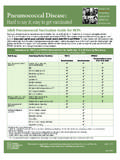
1 Pneumococcal disease : Facts About Pneumococcal disease in AdultsWhat is Pneumococcal disease ? Pneumococcal disease is an infection caused by common bacteria called pneumococcus [noo-muh-kok-uhs]. It can lead to severe illnesses like pneumonia, meningitis, and bloodstream infections (sepsis). Is it dangerous? Pneumococcal disease is serious and deadly. It s hard to know the exact number, but about one million US adults are thought to get Pneumococcal pneumonia every year and 5 to 7 percent of them die. Fewer people will get Pneumococcal meningitis and bloodstream infection, but the mortality rate in this group is higher (10 percent or more) and increases even more in people age 65 and older. Most of these deaths are in adults. For those who survive, these infections can lead to hospitalization, long recovery time, and devastating health problems such as hearing loss, seizures, blindness, and are the symptoms?
2 Pneumococcal disease can strike quickly and without warning, but symptoms are not the same for everyone. Depending on whether the infection causes pneumonia, bloodstream infection, or meningitis, people may have some combination of the following: abrupt onset of fever shaking/chills, cough shortness of breath chest pain stiff neck disorientation sensitivity to lightHow do people get Pneumococcal disease ? Pneumococcal bacteria spread through coughing or sneezing or through direct contact, such as kissing. Not everyone who carries the bacteria becomes ill, so it s possible to catch Pneumococcal disease from someone who appears Lives: IntegratingVaccines forAdults IntoRoutine Care I m committed to helping reduce Pneumococcal disease among US adults because over the years, I have seen too many lives cut short by this disease .
3 Mark Metersky, MD University of Connecticut School of MedicineThis initiative is supported by unrestricted educational grants from Merck & Co., Inc. and Pfizer Inc. NFID policies restrict funders from controlling program 2015page 1 of 2 Pneumococcal disease : Facts About Pneumococcal disease in AdultsWho can get Pneumococcal disease ?Anyone can get Pneumococcal disease , but those age 65 and older and younger adults with certain chronic health conditions are more likely than others to get it. They are also at greater risk for serious there anything I can do to keep from getting Pneumococcal disease ?Getting vaccinated as recommended can help prevent Pneumococcal disease . It s also important to get an influenza vaccination every year because having the flu increases the chances of getting Pneumococcal disease . Pneumococcal vaccines, as well as influenza and hepatitis B vaccines are fully paid for by Medicare Part B if your healthcare provider accepts the Medicare approved payment.
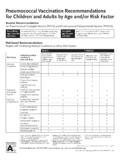
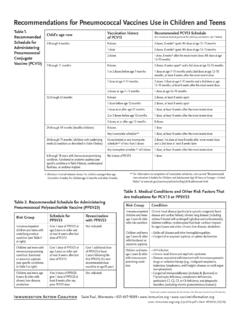
4 Which adults need Pneumococcal vaccination? There are two types of Pneumococcal vaccine recommended for adults: a Pneumococcal conjugate vaccine (PCV13) and a Pneumococcal polysaccharide vaccine (PPSV23).The Centers for disease Control and Prevention (CDC) recommends both PCV13 and PPSV23 for* All adults age 65 years and older Adults age 19 to 64 years with: Conditions or treatments that affect the immune system (such as: HIV, lymphoma, leukemia, or Hodgkin disease , chronic kidney disease , radiation therapy, or certain long-term steroid use) Functional or anatomic asplenia Cochlear implants or cerebrospinal fluid (CSF) leaksCDC recommends only PPSV23 for the following adults age 19 to 64 years: Those with chronic conditions such as asthma, diabetes, lung, heart, or liver disease , or alcoholism Cigarette smokers Residents of nursing homes or other long-term care facilitiesThese individuals should receive a dose of PCV13 when they reach age 65 and should consult with their healthcare there side effects from vaccination?
5 Mild side effects such as redness or pain at the injection site may occur. Very rarely, fever, muscle aches, or more severe reactions may develop.*PCV13 and PPSV23 cannot be given at the same visit. Your healthcare professional can tell you what doses you need and the timing that is right for you. A second PPSV23 vaccine is recommended for these persons five years after the first more information, speak with your healthcare professional or visit initiative is supported by unrestricted educational grants from Merck & Co., Inc. and Pfizer Inc. NFID policies restrict funders from controlling program 2015page 2 of 2