Transcription of TEACHING OBJECTIVES: Diabetes?
1 TOPIC: diabetes Disease ProcessTEACHING OBJECTIVES: Design informational sessions forfamilies in all chapters withconsideration for their:leducational levellprimary languagelculture or ethnicitylfamily structurellearning stylelprevious experience with themedical communityLEARNING OBJECTIVES: Learners (parents, child, relative orself) will be able to:1. Define the basic disease processof type 1 and type 2 diabetes (also see Chapters 3 and 4). normal and abnormalblood sugars along with HbA1cas part of the diagnosis Define symptoms of type 1 ortype 2 diabetes and comparewith the symptoms experiencedby the patient at 2 What IsDiabetes?TYPE1 (INSULIN-DEPENDENT)DIABETESType 1 (also known as insulin-dependent diabetes mellitus[IDDM] or juvenile or childhood) diabetes is the most commontype found in children and young adults.
2 This conditionoccurs when the pancreas doesn t make enough 2 DIABETEST here is another kind of diabetes that is sometimes found inoverweight pre-teens and teenagers, and is also the mostcommon type of diabetes in adults over age 40 years. It is calledtype 2 diabetes , or sometimes adult-onset or non-insulin-dependent diabetes mellitus (NIDDM). In type 2 diabetes ,insulin is still madein normal or increased amounts (at leastinitially), but it doesn t work very well in helping the body usesugar. People who develop childhood (type 1) diabetes areinsulin dependent for life. They will always have this type ofdiabetes. They will not convert to type 2 diabetes as they growolder.
3 Likewise, people with type 2 diabetes do not convert totype 1 type 2 diabetes , ketones (Chapter 5) may still be presentat diagnosis as well as high blood sugars (Chapter 7) and anelevated HbA1ctest (Chapter 14). If ketones are present,insulin shots may be started. At a later time, if the antibodytests (Chapter 3) are negative and the blood sugars and HbA1ctest have decreased to near normal, the oral tablets may betried. Insulin cannot be taken in pill form because the acidin the stomach would break it 2 diabetes isdiscussed in more depth in Chapter 2 What is Diabetes? WHYWE NEED INSULIN:lInsulin allows sugar to pass into ourcells so that it can be burned for cells are like a furnace, whichburn fuel to make energy.
4 Our bodiesconstantly need energy for all of our bodyfunctions, such as allowing our heart tobeat and our lungs to breathe. Sugarcomes from two places (see Figure in thischapter). Internal sugar comes fromour body s own production in the liver orfrom the release of stored sugar from theliver. This sugar is released into the bloodstream. External sugar comes from thefood we eat. It enters the stomach andthen moves into the intestine where it isabsorbed. When people do nothavediabetes, the pancreas makes insulin toregulate both internal and external means a person without diabetes caneat sugary foods and their blood sugar willremain in the normal people have type 1 diabetes , thepancreas does not make enough insulin.
5 Theblood sugar can t pass into the body s cells tobe burned. Instead, the blood sugar rises to ahigh level and overflows through the kidneysinto the urine. When sugar enters the urine,water is pulled from all over the body to go outwith the results are the usual SYMPTOMS ofdiabetes:Frequent passing of urine: to carry excesssugar out of the bodyFrequent drinking of liquids: to make upfor water lost in the urineFrequent eating of food: because thebody can t use the food it takes in and ishungry for the energy it isn t getting. Thishunger is not always present in the appetite may even (see Chapter 5) can cause an upsetstomach and possible loss: when the body can t get sugarinto the cells, it burns its own fat andprotein for energy.
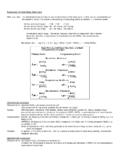
6 This causes weight in behavior: if the person isgetting up frequently at night to pass urine,sound sleep will not occur. This can resultin behavioral second function of insulin is to shutoff the body s internal production ofsugar (see Figure in this chapter). Thisinternal sugar mostly comes from the the insulin level is too low, too muchinternal sugar is made. Thus, when there is not enough insulin, theblood sugar level can be high for two reasons:Too much internal sugar being madeThe sugar (from internal production andfrom external food) cannot pass into the cellsChapter 2 What is Diabetes? 11 InsulinBridgeBridgeInternal sugarproductionblocked byinsulinLiverLiverEnergyStomachStomachE xternal sugarfrom our foodExternal sugarfrom our foodUrine,no sugarSugar inurineNo energyfrom sugarNo insulinto shut offinternal sugarproductionNoInsulinDIABETESNORMALS ugarSugarSugarSugarSugarHungryCellSugarS ugarCell12 Chapter 2 What is diabetes ?
7 HONEYMOON (GRACE)PERIODAs stated previously, type 1 (insulin-dependent) diabetes does not turn into type 2(adult) diabetes as children become to what we now know, people withtype 1 diabetes will need insulin injections for therest of their lives. Often, there is a honeymoon orgrace period that may occur a short time after theonset of diabetes . It commonly starts within twoto eight weeks, although not all people have thishoneymoon period. During the honeymoon,sugar production is turned off in the liver and afair bit of insulin is still being made in the isletcells in the pancreas. This is a time when peopleoften think they don t have diabetes .
8 They maybe attracted to miracle cures. The honeymoonperiod may last a few weeks to a few this time, the body may not need muchextra insulin. After this period, the body willagain need more insulin, although small amountsof insulin may still be made by some. We adviseour patients to continue their insulin during thegrace period, even though the dose may be know from experience that the body willagain need more insulin. Usually with growth,illness or stress there may be a need for moreinsulin. This need may be evident when themorning blood sugars start to be above thedesired range. It is usually hard to begin insulinshots again if the shots were MOST IMPORTANT RULEfor thepatient with diabetes to remember is: I MUSTTAKE MY INSULIN (OR ORALMEDICINES) EVERY DAY FROM NOWON.
9 IF I FORGET MY INSULIN/ORALMEDICINES, MY diabetes WILL GETOUT OF CONTROL. THERE ISABSOLUTELY NO WAY I WILL NOTNEED INSULIN EVERY DAY FROMNOW ON IF I HAVE TYPE 1 if I get sick, I still need insulin. I mayneed more or less insulin, but I must have itevery day. IMPORTANT: The only knowndifference about people who develop type 1diabetes is that their bodies don t make enoughinsulin. THE PERSON AND EVERYOTHER PART OF THE BODY AREOTHERWISE COMPLETELY :The organ (sac) that collects thewater from the kidneys and holds it until it ispassed as urine (see the drawing).Bloodstream: The flow of blood within theblood vessels to and from the different parts ofthe : The very smallest units of the body.
10 Youcan only see them with a : Proteins in liver, muscle andintestine that help make sugar. (There aremany enzymes that have other functions.)Esophagus: The swallowing tube (see thedrawing).External sugar: The sugar taken in from allows the external sugar to pass into thebody s cells to be used for : The substance (hormone) made bythe pancreas that allows sugar to pass into sugar: The sugar made by the body(or sugar released from stored sugar in theliver). Insulin shuts off the excess productionof internal : The part of the GI tract (gut) belowthe stomach where most sugar (and otherfoods) are actually absorbed into our bloodstream (see the drawing).