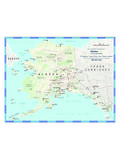
Transcription of The Adirondack Map
1 SNOWSHOE HAREFISHERADIRONDACK FOREST PRESERVEMAP GUIDE&CONNECT WITH 6-million-acre Adirondack Park is a unique mix of public and privately owned lands, with mountains, forests, lakes, rivers, and small towns and hamlets scattered throughout. The combination of more than million acres of Forest Preserve and more than 700,000 acres of privately owned lands under conservation easements makes the Adirondacks the largest area of publicly protected lands east of the Mississippi River. The mountains are home to the headwaters of five major watersheds, and the undeveloped natural landscape of the Adirondacks is a haven for many plants, fish, and wildlife, some of which are found exclusively in this recreation and tourism are important to the economies of the local communities, which are home to 130,000 permanent residents and 200,000 seasonal residents.
2 Attracting 12 million visitors each year, the Adirondacks offers a range of recreation for every taste, from hiking, skiing, and camping to fishing, hunting, and snowmobiling. Like a slower pace? Try relaxing on a porch and watching the sun set over a lake from the comfort of a classic Adirondack WILDLIFE Want to hear woodland warblers, watch playful otters, or see signs of the elusive fisher? The Adirondacks contain a wide range of wildlife habitats where you can spot these creatures and so many more. Add some of these popular wildlife viewing areas to your next visit:TRAILS FISHING AND HUNTINGCAMPINGPLANNING YOUR Adirondack ADVENTURED iscover the mountains, forests, waters, scenic views, and welcoming communities that make the Adirondacks a premier international outdoor TOURISMA dirondack Regional Tourism Scenic Love NYGeneral Information800-CALLNYS (800-225-5697) Regional Office of Sustainable Experience518-352-7311 Interpretive Center518-582-2000 Mountain Ski Area518-251-2411 Van Hoevenburg 518-523-2811 Smith College Visitor Interpretive Center 518-327-6241 Wild Center518-359-7800 Mountain Ski Area518-523-1655 SITESFort Ticonderoga 518-585-2821 York State Office of Parks, Recreation and Historic PreservationJohn Brown Farm Historic Site.
3 518-523-3900 Crown Point Historic Site: Mountain (search for maps)DEC INFO Geographic Maps York State Office of Parks, Recreation and Historic Preservation NYS Snowmobile Corridor Trails variety of Adirondack maps are available online or in-store at outdoor recreation YORK STATE DEPARTMENT OF ENVIRONMENTAL CONSERVATION (DEC)DEC Accessibility Program Environmental Education Camps Pack Forest and Camp Colby 518-402-8014 Forest Rangers Outdoor Activities Regional Offices (See map for locations)Outdoor recreation and regulation information for areas managed by DEC, including recommendations, publications, and licensed Region 5 Ray Brook Office (Clinton, Essex, Franklin, Fulton, Hamilton, Saratoga, Warren, and Washington counties)
4 518-897-1200 DEC Region 6 Watertown Office (Herkimer, Jefferson, Lewis, Oneida, and St. Lawrence counties) 315-785-2239 HUNTING AND TRAPPING Hunting and trapping have been part of the Adirondack way of life since the first indigenous people settled here. In the mid- to late-1800s, hunting also drew the first tourists to the Adirondacks. Today, hunting still helps feed many families and attracts those seeking the unique experience of wilderness hunting. Most of the Forest Preserve and many of the conservation easement lands are open to public hunting and trapping. Many serious big game hunters join hunting camps or camp in the backcountry via a free and search NYS Hunting & Trapping Regulations Guide, for big game, small game, waterfowl, and trapping THE ADIRONDACKS In the Adirondacks, anglers can troll for lake trout, cast for bass or walleye, or fly fish for native brook trout.
5 The cold winters make for a long ice fishing season as well. Here are some of the fishing experiences found in the Adirondacks: Cranberry Lake has 70 miles of shoreline from which you can fish for smallmouth and largemouth bass, northern pike, black crappie, yellow perch, and brook Chain of Lakes offers eight lakes worth of fishing fun. Their deeper waters support lake trout, rainbow trout, and Atlantic salmon, while anglers targeting the shallower, warmer waters will find yellow perch, smallmouth bass, and northern Branch Ausable River is renowned for fly fishing for rainbow, brown, and brook trout. Catch-and-release sections and plenty of access through both Forest Preserve lands and private lands with public fishing rights make this a popular and high-quality fishing Lake Wilderness and the adjacent Hammond Pond Wild Forest contain many remote waters with plentiful brook trout.
6 Great Sacandaga Lake is a great spot for finding walleye, but also contains other warmwater and coldwater and search Adirondack Fishing, for more DEERBEARGROUSEFISHERCOYOTEHAREWHITETAIL DEERBEARGROUSEFISHERCOYOTEHAREWHITETAIL DEERBEARGROUSEFISHERCOYOTEHAREWHITETAIL DEERBEARGROUSEFISHERCOYOTEHAREWHITETAIL DEERBEARGROUSEFISHERCOYOTEHAREWHITETAIL DEERBEARGROUSEFISHERCOYOTEHAREFERD S BOG, PIGEON LAKE WILDERNESS; TOWN OF INLET:Designated as an Important Bird Area by the National Audubon Society, this boreal bog is home to three-toed and black-backed woodpeckers, olive-sided and yellow-bellied flycatchers, northern parula and palm warblers, Lincoln s and swamp sparrows, and gray jays. With a short, (one-way) trail that leads to a floating walkway and viewing platform, Ferd s Bog is one of only a handful of publicly accessible boreal bog habitats in New York RIVER PLAINS WILD FOREST; TOWNS OF INLET AND INDIAN LAKE:The Limekiln Lake-Cedar River Road (the Moose River Plains Road) provides great access to this area in the West Central Adirondacks.
7 The area sustains healthy deer, bear, and moose populations with its low lying river valleys, hills and low mountains, and two 3,500-foot-high mountain summits. Beavers, bobcats, otters, coyotes, fishers, and martens are found here as MARSH WILDLIFE MANAGEMENT AREA (WMA); TOWN OF PERU:Part of the Lake Champlain Marshes Bird Conservation Area, the Ausable Marsh WMA is a popular year-round birding site due to its wetlands. A variety of waterfowl, wading birds, and marsh birds, including endangered, threatened, and special concern species, can be viewed from the ADA-accessible viewing platform or while paddling the waterways. Examples of birds found here include American and least bitterns, vesper and grasshopper sparrows, blacked-crowned night herons, black terns, marsh wrens, upland sandpipers, pied-billed grebes, and YOUR Adirondack ADVENTUREBOATING AND PADDLING Adirondack FUN FACTS78 trailered boat launches, 44 campgrounds, 44 day use areas110 waterfalls,3,000 lakes,and 30,000 miles ofrivers and streams200 peaks higher than 3,000 feet inelevation20 fire towers, 2 locks, 1 lighthouse2,000+ miles of trails,1,400 primitive tent sites, 200 lean-to sheltersOUTDOOR SAFETY AND ETIQUETTE While enjoying the wonders of the Adirondacks, please remember to do your part in preserving these lands.
8 By following the Leave No Trace Seven Principles, you can help ensure your own safety and protect the pristine beauty of the PLAN AHEAD AND PREPARE yKnow the regulations and special concerns for the area you ll visit. yPrepare for extreme weather, hazards, and TRAVEL AND CAMP ON DURABLE SURFACES yDurable surfaces include established trails and campsites, rock, gravel, dry grasses or snow. yGood campsites are found, not made. Altering a site is not DISPOSE OF WASTE PROPERLY yPack it in, pack it out. Inspect your campsite and rest areas for trash or spilled foods. Pack out all trash, leftover food, and litter. yDeposit solid human waste in catholes dug 6 to 8 inches deep at least 200 feet from water, camp, and trails. Cover and disguise the cathole when LEAVE WHAT YOU FIND yPreserve the past: observe, but do not touch, cultural or historic structures and artifacts.
9 YLeave rocks, plants, and other natural objects as you find them. yAvoid introducing or transporting non-native species. yDo not build structures, furniture, or dig MINIMIZE CAMPFIRE IMPACTS yWhere fires are permitted, use established fire rings or mound fires. yKeep fires small. Use only sticks on the ground that can be broken by hand. yBurn all wood and coals to ash, put out campfires completely, then scatter cool RESPECT WILDLIFE yObserve wildlife from a distance. Do not follow or approach them. yNever feed animals. yControl pets at all times, or leave them at BE CONSIDERATE OF OTHER VISITORS yRespect other visitors and protect the quality of their experience. yBe courteous. Yield to other users on the trail. yLet nature s sounds prevail.
10 Avoid loud voices and From Mt. Arab Fire TowerPaul Smith s College VICP hoto credit: Cindy RodriguezAusable MarshBlue Mountain LakeCommon LoonGray JayAmerican MartenPied-billed Grebe ACCESS FOR ALL WHITETAIL DEERBEARGROUSEFISHERCOYOTEHAREWHITETAIL DEERBEARGROUSEFISHERCOYOTEHAREWHITETAIL DEERBEARGROUSEFISHERCOYOTEHAREWHITETAIL DEERBEARGROUSEFISHERCOYOTEHARE53 species of mammals, 150+ species of breeding birds,74 species of butterflies and moths,35 species ofreptiles and amphibiansBLACK BEARWHITE-TAILED DEEREASTERN COYOTERUFFED GROUSECAMPING IN THE ADIRONDACKSGENERAL CAMPGROUND INFORMATIONFrom island camping to equestrian excursions, each of DEC s 44 Adirondack campgrounds offer a unique experience regardless of age, interests, or outdoor skill REGIONCAMPGROUND RESERVATIONS yAusable Point yBuck Pond yMeadowbrook yTaylor Pond yWilmington Notch1-800-456-CAMP (2267) REGION yCranberry Lake yFish Creek Pond yMeacham Lake yRollins Pond ySaranac Lake IslandsSOUTHEAST REGION yCrown Point yEagle Point yFrontier Town yHearthstone Point yLake George Battleground yLake George Islands (Glen, Long & Narrow Islands)