Transcription of Using Cues or Prompts
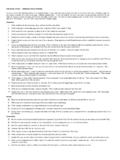
1 Using cues or Prompts Teacher Tip SheetTeacher Tip Sheet | Using cues or PromptsPage 1/2 EducationCues or Prompts are used to help teach, remind and reinforce students ability to do a particular task or use set of or Prompts can be subtle, but should be easy to recognize and interpret for both staff and students. When Using cues or Prompts : embed cues in your instructional routine; , use a cue before starting or ending a lesson use different types of Prompts based on the students ability to remember expectations, focus on a task or follow a set of directions reinforce the students attention to cues and Prompts by commending students. Types of Prompts :Aural/Verbal Prompts ( , sounds or spoken words and phrases)Physical Prompts ( , gestures) Physical Prompts should be done in a friendly manner and delivered in a low-key, positive way. Examples include:- raising a hand- gesturing- a hand on the shoulder or desk- standing close Sometimes verbal and physical Prompts may be combined; , stand next to student, bend down and quietly remind him or her them that it s time to begin cleaning up and getting ready for the next you, Sophie, for putting your art supplies away when I pointed to the clock.
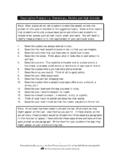
2 Great job!OK class, let s start at the beginning and read it one more have five more minutes to work before you need to begin cleaning up for the next word!Teacher Tip SheetTeacher Tip Sheet | Using cues or PromptsPage 2/2 EducationWritten Prompts ( , notes, signs) Post a schedule of daily activities or instruc-tions of what to do during an activity Place reminder cards on students desks. Use coloured cards with key messages or en-courage students to design and make remind-er cards. When needed, simply walk by and point to the reminders posted on their desks or lay the cards on their desks without comment. Remove the card when the behaviour has Centre Rules1. Listen to Use inside Stay with your Wait your Ask your group members for help before asking the your in a low your working.