Alcohol Use Disorders Identification Test (AUDIT)
The Alcohol Use Disorders Identification Test (AUDIT) is a 10-item screening tool developed by the World Health Organization (WHO) to assess alcohol consumption, drinking behaviors, and alcohol-related problems. Both a clinician-administered version (page 1) and a self-report version of the AUDIT (page 2) are provided. Patients should be encouraged
Download Alcohol Use Disorders Identification Test (AUDIT)

Information
Domain:
Source:
Link to this page:
Documents from same domain
Understanding Drug Abuse and Addiction
nida.nih.govdisruptive effects. Research shows that combining addiction treatment medications with behavioral therapy is the best way to ensure success for most patients. Treatment ... influences the reward circuit and the ability to learn. When the optimal concentration of glutamate is altered by drug abuse, the
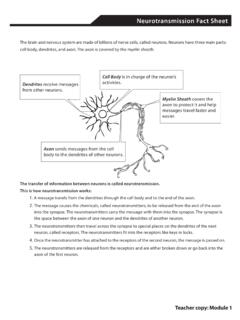
Neurotransmission Fact Sheet
nida.nih.govCorpus callosum connects the two hemispheres Hemispheres of the cerebral cortex: Lobes of the cerebral cortex: Module 1 Located below the crown of the head Processes sensory information from the whole body (information about pain, touch, and pressure) Located behind the temples and just above the ears In charge of making sense of the
Sample Patient Agreement Forms - nida.nih.gov
nida.nih.govPatient Agreement Form. Patient Name: Medical Record Number: Addressograph Stamp: AGREEMENT FOR LONG TERM CONTROLLED SUBSTANCE PRESCRIPTIONS The use of (print names . of medication(s)) may cause addiction and is only one part of the treatment . for: (print name of condition—e.g., pain, anxiety, etc.). The goals of this medicine are:

Commonly Abused Drugs Chart
nida.nih.govencourage and support HIV screening and inform patients that highly active antiretroviral therapy (HAART) has proven effective in combating HIV, including among drug-abusing Prescription Medications This chart may be reprinted. Citation of the source is appreciated.

Clinical Opiate Withdrawl Scale
nida.nih.govClinical Opiate Withdrawal Scale Introduction The Clinical Opiate Withdrawal Scale (COWS) is an 11-item scale designed to be administered by a clinician. This tool can be used in both inpatient and outpatient settings to reproducibly rate common signs and symptoms of opiate withdrawal and monitor these symptoms over time. The summed
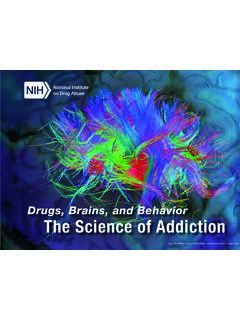
Drugs, Brains, and Behavior The Science of Addiction
nida.nih.govdrug abuse takes on individuals, families, and communities. Despite these advances, many people today do not understand why people become addicted to drugs or how drugs change the brain to foster compulsive drug use. This booklet aims to fill that knowledge gap by providing scientific information about the disease of drug
Preventing Drug Use Among Children and Adolescents …
nida.nih.govincluding the underage use of legal drugs (e.g., tobacco or alcohol); the use of illegal drugs (e.g., marijuana or heroin); and the inappropriate use of legally obtained substances (e.g., inhalants), prescription medications, or over-the-counter drugs (Johnston et al. 2002). Prevention programs should address the type of drug abuse problem in the
Instituto Nacional sobre el Abuso de Drogas Cómo Prevenir ...
nida.nih.govInstituto Nacional sobre el Abuso de Drogas 3 tales como la edad, el sexo, y la cultura, para mejorar la eficacia del programa.21 Planificación de la Prevención Programas para la familia Los programas de prevención para las familias deben

National Institute on Drug Abuse Principles of Drug Abuse ...
nida.nih.govTreatment for Criminal Justice Populations | A Research-Based Guide National Institute on Drug Abuse. 3. 1 1. Drug addiction is a brain disease that affects behavior. Drug addiction has well-recognized cognitive, behavioral, and physiological characteristics that contribute to …
Medicines and Drugs: What's Helpful, What's Harmful - …
nida.nih.gov• One option is to read the riddles to the class and have them solve the riddles as a group. • Another is to divide the class into teams, read the riddles, and then give a point to whichever team comes up with the correct answer first. • You could also divide the students into groups of three and have each student
Related documents
Distress Tolerance and Skills Building for Adolescent
adaa.orgDistress Tolerance/Coping Skills • Basic idea is to learn how to make it through a bad situation without making it worse. Learning how to tolerate Stress and accept “what is” • Recognize that no matter how bad it feels, they will survive • Using distraction …

Investment Risk Tolerance Quiz - Rutgers University
njaes.rutgers.eduInvestment Risk Tolerance Quiz 1 Do you want to improve your personal finances? Start by taking this quiz to get an idea of your investment risk tolerance – one of the fundamental issues to consider when planning your investment strategy, either alone or in consultation with a financial services professional.
STANDARD TEST METHODS CHEMICAL COATED FABRICS …
www.cffaperformanceproducts.orgIn test methods where a specific material, apparatus, and/or supplier is listed, please note that such a listing is for the convenience of users of the Standard Test Methods. Any equipment from any supplier which produces comparable ... 70°F (21°C). A tolerance of +/- 2% is permitted in relative humidity and +/- 2°F (1°C) in temperature ...

IS 1237 (2012): Cement Concrete Flooring Tiles - Specification
www.iitk.ac.in8.2 Tolerance on thickness shall be +15 percent of the minimum thickness (no tolerance on the negative side shall be permitted). In addition, the difference in thickness between the thickest and the thinnest tile in the sample shall not exceed 10 percent of the minimum thickness. 8.3 Thickness of Wearing Layer of Double Layer Tiles