Anesthesia Services for Interventional Pain Management ...
P2 – A patient with mild systemic disease P3 – A patient with severe systemic disease P4 – A patient with severe systemic disease that is a constant threat to life P5 – A moribund patient who is not expected to survive without the operation P6 – A declared brain-dead patient whose organs are being harvested
Download Anesthesia Services for Interventional Pain Management ...

Information
Domain:
Source:
Link to this page:
Documents from same domain
Molecular Diagnostic Testing for Hematology and Oncology ...
static.cigna.comGeneral Criteria for Somatic Mutation Genetic Testing ... initiate a related therapy and the therapy has been validated by the National Comprehensive Cancer Network™ (NCCN Guidelines™) as a category 1, 2A, or 2B recommendation for the ... Detection of circulating whole tumor cells for any other indication is considered experimental,
Bariatric Surgery and Procedures - Cigna
static.cigna.comThis Coverage Policy addresses bariatric surgery and procedures for the treatment of morbid obesity. Coverage Policy . Coverage for bariatric surgery or revision of a bariatric surgery procedure varies across plans and may be governed by state mandates. Refer to the customer’s benefit plan document for coverage details.
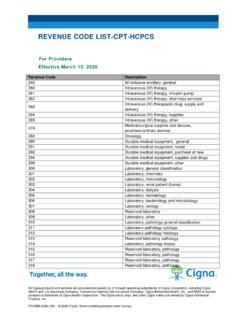
REVENUE CODE LIST-CPT-HCPCS - Cigna
static.cigna.comREVENUE CODE LIST-CPT-HCPCS For Providers Effective March 15, 2020 . All Cigna products and services are provided exclusively by or through operating subsidiaries of Cigna Corporation, includingCigna Health and Life Insurance Company, Connecticut General Life Insurance Company, Cigna Behavioral Health, Inc., and HMO or service
Minimally Invasive Spine Surgery Procedures and Trigger ...
static.cigna.comTrigger Point: Trigger point injection therapy involves the injection of anesthetic or corticosteroids into distinct, focal hyper-irritable spots (i.e., trigger points) located in a tight band of skeletal muscle. Myofascial pain syndrome is a chronic form of muscle pain centered near trigger points.
Diabetes Equipment and Supplies
static.cigna.com• hypoglycemic wristband alarm (e.g., Diabetes Sentry™) External Insulin Pumps . ANY of the following external insulin pumps * is considered medically necessary for the management of type 1 and type 2 diabetes mellitus: • an external insulin pump* (HCPCS code E0784) including a combined or integrated continuous
Welcome to Cigna Behavioral Health
static.cigna.comThe practitioner has thirty (30) days from the receipt of the suspension or termination letter to make a written request for reconsideration. Cigna Behavioral Health's Credentialing Committee Appeal Panel will review the appeal at its next monthly meeting and issue a written notification of the outcome to the practitioner.
Speech Therapy - Cigna
static.cigna.comspeech-language pathologist for a significant voice disorder associated with the laryngeal structures that are associated with anatomic abnormality, neurological condition, injury (e.g., vocal nodules or polyps, vocal cord paresis or paralysis, paradoxical vocal …
Nucleic Acid Pathogen Testing - Cigna
static.cigna.como human papillomavirus (HPV) cervical cancer screening • Symptomatic individuals when the associated signs and symptoms or diagnoses, are listed in the ... Chlamydial infection is the most frequently reported infectious disease in the United States (IDSA, 2018; CDC,
Transcranial Magnetic Stimulation
static.cigna.comTranscranial Magnetic Stimulation (TMS) for Depression . Transcranial magnetic stimulation (TMS) is a non-invasive neurostimulation technique that modulates cortical excitability. In repetitive TMS (rTMS), trains of several pulses are delivered through repeated stimulation over the same area with frequencies ranging from 1 to 20 Hz.
Orthotic Devices and Shoes - Cigna
static.cigna.comI. Cranial Orthosis Coding for Cranial Orthoses • A custom molded/fitted cranial orthotic device (HCPCS code S1040) is considered medically necessary for the treatment of synostotic plagiocephaly (i.e., craniosynostosis) following surgical correction when the benefit plan includes coverage for this indication.
Related documents

Managing Neurostorming in a Patient with Severe Brain Injury
www.nacns.orginjury/diffuse axonal injury. 2. Intraventricularhemorrhage, mildly decreased. Stable nonenlarged ventricular system. The basal cisterns remain patent. 3. Left orbital floor fracture with mild depression; no muscle entrapment. Extensive left periorbital soft tissue swelling and hemorrhage with left exophthalmos and extensive intraconal hemorrhage.
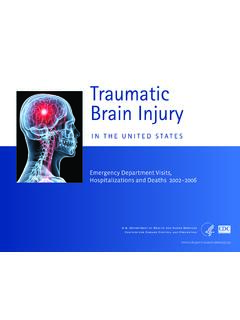
Traumatic Brain Injury - Centers for Disease Control and ...
www.cdc.govtraumatic Brain Injury in the united states executive summary 5 Traumatic brain injury (TBI) is an important public health problem in the United States. TBI is frequently referred to as the “silent epidemic” because the complications from TBI, such as changes affecting thinking, sensation, language, or emotions, may not be readily apparent.

Nutrition Following Traumatic Brain Injury
braininjurymn.orgMild to Moderate Inflammatory response Chronic Disease-Related Malnutrition (organ failure, pancreatic cancer, rheumatoid arthritis, sarcopenic obesity) Acute Disease- or Injury- Related Malnutrition (major infection, burns, trauma, closed head injury) Starvation-Related Malnutrition (pure chronic starvation, anorexia nervosa)
Vaccine Information Statement: Pneumococcal Conjugate ...
www.immunize.orgbrain and spinal cord) Bacteremia (infection of the blood) Anyone can get pneumococcal disease, but children under 2 years old, people with certain medical conditions or other risk factors, and adults 65 years or older are at the highest risk. Most pneumococcal infections are mild. However, some can result in long-term problems, such as brain

Hypoxic brain injury - Headway
www.headway.org.ukA hypoxic brain injury is a type of brain injury that occurs when there is a disruption in supply of oxygen to the brain. A diagnosis of hypoxic brain injury might not always be obvious, as the circumstances that caused the injury might not directly involve the brain, for example having a heart attack or inhaling smoke.