
Methamphetamine: Forms and Use Patterns
How do people use it? The typical dose of methamphetamine is a ‘point’ (0.1 grams) of base or ice, or half a gram of the lower purity powder, which is taken once or twice over the course of an evening or a day. Methamphetamine is typically injected by dissolving the drug with water in the small resealable plastic bag in which it is sold.
Download Methamphetamine: Forms and Use Patterns

Information
Domain:
Source:
Link to this page:
Documents from same domain

A brief cognitive-behavioural intervention for cannabis ...
ndarc.med.unsw.edu.authought processes, together with other cognitive and behavioural coping responses, can lead to a reduction in an individual's dependence on a drug. Thus, CBT is a skills-based approach, and works on helping clients to develop a range of therapeutic techniques for overcoming physiological dependence and habitual

Alcohol and young people - National Drug and Alcohol ...
ndarc.med.unsw.edu.aupurchasing or drinking alcohol until the age of 21, whereas in some European countries, including Germany and Portugal, low alcohol beverages such as beer and wine can be legally bought and consumed from the age of 16. How many young people drink alcohol in Australia? According to the 2013 National Drug Strategy Household Survey, close to one-third

A comprehensive assessment
ndarc.med.unsw.edu.auClient Identification Information Sheet ... family, friends, carers and service providers. Involve client and their families/carers where ... form a toolkit designed specifically to provide alcohol and/or other drug (AOD) workers with the tools necessary to effectively assess and manage suicide risk in their clients.
SOCIAL DETERMINANTS OF DRUG USE
ndarc.med.unsw.edu.auThis report focuses on social determinants of drug use, and structural interventions to address those social determinants. It draws upon recent research on the social epidemiology of health. The report incorporates a developmental perspective, noting that the influence of the environment is important and cumulative across the life

trauma + substance use
ndarc.med.unsw.edu.autrAumA And substAnCe use • Some people increase their use of alcohol, tobacco or other drugs to cope with how they are feeling after experiencing trauma. This is often called ‘self-medication’. • While this often gives some short-term relief, unfortunately, in the long-term it can make things worse. • Alcohol, tobacco and other drug ...

anxiety + substance use
ndarc.med.unsw.edu.aumanage their substance use. Psychological therapy • Cognitive behaviour therapy (CBT) is commonly used in the treatment of anxiety, and has the best evidence of improving this disorder. CBT is also effective for managing substance use, so treatment can often be combined to target both a person’s anxiety and substance use problems.

psychosis + substance use - National Drug and Alcohol ...
ndarc.med.unsw.edu.auschizoaffective disorder A person with schizoaffective disorder experiences the symptoms of schizophrenia as well as the symptoms of a mood disorder, such as depression or mania. For more information on mood disorders, see the booklet Mood …
Related documents
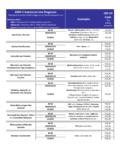
DSM-5 Substance Use Diagnosis ICD-10 Code Severity …
publichealth.lacounty.govCannabis Use Disorder MILD Marijuana and marijuana-related products F12.10 MODERATE F12.20 SEVERE F12.20 Stimulant Use Disorder- Amphetamine-Type Substance MILD Methamphetamine (crystal meth, crank, speed, tweek, glass, etc.) F15.10 MODERATE F15.20 SEVERE F15.20 Stimulant Use Disorder- Cocaine MILD Cocaine (coke, blow, snow, etc.) …

Specialty Substance Use Disorder (SUD) System ...
publichealth.lacounty.govField #23: DSM-5 Diagnosis of Substance Use Disorder or At-Risk Diagnosis - Opioid Use Disorder – SEVERE - Methamphetamine Use Disorder – MODERATE . Field #24: Level of Care Determination - Residential ASAM 3.5 . Field #25: Explanation of Need for Ongoing Services and Justification for Level of Care, as applicable - ASAM considerations:
SUBSTANCE USE IN MONTANA - Montana Department of …
dojmt.gov559% since 1980. Drug violations driven by methamphetamine use, which went down from 2005 to 2010, spiked again in 2015. That same year, 57% of all violations were for marijuana, followed by methamphetamine at 31% and other narcotics at 7%. Heroin contributes to a smaller overall share of violations, but increased an

Antemortem and Postmortem Methamphetamine Blood ...
media.defense.govSep 09, 2019 · fatigue and methamphetamine use. Toxicology testing con-firmed methamphetamine and cannabinoids (which were not quantified). The autopsy documented multiple bone fractures and visceral lacerations, and the cause of death was listed as mul-tiple blunt force injuries. Autopsy was performed 22.5 h after death.
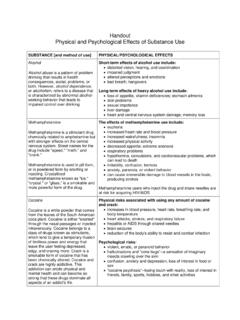
Physical and Psychological Effects of Substance Use Handout
ncsacw.acf.hhs.govMethamphetamine Methamphetamine is a stimulant drug chemically related to amphetamine but with stronger effects on the central nervous system. Street names for the drug include "speed," "meth," and "crank." Methamphetamine is used in pill form, or in powdered form by snorting or injecting. Crystallized methamphetamine known as "ice,"

CUT-OFF AND TOXICITY LEVELS FOR DRUGS-OF-ABUSE …
www.clr-online.com(5) Screening single-use ELISA device - Forensic toxicology use only NOTE: Refer to manufacturer’s insert for information on other benzodiazepines and metabolites. *Commonly accepted cut-off values; may be different for specific jurisdictions and methods.
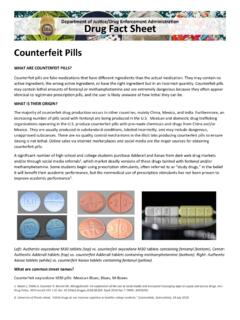
Counterfeit Pills - DEA
www.dea.govJul 19, 2018 · Counterfeit pills containing methamphetamine are highly addictive and act on the central nervous system. Taking even small amounts of methamphetamine can result in wakefulness, increased physical activity, decreased appetite, rapid breathing and heart rate, irregular heartbeat, increased blood pressure, and hyperthermia (overheating).

Substance Use Assessment - Therapist Aid
www.therapistaid.comInstructions: Answer each of the following questions by circling YES or NO.Try not to overthink your responses (if you’re unsure about a question, go with your first instict).