Transcription of SAMPLE LESSON FOR NOUNS SINGULAR, PLURAL …
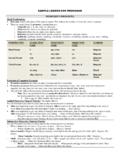
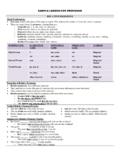
1 SAMPLE LESSON FOR NOUNS singular , PLURAL & COLLECTIVE NOUNS Quick Explanation: NOUNS A noun is the part of speech that names a person, place, thing, or an idea. o People, places, and things can be described using one or more of the five senses. o Idea NOUNS are things we feel, know, or understand. NOUNS take different forms depending on how they are used: o Proper NOUNS forms name specific people, places, things and are capitalized. o Common NOUNS forms do not name the specific person, place, thing, or idea and are not capitalized TYPE OF noun PROPER noun COMMON noun People Mary John girl boy Place United States Toys R Us Disney World country store amusement park Thing Angry Birds Florida Valencia Fido toy orange/fruit dog/pet Examples of Number NOUNS : singular NOUNS name only one person, place, thing, or idea. (student, school, toy, LESSON , dress) These NOUNS stay singular . (corn, sugar) NOUNS that name more than one person, place, thing, or idea are called PLURAL NOUNS .
2 Most singular NOUNS can be changed to a PLURAL noun by adding s or -es. (students, schools, toys, lessons; dresses) Common NOUNS that end in y, change the y to an i and add -es. (stories) Common NOUNS that end in a vowel+y, add s. (monkeys, Sundays) NOUNS that are symbols, letters, and numbers, add s (x s, ! s, 2 s, A s) Other NOUNS called irregular NOUNS can be changed from a singular to a PLURAL noun by changing the spelling (child-children, foot-feet) Some NOUNS stay the same. (sheep is both singular and PLURAL ) These NOUNS do not have a singular form. (scissors, cattle) Guided singular & PLURAL noun Practice Use a singular noun only when one person/object is named. o Today we will have a LESSON on reading a science article. o We will have our picnic on Sunday. o Our favorite story was read to us. o The box was packed with our things. o Dad found his key in the car. o A child asks if he has brought any stories. (14 Cows for America) Use a PLURAL noun when more than one noun is named.
3 O Today we will have many lessons on reading science articles. o We will have our picnics on Sundays. o Our favorite stories were read to us. o The boxes were packed with our things o Dad found his keys in the car. o Children ask if he has brought any stories. o Her scissors were in the pencil box. (The noun does not have a singular form.) Independent singular & PLURAL noun Practice Change the singular noun to a PLURAL noun : The ____ has come! (snow, snows) (Finn Family Moomintroll) (The noun form does not change. Snows is the verb form of the word.) Not all bugs and worms are _____. (pest, pests) It rained one ____this week. (day, days) The ____ pulled their fishing net into the boat. (man, men) Several _____ took us on our field trip. (bus, buses) The _____ looked up from their play to smile at him as he (child, children) (Mr. Popper s Penguins) SAMPLE LESSON FOR NOUNS Examples of Collective NOUNS Collective NOUNS represent and describe a group of: People o class, team, clan, family, audience, orchestra Animals o herd (of cattle), flock (of birds), litter (of kittens), pack (of wolves), swarm (of bees) Things o bunch (of things), batch (of cookies), collection (of baseball cards), deck (of cards) Guided Practice of Collective NOUNS Use collective NOUNS to complete the phrase.
4 Choose the BEST answer _____ of students _____ of kittens _____ of bees _____ of five _____ team class litter swarm family football Independent Practice of Collective NOUNS Use collective NOUNS to complete the sentences. Choose the BEST answer. The _____ played for the enthusiastic _____. (audience, orchestra) The _____ of sheep was saved from a _____ of wolves. (pack, herd) She received a _____ of flowers for her birthday. (collection, bunch) We made a _____ of cookies for our _____. (family, batch) The orchestra played for the enthusiastic audience (audience, orchestra) The herd of sheep was saved from a pack of wolves. (pack, herd) She received a collection of flowers for her birthday. (collection, bunch) We made a batch of cookies for our family. (family, batch) SAMPLE LESSON for singular , PLURAL & Collective NOUNS People Places Things ..and ideas NOUNS OA noun is the part of speech that names a person, place, thing, or an idea.
5 OPeople, places, and things can be described using one or more of the five senses. OIdea NOUNS are things we feel, know, or understand. ONouns take different forms depending on how they are used: OProper NOUNS forms name specific people, places, things and are capitalized. OCommon NOUNS forms do not name the specific person, place, thing, or idea and are not capitalized. PROPER & COMMON NOUNS TYPE OF noun PROPER noun COMMON noun People Mary John girl boy Place United States Toys R Us Disney World country store amusement park Thing Angry Birds Florida Valencia Fido toy orange/fruit dog/pet NUMBER NOUNS OSingular NOUNS name only one person, place, thing, or idea. (student, school, toy, LESSON , dress) OThese NOUNS stay singular . (corn, sugar) ONouns that name more than one person, place, thing, or idea are called PLURAL NOUNS . Most singular NOUNS can be changed to a PLURAL noun by adding s or -es. (students, schools, toys, lessons; dresses) OCommon NOUNS that end in y, change the y to an i and add -es.
6 (stories) OCommon NOUNS that end in a vowel+y, add s. (monkeys, Sundays) ONouns that are symbols, letters, and numbers, add s (x s, ! s, 2 s, A s) OOther NOUNS called irregular NOUNS can be changed from a singular to a PLURAL noun by changing the spelling (child-children, foot-feet) OSome NOUNS stay the same. (sheep is both singular and PLURAL ) OThese NOUNS do not have a singular form. (scissors, cattle) PRACTICE singular & PLURAL NOUNS OUse a singular noun only when one noun is named. OToday we will have a LESSON on reading a science article. OWe will have our picnic on Sunday. OOur favorite story was read to us. OThe box was packed with our things. ODad found his key in the car. OA child asks if he has brought any stories. (14 Cows for America) OUse a PLURAL noun when more than one noun is named. OToday we will have many lessons on reading science articles. OWe will have our picnics on Sundays. OOur favorite stories were read to us. OHer scissors were in the pencil box.
7 OThe boxes were packed with our things ODad found his keys in the car. OChildren ask if he has brought any stories. INDEPENDENT PRACTICE singular & PLURAL NOUNS OChange the singular noun to a PLURAL noun : O The ____ has come! (snow, snows) (Finn Family Moomintroll) ONot all bugs and worms are _____. (pest, pests) OIt rained one ____this week. (day, days) OThe ____ pulled their fishing net into the boat. (man, men) OSeveral _____ took us on our field trip. (bus, buses) OThe _____ looked up from their play to smile at him as he (child, children) (Mr. Popper s Penguins) COLLECTIVE NOUNS OCollective NOUNS represent and describe a group of: OPeople Oclass, team, clan, family, audience, orchestra OAnimals Oherd (of cattle), flock (of birds), litter (of kittens), pack (of wolves), swarm (of bees) OThings Obunch (of things), batch (of cookies), collection (of baseball cards), deck (of cards) O_____ of students O_____ of kittens O_____ of bees O_____ of five O_____ team Oclass Olitter Oswarm Ofamily Ofootball PRACTICE COLLECTIVE NOUNS INDEPENDENT PRACTICE OF COLLECTIVE NOUNS OThe _____ played for the enthusiastic _____.
8 (audience, orchestra) OThe _____ of sheep was saved from a _____ of wolves. (pack, herd) OShe received a _____ of flowers for her birthday. (collection, bunch) OWe made a _____ of cookies for our _____. (family, batch)