Transcription of The Sentence Builder - Nancy Fetzer's Literacy …
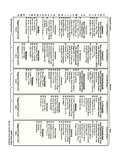
1 Purpose: The Sentence Builder chart is used to demonstrate many strategies and skills forsophisticated Sentence writing. This tool may be used to build elaborate, well-developed topicsentences/thesis statements, story openings, and powerful sentences with transitions. Making the Sentence Builder : There are eight colorful Sentence Builder Cards that includethe parts of speech (adjectives, nouns and verbs), modifiers (how, why, where, and when), andTerrific Transitions (transition words to connect sentences or signal words to cue the readerthat a new Sentence or paragraph is beginning). Laminate the Sentence Builder Chart. Put aVelcro button inside each of the dotted line boxes on the chart, and then the matching buttonson the back of each Velcro card. Directions: The following few pages include steps to build story openings for a narrative; atopic Sentence or thesis statement for expository writing; and also powerful sentences withtransitions. 1 2008 Nancy FetzerThe Sentence BuilderBuilding a Story Opening: Begin with a blank chart and follow the steps:Step 1: At the top of the chart on the three lines (see photo), write the secret formula S, C, arrow , the necessary components for a story opening.
2 The S is for setting (when and where). The C is for character (Who is driving the action?). The arrow is for action (What is the character doing? or What happened to thecharacter?).Step 2:Adhere the Velcro cards. Under Setting stick the when and where cards; Under Character stick the adjective and noun cards; Under the arrow stick the verb card. Step 3: Under each of the cards draw a simple picture for each part of the story opening( , a sun for when).Step 4: On sticky paper, write down words or phrases for each drawing ( , one sunny dayfor the sun). After filling the bottom of the chart with many sticky notes, then move different when, where, adjective, and verb sticky papers from the columns on the chart to the black rectangle to build a sophisticated story opening Example, using the sticky papers from the chart (see photo), the following story openingwas formed: One beautiful day in a grassy field, a sweet and kind girl was training her dog to do anew trick.
3 2 2008 Nancy FetzerThe Sentence BuilderBuilding a Topic Sentence /Thesis Statement: Begin with a blank chart and follow the steps:Step 1: At the top of the chart (see photo above), write S, S, light bulb , the secret formula or necessary components for a topic Sentence or thesis statement. The first S is for setting (when and where). The second S is for subject (Who or what is the information about?). The light bulb is for the big idea (What about the subject and why is it important?).3 2008 Nancy FetzerThe Sentence BuilderStep 2:Adhere the colorful Velcro cards. Under setting stick the when and where cards; Under subject stick the adjective and noun cards; Under big idea stick the verb and why cards. Please note: Setting is optional for a topic Sentence /thesis statement. Not all informational sentences have when or where words or 3: Under each of the cards draw a simple picture or key words for each part of the topic Sentence /thesis Sentence BuilderThe Sentence Builder4 2008 Nancy FetzerThe Sentence BuilderBuilding a Topic Sentence /Thesis Statement (continued): Step 4: On sticky paper, write down words or phrases for each drawing ( , over three-hundred years ago).
4 After filling the bottom of the chart with many sticky notes, then move different when, where, adjective, verb, and why sticky papers from the columns on the chart to the black rectangle to build a sophisticated topic Sentence or thesis statement. For Example, using the sticky papers from the chart (see photo), the following topic sentencewas formed: Over three-hundred years ago in the colonies, courageous patriots fought for Note: Topic sentences are in paragraphs. The topic Sentence tells the reader what theentire paragraph is about. The thesis statement is for multiple paragraphs. It is the statementthat tells the reader what the entire paper is Sentence BuilderBuilding a Powerful Sentence with a Transition for expository writing: Begin with a blank chart and follow the steps:Step 1: At the top of the chart (see picture), write the secret formula T, S, light bulb , the necessary components for a powerful informational Sentence with a transition. The T is for transition (Special words that move the reader from one idea to the next idea); The S is for subject (Who or what is the information about?)
5 ; and the light bulb is for the big idea (What about the subject? What information does the reader need to know?).Step 2:Adhere the Velcro cards. Under Transition stick the Terrific Transitions card; Under Subject stick the adjective and noun cards; Under the light bulb stick the verb and how, why, where, and when cards. Step 3: Under each of the cards write key words or draw a simple picture for each part of the topic Sentence /thesis statement ( , Indians for the subject or noun ).5 2008 Nancy FetzerThe Sentence BuilderBuilding a Powerful Sentence with a Transition for expository writing (continued): Step 4: On sticky paper, write down words or phrases for each key word or drawing ( , Subsequentlyfor the transition ). After filling the bottom of the chart with many sticky notes, then move some of the the different sticky papers from the columns on the chart to the black rectangle to build a sophisticated transition Sentence . For Example, using the sticky papers from the chart (see above), the following transitionsentence was formed: Subsequently, the fearless Native Americans followedthe bison across Note:Notice the sticky papers with verbs include the direct object.
6 Underline the verbon the sticky paper, so students are not confused which word is the 2008 Nancy FetzerThe Sentence BuilderSubsequently,the fearlessNatiiveAmericansfollowedthebison across theplains