Transcription of YOUR GUIDE TO POSITIVE PARENTING
1 YOUR GUIDE TO POSITIVE PARENTINGC hanges To The LawIn September 2006, the law on physical punishment was changed. If aparent harms his/her child through physical punishment, the defenceof reasonable chastisement will now only be considered if the harm isseen as accepts that children must learn right from wrong anddevelop the ability to get on with others. However, it is important toremember that you do not have a right to physically punish your childand you should, therefore, consider other methods such as a parent is a wonderful thing; however, it s not always , the information in this booklet will show you how you canuse techniques to GUIDE , nurture and encourage your child and buildyour confidence as a want our children to behave well, and to: have respect for themselves and others; be polite to others; know how to behave in different situations; be able to concentrate and pay attention; share and to take turns.
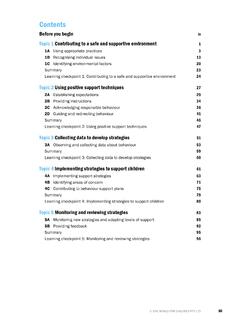
2 Know how to win and how to children often behave quite differently, and we may feel annoyed,frustrated and booklet suggests a few ideas to help you with your child of teenage children or children with a disability may faceadditional challenges and pressures, which are not addressed withinthis booklet. However, there are details of organisations that may beable to help in the contacts section at the back of this Behaviour4 What Makes Children Behave4In Challenging Ways?Coping Under Pressure5 Tips for Helping With6 Children s BehaviourTip 1: Talk and Listen6 Tip 2: Play8 Tip 3: Understanding Changes9As They GrowTip 4: Set Boundaries10 Tip 5: Reward and Notice Good Behaviour11 Tip 6: Build Self Confidence12 Tip 7: Have Realistic Expectations and13 Allow ConsequencesTip 8: Deal With Meltdown Moments Positively13 Tip 9: Look After Yourself16 Tip 10: When Things Are Getting Difficult17 Useful Contacts18 Comments233pageContentsChildren may: have tantrums; shout and scream; hit siblings, parents, friends; not do as they re told; break things, spill things, squash things; not listen or is not unusual.
3 Children are learning what happens when theyhave a tantrum, hit another child , say rude will always push against are checking outwhat their parents will draw the line at, what they can and can t helps them understand what is acceptable and what isn work out their own ways of looking after their no simple recipe; it takes time for children to learn how to behave,and for parents to work out the best way of getting the best out oftheir do not usually misbehave just to upset or annoy is often a reason behind a child s may be: they are upset or anxious about school; they feel jealous of their brother or sister; they want their parent to listen to them; they want their parent to spend time with patterns can get some point most children willmisbehave to get attention.
4 If a parent doesn t pay much attention4pageTop Tips for ParentsUsual BehaviourWhat makes children behave in challenging ways?when children are behaving well, some children will try acting up toget attention, even if it results in a telling with your child s misbehaviour can be stressful. Sometimes itcan seem like you re about to reach boiling need tofind ways toreduce thepressure in thehome and can doa lot to help theirchild s behaviourthrough fact, parents canmake thedifferencebetween theirchild s behaviourgetting out ofcontrol, andhelping themmanage everydaylife in better Under PressureAs we know, all children are to know your own child , and knowing what makes themangry or agitated can help you prevent angry or upsetting situationsbefore they and listening to your child helps them to understand what sgoing on: Language:Try to use POSITIVE yourchild what you want them to do, not what youdon t want them to do.
5 Instead of don t makesuch a mess try tidy up your toys please .This isan example of POSITIVE PARENTING . Change your tone:Your voice is a powerful changing your tone or volume can beenough to stop afraught situation orget your child to dowhat you want. Thiscan work equallywell with olderchildren. If you reactor speak in acompletely differentmanner to whichthey expected theymight be for Helping With children s BehaviourTip 1: Talk and Listen Listening:Your child istrying out his/her newlanguage and needs to beheard. Encourage your childto talk to you sit besidehim/her they ll find it easierto talk and listen to you ifyou re not standing overthem. Feelings:Help them find thewords to tell you how theyare feeling, even if it takestime. Explaining:If you have tosay no , give your child agood reason and offer analternative Rosie is playingwith the doll now, let s find youanother toy.
6 Involve your child :Wherepossible talk with them about the rules and what you expectfrom them. Be clear. Discussion:As they get older discuss the setting of rules them you love them, and show them by smiling, cuddling andkissing them when you are cross, or when you are nothappy with their need to realise that it s the behaviouryou don t like and not children are playing,they are less likely to be posting the remote controlin the bin or wrestling with a brother or sister! If you ve got a lot to doin a short space of time,set up an activity that will give you that allimportant extra half an is important and enjoyable,and children can learn a lot from need time to play on their own,with others and with theirparents,as long as they play few ideas for play might be: Painting, drawing and colouring:Children enjoy creatingworks of art and the messier the better!
7 Water:A washing up bowl of water and a couple of cups ora plastic jug can keep a toddler busy for ages. Imagination:Get out some teddies and dolls and createa tea party,a zoo made up of all sizes and shapes oftoys or arrange a shop ,with some of the(unbreakable) contents of your kitchen cupboards let their imagination run wild. Keep it simple:Try to keep abox of toys,crayons and playdough handy and make the mostof bath time for playing with acouple of cups and a sponge. Join in:Once you ve goteverything out of the way,take five minutes to getinto what your child isdoing show them thatwhat they re doing for Helping With children s BehaviourTip 2: PlayChildren s needs and understanding change as they grow, and whatmight be expected of a four-year-old can t be expected of a two-year-old: Exploring: Young children find out abouttheir world by touching, shaking, tasting,pouring, list is endless!
8 Thisisn t naughtiness, but a way of learningabout their world. Make your home toddler proof by storing valuables andbreakables away from your child so theycan explore safely. The mess of life with atoddler can be exhausting but think of allthe learning they re doing! Independence:Part of growingup for your child will be pushingagainst the boundaries andbecoming an individual. You canhelp them by letting them do asmuch for themselves as possible for young children, keep toys ata child s height, let them dressand feed themselves. Encouragement:Your child will learn what s ok to do from you,so give lots of praise and attention to good behaviour. If you onlypay attention to your child when they misbehave, they ll learn tomisbehave to get your 3: Understand Changes As They Grow Children need clear rules, boundaries and routine.
9 Be consistent. Parents need to agree the rules. It will help the child if bothparents take the same approach. When you say no, mean no. Keeping to this can be hard work,but if you have a few clear rules, it helps you and your children. If you make promises keep them. Rules should be simple and clear. Keep to as few rules as possible. Try one new routine at a time and get it working before movingon to the for Helping With children s BehaviourTip 4: Set Boundaries Sometimes it is easy to ignoreyour child when they arebehaving well, and only noticethem when they are love their parents attention, and if they have tobehave badly to get it, they them lots of praise whenthey are behaving well, ratherthan focussing on misbehaviour. Rewards do not have to bematerial things.
10 Real praise andencouragement is the bestreward as it can boost achild and build self-esteemand confidence. Try not to stress over thelittle things. If you are praising things they are doing well, andignoring the small niggles, your child will learn that unacceptablebehaviour no longer gets them the 5: Reward and Notice Good BehaviourBuilding your child s self confidence will help them to try out newthings, make friends and cope with the upsets and problems theymeet as they grow up. Finding out:Give your childthe chance to face newexperiences and challengeswith your support. Love:Tell your child that youlove them; it s great to smile,cuddle and kiss them. Independence:Don t try tosolve every problem for yourchild sorting it out forthemselves can be a boost totheir confidence.