Transcription of CHCMHS001 Work with people with mental health issues
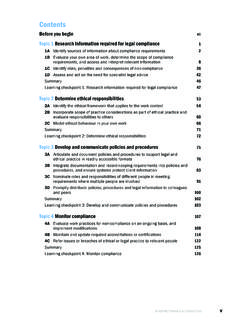
1 ASPIRE TRAINING & CONSULTING vContentsBefore you begin viiTopic 1 Establish respectful relationships 11A Communicate to develop and maintain respect and self-direction 21B Work in a way that prioritises the person s rights to direct their own recovery 81C recognise and respect the person s social, cultural and spiritual differences 131D Support the person to understand and exercise their rights 211E Maintain confidentiality and privacy of the person 26 Summary 30 Learning checkpoint 1: Establish respectful relationships 31 Topic 2 Determine the needs of people with mental health issues 352A Gather and interpret information about the person s needs 362B Discuss with the person strategies that support empowerment and recovery 432C Support the person to express their own identity and preferences without imposing own values 472D Identify duty of care and dignity of risk considerations with the person 50 Summary 53 Learning checkpoint 2.
2 Determine the needs of people with mental health issues 54 Topic 3 Work to meet aspirations and needs 573A Provide support to achieve a person s goals in collaboration with the person and others 583B Work in ways that uphold the person s rights 623C Adapt service delivery within organisation policies and procedures to meet the person s needs 713D Document interactions and services according to organisation policy and procedures 773E Respond promptly to support people experiencing distress or crisis 833F Work within own limits and make referrals to other services according to the person s needs 87 Summary 90 Learning checkpoint 3: Work to meet aspirations and needs 91 ASPIRE TRAINING & CONSULTING 1 Topic 1In this topic you will learn how to:1A Communicate to develop and maintain respect and self-direction1B Work in a way that prioritises the person s rights to direct their own recovery1C recognise and respect the person s social, cultural and spiritual differences1D Support the person to understand and exercise their rights1e Maintain confidentiality and privacy of the personEstablish respectful relationships Establishing respectful relationships provides the foundation to successfully support people affected by mental illness.
3 When respect, hope, trust and self-direction have been established, people can feel empowered. When people feel respected and understood, they are more willing to engage in an open and honest manner to work collaboratively towards recovery. As a mental health worker, you are required to work using a person-centred approach that prioritises the person s rights and assists them to make decisions to direct their own recovery. Developing respect requires you to recognise and respect a person s social, cultural and spiritual background and beliefs. If you avoid discrimination and prejudice and work in an environment that values access and equity principles, the person is more likely to feel supported and encouraged to contribute to their recovery. This topic explores changing attitudes to mental health in a historical and social context and looks at government policies and current economic circumstances that affect the mental health sector. Effectively engaging with people and establishing respectful relationships supports individuals to understand and exercise their ASPIRE TRAINING & CONSULTINGCHCMHS001 WORK WITH people WITH mental health ISSUESSome phrases that can be used to clarify information and understanding include the following.
4 Do you mean .. Let me see if I understand .. Correct me if I am wrong .. As I hear it .. From your point of view .. I wonder if .. Do you mean .. Let me see if I understand .. Exampleuse respectful languageJanifer is a mental health worker who visits people in their own homes. Janifer likes to treat everyone with the same respect regardless of their background. No matter what the task, who the person is or how she is feeling, Janifer always knocks on the door before she enters a client s home and uses effective communication strategies that best suit the person s needs; for example, speaking very clearly to people with hearing impairment. Janifer greets people by saying good morning or good afternoon . She explains what she plans to do for the day and checks that the individual is happy with the plan. She always says goodbye and clarifies the time and date of the next ASPIRE TRAINING & CONSULTING 9 TopiC 1 ESTAbLISH RESPECTFUL RELATIONSHIPSC ommitment to meeting the needs and upholding the rights of personsXXInform people about their rights at every stage of treatment and are laws (for example, the state-based mental health Acts) to ensure that rights of the person are upheld.
5 The National Standards for mental health Services provide guidelines for mental health service standards. encouragement of personal growth and development towards recovery and wellnessXXTreat people as individuals who have strengths and lots to offer their the person to manage their illness by being empowered with knowledge and information rather than becoming isolated and withdrawn from and guidelines of mental health workPrinciples are the main beliefs that help to determine shared goals. It is essential to identify and define the key principles of mental health work. This way, people can share the same understanding and work towards common outcomes. Some important mental health principles and their application to mental health work are listed here. focus on the person Address a person s disability but do not focus only on the on the person s abilities and strengths and work with them to improve their quality of and equity Promote fairness and provide people with the services they service based on the person s needs and delivery Community-delivered service provision is when you treat persons in the least restrictive environment, such as their home.
6 This means avoiding admission to hospital where there are enough community services to support this empowerment Give the person all the information and encourage them to make decisions about their own the person to exercise their rights and improve their self-esteem and individuals to manage and overcome the stigma of having mental illness. ASPIRE TRAINING & CONSULTING 11 TopiC 1 ESTAbLISH RESPECTFUL RELATIONSHIPSP rinciple of empowerment Empowerment is a major principle of the mental health sector and drives the way mental health workers support people with mental health needs. Empowerment is about power dynamics and encourages the idea that people with mental illness are the experts in their own lives. Empowerment supports these people and their families to make informed decisions and choices about their goals, needs and delivery of services. A disempowered person will find it difficult to make choices and decisions, and may see themselves only as a empowered person has:XXdecision-making power XXaccess to information and resourcesXXassertiveness XXunderstanding that people have rightsXXa positive self-image and overcomes stigmaXXcontributes to the development and management of mental health disempowered person:XXdoesn t feel they have a say in their own lifeXXcan t make choices or solve problemsXXstruggle to take on responsibilities such as managing their own health or being a productive employeeXXwill never be able to work or make their own way in lifeXXfelt little or no value as a to direct recoverySamantha was diagnosed with schizophrenia 15 years ago and spent many years in and out of hospital.
7 When she was first diagnosed she lost confidence in herself as a person and felt the illness took over her life. She lost her career as a dancer, her friends, her lifestyle and her sense of self. When Samantha is offered support she slowly begins to recover her identity. Her support worker, Helen, helps to find suitable housing, provides emotional and psychological support and instils in her a sense of hope that she can manage her symptoms and lead the kind of life she wants to. Helen never pushes Samantha or demands that she do things. Instead, they discuss options together and work on taking small steps one at a ASPIRE TRAINING & CONSULTINGCHCMHS001 WORK WITH people WITH mental health ISSUESU nderstand the history of the mental health sectorThe nature of mental health work has changed. During medieval times people with mental illness were tortured and isolated to control them and their behaviour. Treatments included chaining people up in small cells or throwing them into the freezing sea to shock the illness out of them.
8 Today, treatments use various medicines and therapies to manage a person s illness and improve their life. Treatments continue to improve. people with mental health needs now have the opportunity to lead fulfilling lives as a part of their community as there is an increasing acceptance and understanding of the needs of people with mental following provides information about how mental health work and treatments have changed over time and reflects changing attitudes and approaches to working with people with mental health changes in approaches to mental health needs1600sPeople believed supernatural or magical powers and medicine men could heal people with mental was blamed for mental illness. people were set free or cured by being burnt to Doctors started to believe that mental illness was caused by physical problems in the 1900sDoctors realised that the brain caused mental illness. Various therapies, including psychoanalysis, were developed.
9 Asylums and institutions were built to house and treat people with mental therapies were developed and used. These included new drug treatments and electroconvulsive therapy (ECT), which involved sending strong electrical currents to the person s 1900sDeinstitutionalisation of people from the asylums and institutions meant that people were no longer housed together and began to be treated in the community. Newer drugs, with fewer side effects, for mood and psychotic disorders were tried and is strong ongoing research into the causes of mental illness. A person-centred approach and empowerment models are working to increase the person s involvement in decisions. Development of drugs and different types of therapies is ASPIRE TRAINING & CONSULTINGCHCMHS001 WORK WITH people WITH mental health ISSUESC ollection, use and storage of informationThere are 13 Australian Privacy Principles that apply to the collection, use and storage of people s information.
10 Here is further information about how to handle personal , use and storage of personal information1 Open and transparent management of personal informationEnsures that organisations manage personal information in an open and transparent and pseudonymityRequires organisations to give individuals the option of not identifying themselves, or of using a pseudonym. Some exceptions of solicited personal informationOutlines when an organisation can collect personal information that is solicited. It applies higher standards to the collection of sensitive with unsolicited personal informationOutlines how organisations must deal with unsolicited personal of the collection of personal informationOutlines when and in what circumstances an organisation that collects personal information must notify an individual of certain or disclosure of personal informationOutlines the circumstances in which an organisation may use or disclose personal information that it marketingAn organisation may only use or disclose personal information for direct marketing purposes if certain conditions are disclosure of personal informationOutlines the steps an organisation must take to protect personal information before it is disclosed , use or disclosure of government-related identifiersOutlines the limited circumstances when an organisation may adopt a government-related identifier of an individual as its own identifier.