Transcription of CHCECE012 Support children to connect with their world ...
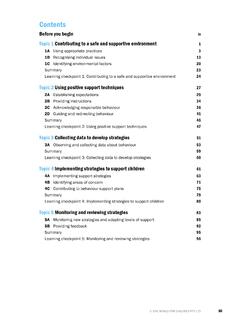
1 ContentsBefore you begin ivTopic 1 Supporting children to understand and respect the natural environment 11A Understanding the natural environment 31B Providing natural and recycled materials 101C Creating spaces that develop life skills 15 Summary 20 Learning checkpoint 1: Supporting children to understand and respect the natural environment 21 Topic 2 Identifying areas for change 252A Identifying sustainable practice 272B Developing strategies for improvement 34 Summary 39 Learning checkpoint 2: Identifying areas for change 40 Topic 3 Supporting others to implement sustainable practices 433A Involving children and communities 45 Summary 48 Learning checkpoint 3: Supporting others to implement sustainable practices 49 ONE world FOR children PTY LTD iii ONE world FOR children PTY LTD 1 Supporting children to understand and respect the natural environmentThe natural environment is full of wonders and joys that children can explore with you.
2 The beauty of natural colours and textures can be coupled with a range of reused and recycled items to provide a variety of activities and open-ended 1In this topic you will learn about:1A Understanding the natural environment1B Providing natural and recycled materials 1C Creating spaces that develop life skills ONE world FOR children PTY LTD 3 TOPiC 1 SUPPORTING children TO UNDERSTAND AND RESPECT THE NATURAL ENVIRONMENT1A Understanding the naturalenvironmentMost children have a fascination with the environment and the things they find living in it. They interact with natural materials and can be encouraged to appreciate their value and , caring for and appreciating the natural environment is far more beneficial to children than how it looks and what treasures it can hold. The future of our land, our health, plants and animals all reside in the knowledge children hold and the actions they take to care for the environment and maintain its health.
3 This is known as the foundation of environmental education is an understanding of ecosystems. This is about the interdependence of people, plants, animals and the land. Each of these parts needs the others if they are to remain are a few things to know about ecosystems:XXEcosystems are made up of soil, atmosphere, heat, light, water and living in the natural world is connected if one part suffers, this impacts other healthier an ecosystem, the less easily it can be role of each partEach part of an ecosystem has a crucial role to play. For example:XXSoil provides nutrients for plants and holds water for plants and atmosphere provides air for plants and animals, including people, to breathe; without the atmosphere we would have no life at sun provides warmth and heats up water, causing it to evaporate, which sends it into the atmosphere to make makes up a large part of the cells of living things, including people, and is necessary for keeping animals and plants refers to the variety of living things.
4 Living things contribute to the ecosystem as they provide food for other living things; for example, plants are food for animals and people. ONE world FOR children PTY LTD 5 TOPiC 1 SUPPORTING children TO UNDERSTAND AND RESPECT THE NATURAL ENVIRONMENTD iscussing the environment with childrenThere are a number of ways to involve children in discussion about the environment and many topics that you can investigate. The best opportunities to discuss the environment come when children ask about or speak about the environment. You may be:XXin a groupXXin the natural environmentXXinteracting with nature, the environment and animalsXXinteracting with man-made or non-sustainable products and this video about helping children appreciate the natural children to learn about the environmentThere are many ways to encourage children to enjoy and learn about the provide opportunities for children to engage with the environment, you may:XXuse the outdoor environment oftenXXinclude natural elements in the environment.
5 For example, plants, trees, edible gardens, sand, rocks, mud and waterXXencourage children to touch, feel, look and smellXXhave picnicsXXplant seeds and watch how they growXXvisit the zoo, museum or aquariumXXplan incursions with mobile farms and animal visitsXXuse reference books, online searches, pictures and posters, and the knowledge of parents, educators and others in the community, such as vets or zoologistsXXuse stories, songs, movement and poetryXXdiscuss different kinds of animals; for example, pets, farm animals, zoo animals, animals that fly, animals that live in the sea, animals that come from different parts of the world or animals that are a child expresses an interest in a topic, take the opportunity to make it a teachable moment. Some topics are simple and will only be discussed for a few moments, while others may evolve into large-scale ONE world FOR children PTY LTDCHCECE012 Support children TO connect WITH their WORLDP ractice task how you might model respect, care and appreciation of the environmentwhile working with children .
6 Give two the guidelines for environmental learning. Answer these element of the NQS focuses on sustainability? element of the NQS focuses on the environment? practice in the EYLF/MTOP mentions that children are responsible forcaring for the environment? outcome in the EYLF/MTOP mentions respect for the environment, andthe need for daily routines and practices to embed sustainability? responsibility in the ECA Code of Ethics states that you should work tohelp children understand the environment? down how these elements, practices, outcomes or responsibilities arerepresented in service policies and one of the discussion topics mentioned in this section. List three thingsyou might discuss with a child to develop their knowledge of this topic. ONE world FOR children PTY LTD 11 TOPiC 1 SUPPORTING children TO UNDERSTAND AND RESPECT THE NATURAL ENVIRONMENTMany books and websites provide ideas for setting up and using natural materials.
7 There are many useful resources available to Support early childhood educators to embed sustainable practices, including the Early Childhood Australia website ( ).Types of materialsMany different types of natural and recycled materials can be used in a variety of open-ended ways, both indoors and materialsYou can source natural materials from:XXthe gardenXXa garden centreXXtreasure huntsXXcraft storesXXan excursionXXart child s collectionIncorporate these materials into your plan of activities . The following table includes some ideasMaterials for indoors and outdoorsArtXXCharcoalXXSticks in wet sandXXWool (for weaving)XXLeaves (for printing)XXFeathers (for painting)Sensory playXXSandXXWater XXMudXXPebblesSorting activitiesXXSeed podsXXLeavesXXPebblesXXGumnutsXXShellsSc ienceXXFeathers and leaves (for floating)XXPebbles and shells (for sinking)XXSeeds and bulbs (for growing)XXGarden creatures, such as slaters, worms and caterpillars (for anatomy)XXPlants, seeds and plant partsXXFlowers, leaves and eggs (for differences) ONE world FOR children PTY LTD 15 TOPiC 1 SUPPORTING children TO UNDERSTAND AND RESPECT THE NATURAL ENVIRONMENT1C Creating spaces that developlife skillsOngoing discussion about the environment is important to the development of children s life skills.
8 children benefit from knowing about:XXgrowing and preparing foodXXwaste reduction and and preparing foodAn edible garden is a fantastic learning that children can learn about when involved in growing a garden include:XXlife cycles of plants, bugs and other animals in the gardenXXwhere foods come from, what they look like before we see them on our plates, and how to prepare themXXhow to care for plantsXXwhat role bees playXXhow the garden ecosystems workXXroles and responsibilities; for example, who is in charge of watering and who needs to weedXXcounting, measuring and comparing seeds and garden bedsXXsequencing; what comes first, second, third, ; for example, how long it takes for each plant to grow fruit, or which days of the week the garden should be fertilisedXXhorticulture; for example, the names of plant species, companion planting, landscaping, propagation or experiencesGardens are pleasant to look at, smell, observe over time and care for.
9 A garden area can be as small as a pot plant or window box. They can be built with raised garden beds or made from recycled love to get involved in the process of developing a garden. They can help you:XXplan the spaceXXcollect items they need on an excursionXXhelp write a letter to a supplierXXplace the items18 ONE world FOR children PTY LTDCHCECE012 Support children TO connect WITH their WORLDT here are many books, online articles and experienced gardeners that can help you get started with a garden project. Parents with knowledge and skills are one of your most valuable resources, and getting them involved serves many projectsA garden project can be started, completed and recommenced again and again. Each child is able to participate at different levels of interest and in different periods of time. A child who may not be excited by digging and sowing may love watering, weeding, harvesting or preparing.
10 The passion that a child develops for one aspect may evolve into an interest in may encourage children to:XXcreate their own learning story about the gardenXXdraw plants and make posters to tell others about the gardenXXdevelop a how to grow guideXXcreate a garden safety reduction and recyclingMost local governments have recycling programs in place. Your service will have a waste bin and hopefully a recycle bin. Green bins are also common and key to waste reduction and recycling are the three Rs:XXReduceXXReuseXXRecycleThe following table shows how to involve children in applying the three to doWhat you can do with childrenReduce Choose items that have less you walk through a supermarket or department store, notice how things are wrapped and packed. Most of this packaging is of no use when you open the choosing products that have less packaging, you can help reduce which types of packaging can be which purchases have the least packaging or ONE world FOR children PTY LTDCHCECE012 Support children TO connect WITH their WORLDP ractice task could a service implement practices that relate to recycling and reducingwaste?