Transcription of 2K THINNERS SPECIFICATION SHEET AND …
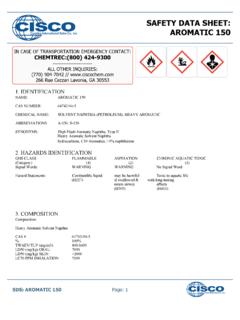
1 2K THINNERS cont/.. Director: Rodd 2K THINNERS SPECIFICATION SHEET AND MATERIAL SAFETY DATA SHEET Trade / Commercial Name Chemical formula Chemical family Un No ERG No Hazchem Code EAC 2K THINNERS Formulated chemical Aromatic hydrocarbons, ketones and acetates 1268 153 2x 60 Hazardous Components Hydrocarbon Solvents and Ketones PHYSICAL PROPERTIES PROPERTIES UNITS TYPICAL VALUES Boiling Point 760mm HG Deg. Celsius 67 95 C Melting Point (pour pt) Deg. Celsius Less than 40 C Vapour pressure (at 40 C) 2 400 mm Vapour density (Air = 1) 2 Distillation Range (IBP C) 10 = 70 50 = 102 90 = 143 FBP = 160 Density at 20 C Kg/l 0,821 Residue on evaporation (100ml) Mg/kg Less than 0,01 Flash point Deg.
2 Celsius Less than -5 C Colour Saybolt +30 Contents - Ketones, Acetates and Aromatic Hydrocarbons Solvent type % v/v Active 24 ; Latent 13 ; Diluent 63 2K THINNERS cont/.. Director: Rodd -2- HAZARDOUS COMPONENTS COMPONENTS HAZARD DATA Various alcohols TLV = 200 1000 ppm Various ketones TLV = 750 2000 ppm Various acetones TLV = 150 400 ppm Various hydrocarbons TLV = 400 1000 ppm SPECIAL PROTECTION DATA Ventilation requirements Area must be well ventilated Respiratory (in detail) Air supplied respirator for high concentrations Eyes Safety goggles Gloves Rubber gloves FIRE AND EXPLOSION DATA Flash point (test method) 0 20 degrees C (closed cup)
3 Auto ignition 400 440 degrees C Flammable limits in air & by volume Lower: 1,8% Upper: 12,8% Extinguishing media Alcohol foam, CO2, dry chemical Special fire fighting procedures Avoid using water as extinguishing media as it spreads the flame Unusual fire and explosion hazards None SPILL OR LEAK PROCEDURES Steps to be taken if material is released or spilled Not pertinent Neutralizing chemicals waste disposal method Mop up with plenty of water and run to waste, diluting greatly with running water. Ventilate area well to evaporate remaining liquid and dispel vapour 2K THINNERS cont/.
4 Director: Rodd -3- HEALTH HAZARD INFORMATION Emergency overview: clear liquid corrosive to skin and mucous membranes Medical conditions aggravated by exposure: dermatitis, existing respiratory disease and existing liver and kidney disease. Causes Symptoms Emergency and first aid procedures Inhalation (Breathing) High vapour concentrations may be irritating to the eyes, nose and respiratory tract. May cause headaches, dizziness and nausea. Use with adequate ventilation. Repeated inhalation may cause lung damage.
5 Irritating to mucous membranes and acts as an anaesthetic in very high concentrations. If patient is overcome, remove to fresh air and call a physician. Administer artificial respiration if breathing is irregular or has stopped. Note : do not use mouth to mouth. Use a pocket mask with a one way valve. Skin Contact / Absorption May cause skin irritation and/or dermatitis. Prolonged excessive contact causes defatting and drying out of the skin. Remove and isolate contaminated clothing and shoes. Avoid spreading material on unaffected skin.
6 Wash well with soap and water. Keep warm and quiet. 2K THINNERS cont/.. Director: Rodd -4- Causes Symptoms Emergency and first aid procedures Eye Contact Contact will cause irritation and/or burns. Irritation to eye caused at concentrations greater than 500 ppm. Flush thoroughly with water for at least 15 minutes, within 1 minute of contact. Hold eyelids open while washing. In severe cases, obtain medical attention. Ingestion (Swallow) May cause pulmonary damage or chemical pneumonitis, if aspirated into the lungs.
7 Toxic if swallowed. If victim is still conscious and not having convulsions, induce vomiting and obtain medical attention promptly. Administer vegetable oil. Carcinogenicity NTP not listed IARC not listed OSHA not listed Acute over-exposure If present in high concentrations, vapours cause moderate irritation of eyes and respiratory systems. Effect is temporary. FIRE FIGHTING MEASURES Carbon dioxide, foam and dry chemical. Fire involving Tanks or Bulk Containers: Fight fire from maximum distance or use unmanned hose holders or monitor nozzles.
8 Do not get water inside containers. ALWAYS stay away from the ends of tanks. Cool containers with flooding quantities of water until well after fire is out. Withdraw immediately in case of rising sound from venting safety devices or discoloration of tank. Isolate spill or leak area immediately for at least 25 to 50 metres (80 to 160 feet) in all directions. Keep unauthorized personnel away. Stay upwind. Keep out of low areas. Ventilate enclosed areas. Wear positive pressure self-contained breathing apparatus (SCBA). Wear chemical protective clothing, which is specifically recommended by the manufacturer.
9 Structural firefighters protective clothing is recommended for fire situations ONLY; it is not effective in spill situations. If ROAD OR RAIL TANKER is involved in a fire, ISOLATE for 800 metres (1/2 mile) in all directions, also, consider initial evacuation for 800 metres (1/2 mile) in all directions. 2K THINNERS cont/.. Director: Rodd -5- HANDLING AND STORAGE Store between 0 and 28 C. Keep out of direct sunlight. Empty containers may retain hazardous residue and explosive vapours. Keep away from heat, sparks or flame.
10 Do not cut, puncture, or weld on or near this container. Follow label warnings until container is thoroughly cleaned or destroyed. ACCIDENTAL RELEASE MEASURES PRECAUTIONS: Absorb with fire retardent treated sawdust, diatomaceous earth etc. Shovel up and dispose at an appropriate waste disposal facility. Restrict access to area. Provide adequate protective equipment and ventilation. Remove sources of heat and flame. Notify occupational and environmental authorities. SPILL OR LEAK: ELIMINATE all ignition sources (no smoking, flares, sparks or flames in immediate area).