Example: quiz answers
Bio-Bridge Initiative
technical and scientific cooperation (TSC) approaches. To be eligible, project ... and the ecosystem approach, on interlinkages between biodiversity and health (including human, wildlife, crop, livestock, and ecosystem health) to address the common drivers of ... • A risk management strategy with clear mitigation measures described
Tags:
Information
Domain:
Source:
Link to this page:
Related documents

IUCN Global Standard for Nature-based Solutions
portals.iucn.orglandscape restoration, integrated water resource management, ecosystem-based adaptation and mitigation, and ecosystem-based disaster risk reduction, several of which were first developed and promoted by IUCN in the late 1990s and early 2000s. Since then, governments, business, academia and non-government actors have continued to

Wetlands and Ecosystem Services
www.cbd.inta universal agenda that, for the first time, recognises the need for restoration and management of water-related ecosystems, including wetlands, as a basis for addressing water scarcity and water risks. Wetlands are a solution for several key challenges around the world related to water, food and climate, and key to meeting the SDGs.
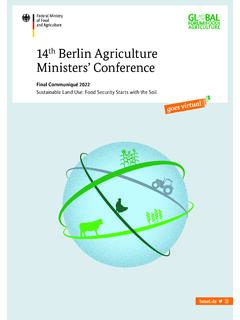
14th Berlin Agriculture Ministers’ Conference
www.gffa-berlin.deforest management. We appreciate the abundant expertise of respective international organisations. 16. We recognise the importance of promoting and improving public and private research and innovation in the fields of sustainable land, soil and water management. Research and innovation is also needed for land, soil and ecosystem restoration.
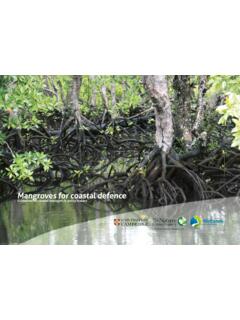
Mangroves for coastal defence - The Nature Conservancy
www.nature.orgmangrove management approaches and references to background information, practical tools for risk assessment and mangrove management are provided throughout the book. restoration build and bind soils tsunami storm surges planning risk reduction aquaculture sediment waves coast subsidence vulnerability fresh water flow

“Biodiversity and Sustainable Development: A Critical ...
www.ijser.orgecosystem and landscape level. Poaching and trade in wildlife species are among the most important concerns in the management of protected areas today but information on poaching, trade, and trade routes is sketchy and current wildlife protection and law enforcement measures are inadequate and inefficient.8

GUIDELINES FOR APPLYING THE PRECAUTIONARY …
www.iucn.orgmanagement. The term natural resource management (NRM) in the Guidelines refers only to the management of living natural resources. These guidelines have been formulated through focusing on forestry, fisheries, protected areas, invasive alien species, and wildlife conservation, management, use and trade. They may
FORESTS - Climate Change, Biodiversity and Land Degradation
unfccc.intForests cover approximately 30% of the Earth’s land surface and provide critical ecosystem goods and services, including food, fodder, water, shelter, nutrient cycling, and cultural and recreational value. Forests also store carbon, provide habitat for a wide range of species and help alleviate land degradation and desertification.