Transcription of BSBCUS403 Implement customer service standards
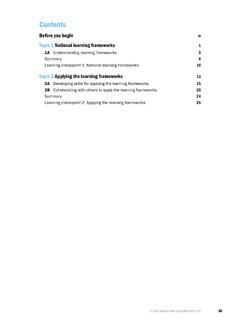
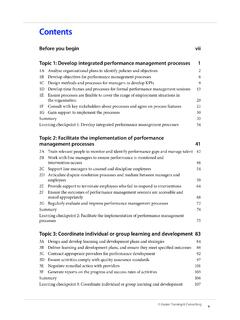
1 Aspire Training & ConsultingvContentsBefore you begin viiTopic 1: Contribute to quality customer service standards 11A Access, interpret, apply and monitor customer service standards 21B Contribute to the development, refinement and improvement of customer service standards , policies and processes 19 Summary24 Learning checkpoint 1: Contribute to quality customer service standards 25 Topic 2: Implement customer service systems 292A Encourage personnel to consistently Implement customer service systems 302B Review customer feedback in consultation with others, identify problems and make adjustments 392C Communicate adjustments to service delivery to all involved, within time frames 542D Coordinate and manage delivery of services and products to ensure they meet quality standards 68 Summary74 Learning checkpoint 2: Implement customer service systems 75 Topic 3: Implement team customer service standards 793A Plan and Implement team and work activities, and identify resources to meet customer needs and expectations 80 Summary93 Learning checkpoint 3: Implement team customer service standards 942 Aspire Training & ConsultingBSBCUS403 Implement customer service standardsCustomer service standards are established by organisations to provide procedures and guidelines for employees when dealing with customers.
2 The image presented to customers, the ways employees communicate and treat customers, and their knowledge of products, services and customers needs all have an enormous effect on the success of an organisation. As a manager, team leader or supervisor, you must be able to access, interpret, apply and monitor customer service standards in the workplace according to organisational standards , policies and procedures. This allows you to plan and prepare customer service strategies and accurately communicate these to your team members. Identify customersCustomer service extends beyond those people who purchase your products and services . From a management viewpoint, customers may represent a variety of may be new, existing or previous clients of your organisation. Their requests for goods or services may be routine or special, depending on the nature of your business and the customers specific your work, you are likely to meet people with different interests, backgrounds, cultures and experiences.
3 You may deal with customers who do not speak English very well. Some customers may be angry, aggressive or annoyed. Some may have a disability. Here is a list of customer types that organisations may customers Internal customers are those from within the organisation who depend on you and your team to provide customer service , such as other managers and colleagues from other teams. External customersExternal customers are people who purchase and consume the products and services of the organisation. This is most commonly consumers, although other businesses can also represent your external Access, interpret, apply and monitor customer service standards6 Aspire Training & ConsultingBSBCUS403 Implement customer service standardsCustomer service modelsA customer service model demonstrates how an organisation manages the various elements of customer service .
4 It is generally presented as a flow chart or similar service models often focus on strategies to increase customer satisfaction while reducing costs and conflict. Implementing an organisational model that focuses on service improvement is essential for achieving wider organisational goals and objectives. Successful customer service models require the continual updating of standards , policies and procedures to meet customers needs. These models take many forms and can be represented in a variety of ways. Here is an example of a customer service customer feedbackIncrease customer loyaltyProvide quality customer serviceMeet customer expectationsHandle customer complaintsRetain customersRespond to customer queries and issuesCustomer service modelCustomer service documentationCustomer service standards , policies and processes allow you to set benchmarks that your team members must meet.
5 For example, if you have a standard for serving customers that involves being courteous or completing transactions within a certain time, you can provide a positive experience to your customers, suppliers and distributors in their dealings with you. Customers who have a positive experience are more likely to become repeat customers and are less likely to complain about your organisation. Having formalised customer service processes in place can save you time and money by increasing efficiency. Your team members will be more productive and efficient if there is a set of processes to follow and, as a manager, you can spend less time overseeing the day-to-day running of the business. Processes can also improve the consistency of product and service delivery by your Aspire Training & ConsultingBSBCUS403 Implement customer service standardsRole and responsibilities of customer service managers Identify and understand who the organisation s customers are.
6 Analyse customer service needs. Have thorough understanding of products and services . Be familiar with the customer service charter, standards and best practice. Resolve customer complaints. Coach, mentor and train team members in customer service skills. Review customer customer service standardsAs a manager, you should be familiar with your organisation s customer service standards as a framework for developing and maintaining an acceptable level of customer service . customer service standards , incorporating protocols, policies and procedures, may be documented and stored in a paper-based manual, electronic file or an organisation s intranet. You should be familiar with the methods and technology your organisation uses to collect and distribute its customer service standards to ensure you can accurately direct your team members to the information.
7 For example, each customer service officer should have a copy of the customer service charter handy for quick reference when customer service standardsIt is important that your team members are involved in the setting of standards to be applied in their particular work area. This will ensure they know what the standards are and how to apply them. Managers should regularly review the customer service standards that have been set and determine where improvements could be made. Assist your team members to interpret customer service by: being a role model in terms of behaviour, attitude and compliance with standardsand systems recognising and applying organisational protocols encouraging fair and ethical practices in customer service encouraging non-discriminatory work practices providing strategies for achieving both work and personal goals providing feedback and encouragement to team members in applying the customer service standardsCustomer service standards , protocols and procedures should be applied to all areas that have customers, whether they are internal or external.
8 Team members working within public contact areas and, where applicable, internal service delivery areas should Implement strategies that demonstrate the organisation s customer service standards and organisational are the areas in which customer service standards commonly Aspire Training & ConsultingBSBCUS403 Implement customer service standardsBusiness hoursCustomer service policies should outline the hours when the organisation is open for business, as well as the hours when customers can contact of responsibility between departmentsOutline which person, team or department is responsible for which areas of customer service . This is particularly important for larger organisations where collaboration between people or departments is required when serving customers. For example, the charter could state which person, team or department is responsible for: receiving customer inquiries serving customers in the ordering process taking customer orders processing customer orders resolving customer complaints and policyThe pricing policy outlines the organisation s overall pricing policy.
9 This is usually done broadly in terms of where the business prices itself in the market (high-end versus low-end) and may include a commitment to guarantee the lowest cost, or to match or beat competitors , returns and exchanges policyThe refunds, returns and exchanges policy outlines the circumstances under which the organisation allows customers to return or exchange items and under what conditions refunds are issued. This needs to be clear and specify things like the time frame in which products can be returned, any purchase amount limits that apply, staff/manager approval required and presentation of receipt and warranties in effectA guarantees and warranties policy outlines the guarantees and warranties that the organisation provides on its products and services . These need to be specific and clear to meet legal guidelines and to provide the customer with an accurate view of any conditions or restrictions that may apply in order to prevent misunderstandings later service charter: external customersHere is a section of a customer service charter that describes the behaviours expected of staff towards their external customers.
10 Aspire Training & Consulting19To p i c 1 Contribute to quality customer service standardsCustomer service standards formalise the level of customer service you aim to provide and what practical things you must do to achieve this. The standards set a target for organisations to meet customer needs through the use of its people, systems and technology. Establishing quality customer service standards in your organisation requires commitment from yourself and your team members to plan, develop, Implement and sustain the standards . It also involves training and important aspect of your role is to make contributions to your organisation s customer service operations to better meet the needs of the organisation and its customers. Contribute to developing the customer service modelThe customer service model, plan or program within your organisation should be regularly monitored and reviewed to ensure it continues to meet customer needs and remains in line with customer service trends and customer expectations.