Transcription of BSBMGT403 Implement continuous improvement
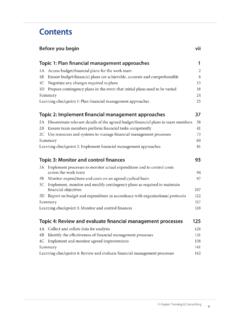
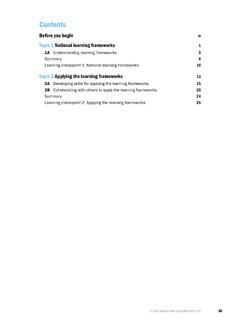
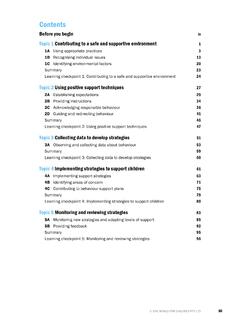
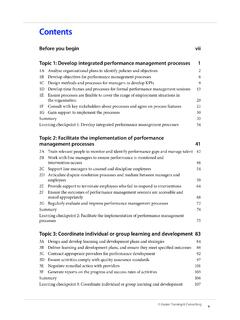
1 Aspire Training & ConsultingvContentsBefore you begin viiTopic 1: Implement continuous improvement systems and processes 11A Implement systems so team members can actively participate 21B Communicate continuous improvement processes and obtain feedback 111C Ensure effective mentoring and coaching 22 Summary25 Learning checkpoint 1: Implement continuous improvement systems and processes 26 Topic 2: Monitor and review performance 332A Use systems and technology to monitor and review progress 342B Improve customer service through continuous improvement 502C Formulate and communicate recommendations for adjustments 56 Summary61 Learning checkpoint 2: Monitor and review performance 62 Topic 3: Provide opportunities for further improvement 673A Inform the team of improvements 683B Document work performance 763C Manage records, reports and other data 82 Summary85 Learning checkpoint 3: Provide opportunities for further improvement 862 Aspire Training & ConsultingBS BMGT4 03 Implement continuous improvementA key responsibility of a team leader is to encourage and support each member of the team to function effectively by taking responsibility, making appropriate decisions and offering ideas to enhance the team s work practices.
2 This will be easy to do if there are systems and processes in place that allow team members opportunities to work independently and exercise initiative. It is up to the team leader to see that systems are developed and implemented to promote continuous and informal systemsContinuous improvement systems and processes can be formal, such as an organisation-wide quality assurance system that is externally audited and involves regular review meetings and surveys, or informal, such as processes where team members are encouraged to contribute ideas through a suggestion box. The degree to which processes are systemised is not as important as finding the most effective means to encourage and support staff to work in a way that will benefit their organisation. Most managers use a combination of both formal and informal systems.
3 They draw from and Implement standard operating procedures, use their management skills to create a culture focused on continuous improvement within their own teams, and devise systems that support this a variety of organisational systemsManagers need to use a variety of systems or processes to encourage individual and team effectiveness through improved participation, responsibility and initiative. They also need to select an appropriate system or combination of systems to suit different workplace are some types of organisational systems that are used to create and encourage effective workplace systems organisational procedures and policies Web-based communication devices Forums Meetings Newsletters Reports Suggestion boxes1A Implement systems so team members can actively participate8 Aspire Training & ConsultingBS BMGT4 03 Implement continuous improvementReports often include statistics or numerical information.
4 When including this type of information, remember that different readers respond to different methods of presentation. For example, statistics on customer complaints can be presented in a graph, table or paragraph use reports effectively: make sure the report is appropriate for the intended audience and remember that it maybe passed on to others structure the report clearly try to keep the report as brief as possible link the content of the report to organisational , individual or team : manager s reports help team focusNick is the manager of a customer service team that uses reporting to communicate information, track trends and identify areas where the company can improve its has designed templates for his team to use when they are preparing reports, which they do on a fortnightly basis. Each report is two pages long.
5 When a new team member starts, he spends time with them explaining the importance of good reporting . He shows how the template works and gives them examples of useful reports and ones that were not as effective. Each fortnight Nick uses his team members individual reports to compile his own report to present to provides his team members with a copy of the management report each fortnight so they can see how their reports are used and why they are so important. He makes sure he follows up issues raised in the reports and addresses individual or team concerns in an appropriate setting such as in team or one-on-one the reports take each team member an hour to prepare, no-one minds writing them. Nick makes sure the reports are the focus for their team activities and goals and underpin all continuous improvement and operational boxesAn informal way to encourage team members to participate in continuous improvement is to instigate a suggestion box.
6 The box should be centrally located. The team leader should encourage any ideas and make no judgment about what is included. Suggestions that go in the box could be anonymous or people could sign them if they want to. In this way, everyone should feel able to say what they want. It is important to act on the suggestions by opening the box regularly and discussing the issues that for using a suggestion box: Ensure people know that they do not have to use their name. Encourage all types of ideas. Check the box regularly. Discuss each suggestion with the team. Follow up each Aspire Training & Consulting17To p i c 1 Implement continuous improvement systems and processes3 Describe, don t judgeIf you receive a complaint about a team member, don t say You haven t been doing your job properly . Instead, tell them what information you have that is of concern and ask them to comment on to specific behavioursDon t give feedback good or bad on a feeling or general impression you have.
7 Make sure it is related to an actual event, activity or observed questions rather than make statementsIf you have something negative to say, rather than simply telling someone you re unhappy with them, ask them what they think they could do to improve the situation, or how you could key issues and restrict yourself to themEven if you have some serious issues with a particular team member, take it one step at a time. Avoid making general, broad-based on behaviours or skills an individual or team can improve on. If it is something beyond their, or your, control, acknowledge and tackle these issues with people who can make a positive feedbackDon t just focus on the negative things make sure you spend time congratulating people on a job well done and acknowledging areas in which people have made an effort to and the change processSome organisations, particularly those with formal quality processes and policies in place, have a strict process that must be followed for collection of feedback, assessment of ideas and implementation and measurement of changes to product or service offerings are suggested, the process for change will usually involve the people responsible for product and service development.
8 This could be a marketing unit, product development team or other group. Some organisations have a process to follow when problems occur with a product or service, or when proactive ideas for improvement arise. The process might involve talking to a member of the relevant team or sending an email with your suggestion in it. Standard operating procedures within other organisations may stipulate that all such correspondence be directed through managers. Aspire Training & Consulting19To p i c 1 Implement continuous improvement systems and processesPlan tasksInformal system Work out what micro steps need to take place in order forthe idea or suggestion to take system Team debates ideas presented and ranks the ideas basedon their likely impact on improvement . Team votes on whether to amend the current processbased on the information provided in the relevantform, costs and benefits of the suggestion and how itcontributes to organisational processInformal system Create tools and communicate new process.
9 Make sure everyone has access to materials or toolsand are trained (if necessary) on their use and the newprocess. Alert other departments that may be impacted by system Follow the continuous improvement process thatincludes clear steps on what needs to be done, forms,communication templates and approval processes for theuse of new tools and and monitorInformal system Ensure the change is evaluated by formal or informalmeans and is checked regularly to ensure it is makingpositive changes that are linked to the organisation sgoals or team system Review the new process weekly (for the first month) forcompliance and effect. If there are problems, a team member works to addressthese and, if necessary, convenes a special meeting ofthe team. If all is going well the process is checked againin one month and then a change systemIn encouraging and supporting your team to participate in continuous improvement efforts, an implementation system for changes can be useful.
10 A change system need not be complicated or take up a lot of time. At the minimum it can work as a checklist, making sure that when changes are made they are as effective as they can be. Setting up a system may involve getting approval and agreement from other departments that may be involved in the process. Aspire Training & Consulting21To p i c 1 Implement continuous improvement systems and processesA record of data A record of data for example, a record of customer complaints following aservice improvement to compare before and after Surveys and questionnaires that use statistical and non-statistical information for example, asking customers questions that rank product effectiveness before and after an improvement is Auditing companies that use formal quality systems (such as ISO systems)need to have them audited by a registered quality sources of data Other data such as reports and other information available from staff orrecording mechanisms can also indicate the effectiveness of any systems, processes, products or task 2 Within your organisation or one that you are familiar with, describe what you and your team would need to do to pass on ideas and suggestions to improve: current processes and systems you follow (such as standard operating procedures, quality stepsand workplace safety procedures) services or products your organisation offers.