Transcription of BUSINESS STUDIES (Code No. 054) - CBSE
1 BUSINESS STUDIES (Code No. 054). Rationale The courses in BUSINESS STUDIES and Accountancy are introduced at + 2 stage of Senior Secondary Education as formal commerce education is provided after first ten years of schooling. Therefore, it becomes necessary that instructions in these subjects are given in such a manner that students have a good understanding of the principles and practices bearing in BUSINESS (trade and industry) as well as their relationship with the society. BUSINESS is a dynamic process that brings together technology, natural resources and human initiative in a constantly changing global environment.
2 To understand the framework in which a BUSINESS operates, a detailed study of the organisation and management of BUSINESS processes and its interaction with the environment is required. Globalisation has changed the way organizations transact their BUSINESS . Information Technology is becoming a part of BUSINESS operations in more and more organisations. Computerised systems are fast replacing other systems. E- BUSINESS and other related concepts are picking up fast which need to be emphasized in the curriculum. The course in BUSINESS STUDIES prepares students to analyse, manage, evaluate and respond to changes which affect BUSINESS .
3 It provides a way of looking at and interacting with the BUSINESS environment. It recognizes the fact that BUSINESS influences and is influenced by social, political, legal and economic forces. It allows students to appreciate that BUSINESS is an integral component of society and develops an understanding of many social and ethical issues. Therefore, to acquire basic knowledge of the BUSINESS world, a course in BUSINESS STUDIES would be useful. It also informs students of a range of study and work options and bridges the gap between school and work.
4 Objectives: To inculcate BUSINESS attitude and develop skills among students to pursue higher education, world of work including self employment. To develop students with an understanding of the processes of BUSINESS and its environment;. To acquaint students with the dynamic nature and inter-dependent aspects of BUSINESS ;. To develop an interest in the theory and practice of BUSINESS , trade and industry;. To familiarize students with theoretical foundations of the process of organizing and managing the operations of a BUSINESS firm.
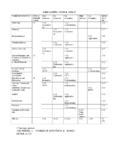
5 To help students appreciate the economic and social significance of BUSINESS activity and the social cost and benefits arising there from;. To acquaint students with the practice of managing the operations and resources of BUSINESS ;. To enable students to act more effectively and responsibly as consumers, employers, employees and citizens;. BUSINESS STUDIES (Code No. 054). CLASS XI (2019-20). Theory: 80 Marks 3 Hours Project: 20 Marks Units Periods Marks Part A Foundations of BUSINESS 1 Nature and Purpose of BUSINESS 18 16. 2 Forms of BUSINESS Organisations 24.
6 3 Public, Private and Global Enterprises 18 14. 4 BUSINESS Services 18. 5 Emerging Modes of BUSINESS 10 10. 6 Social Responsibility of BUSINESS and 12. BUSINESS Ethics Total 100 40. Part B Finance and Trade 7 Sources of BUSINESS Finance 30 20. 8 Small BUSINESS 16. 9 Internal Trade 30 20. 10 International BUSINESS 14. Total 90 40. Project Work 30 20. Part A: Foundation of BUSINESS Concept includes meaning and features Unit 1: Evolution and Fundamentals of BUSINESS Content After going through this unit, the student/ learner would be able to: History of Trade and Commerce in India: To acquaint the History of Trade Indigenous Banking System, Rise of and Commerce in India Intermediaries, Transport, Trading Communities: Merchant Corporations, Major Trade Centres, Major Imports and Exports, Position of Indian Sub-Continent in the World Economy.
7 Understand the meaning of BUSINESS meaning and characteristics BUSINESS with special reference to economic and non-economic activities. Discuss the characteristics of BUSINESS . BUSINESS , profession and employment- Understand the concept of Concept BUSINESS , profession and employment. Differentiate between BUSINESS , profession and employment. Objectives of BUSINESS Appreciate the economic and social objectives of BUSINESS . Examine the role of profit in BUSINESS . Classification of BUSINESS activities - Understand the broad categories of Industry and Commerce BUSINESS activities- industry and commerce.
8 Industry-types: primary, secondary, tertiary Describe the various types of Meaning and subgroups industries. Commerce-trade: (types-internal, external; Discuss the meaning of commerce, wholesale and retail) and auxiliaries to trade and auxiliaries to trade. trade; (banking, insurance, transportation, Discuss the meaning of different warehousing, communication, and types of trade and auxiliaries to advertising) meaning trade. Examine the role of commerce- trade and auxiliaries to trade. Understand the concept of risk as a BUSINESS risk-Concept special characteristic of BUSINESS .
9 Examine the nature and causes of BUSINESS risks. Unit 2: Forms of BUSINESS organizations Sole Proprietorship-Concept, merits and List the different forms of BUSINESS limitations. organizations and understand their meaning. Identify and explain the concept, merits and limitations of Sole Proprietorship. Partnership-Concept, types, merits and Identify and explain the concept, limitation of partnership, registration of a merits and limitations of a partnership firm, partnership deed. Types Partnership firm. of partners Understand the types of partnership on the basis of duration and on the basis of liability.
10 State the need for registration of a partnership firm. Discuss types of partners active, sleeping, secret, nominal and partner by estoppel. Hindu Undivided Family BUSINESS : Understand the concept of Hindu Concept Undivided Family BUSINESS . Cooperative Societies-Concept, merits, Identify and explain the concept, and limitations. merits and limitations of Cooperative Societies. Understand the concept of consumers, producers, marketing, farmers, credit and housing co- operatives. Company - Concept, merits and limitations; Identify and explain the concept, Types: Private, Public and One Person merits and limitations of private and Company Concept public companies.