Transcription of Carriage Road - NPS
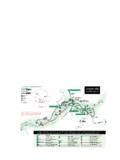
1 Acadia National Park National Park Service Department of the Interior Carriage road User's Map JORDAN POND DETAIL. Rules and Regulations . Jordan Carriage roads are closed to motor Pond Visitor Center vehicle use.. Bicycles are prohibited on privately 14..5 owned Carriage roads..2. Jordan Pond House .9. 15.. Horses are prohibited on the Witch 3..2. 1..1 .2 Hole Pond and Paradise Hill Loops and 2 the Eagle Lake Loop, except between 16. 20 intersections 7 and 8..6. 1. Witch 0..3. 21 .1 Hole Pets must be restrained on leashes six 3. 25..2 .3 Pond feet or less. 24 29. 23. 26 .2 Hiking trails are closed to bicycles and 5..4..3 .3..5. horses. 22 28 30 Swimming, wading, and pets are 4 prohibited in public drinking water .4. 27..1. supplies. Please respect posted .3.. Bikes prohibited on Bar . private Carriage roads .5 regulations at lakes and ponds. 31. Harbor Carriage road 32.. Park Courtesy and Safety . Headquarters 233 Bicyclists yield to all users.
2 Everyone 6 . yields to horses, which can be startled by 9..1. sudden movements. Slow down! Speeding can be hazardous. Bicycling on the Carriage roads is a major Aunt cause of visitor injuries at Acadia. Betty . Pond Be prepared to stop. Sudden stops are . 11 dangerous on loose gravel. Stay to the right. Give a clear warning Eagle Lake before passing on the left. Move to the side when stopped. Wear a helmet and carry plenty of water. 3. Leave no trace. Carry out what you 8 7 carry in. 198 You may encounter heavy machinery .1. 10 Cadillac N. 10. Mountain and trucks used for Carriage road S. maintenance. Please be careful. Winter issues: Snowmobiles may travel on the Carriage Bubble Pond road on the east side of Eagle Lake. Please use caution. Please refrain from walking or snowshoeing in ski tracks and keep dogs and horses out of ski tracks. Jordan Pond 12. Fare-Free Acadia Shuttles 13 .3. SEE DETAIL MAP Help reduce pollution and tra c congestion ride the bus!
3 From late June 14 through Columbus Day, you can ride Upper fare-free Island Explorer buses to the Hadlock 15. Carriage roads. Bus routes link hotels Pond and campgrounds with popular park 20 16 destinations. For more information, pick 3. 1. 17 up the Island Explorer schedule at Hulls 21. 23 25. 18 19 24 29. 37 Cove Visitor Center or park headquarters. to Blackwoods The fare-free buses are funded in part .2. 26 Campground Lower .9 Day by your Acadia National Park entrance Mountain Hadlock .6..2 (to Route 198) 22 28 30 .6. pass please buy your park pass! Pond 27. 38. Carriage road Bridges 31 1. Carriage Roads 5..6. 32 Numbered Intersection Signposts Mileage Between Signposts Bikes prohibited on .7. 36 Primary Roads private Carriage roads Seal Secondary Roads 33..2 34..5 Harbor Park Loop road Hiking Trails (bicycles and horses prohibited). Lakes and Ponds .3. 3 Acadia National Park .4..6. (to Route 3) Private Property Northeast Drinking Water Harbor Island Explorer Bus Stop Food Service Parking 0 1 2 Ranger Station Miles Restrooms (some closed in winter).
4 Left to right: Bicyclists near Eagle Lake, Jordan Pond Gate Lodge, horseback riders, Waterfall Bridge The Carriage Roads of Acadia National Park Forty- ve miles of rustic State-of-the-Art Roads reinforced concrete, but the use of native stone for the facing gives them a natural appearance. Over time, the Carriage roads, the gift of Acadia's Carriage roads are the best example of broken- stone cutters grew very skilled and Rockefeller often philanthropist John D. Rockefeller stone roads a type of road commonly used at the turn requested them not to cut the facing too well lest the of the 20th century in America today. They are true rustic look be lost. Jr. and family, weave around roads, approximately 16 feet wide, constructed with the mountains and valleys of methods that required much hand labor. The result of Rockefeller's vision and attention to detail is an integrated system of Carriage roads that blends Acadia National Park.
5 Rockefeller, The roads were engineered to contend with Maine's wet harmoniously with the landscape. a skilled horseman, wanted to weather. Stone culverts, wide ditches, three layers of rock, and a substantial six- to eight-inch crown ensured travel on motor-free byways good drainage. The Carriage Roads Today via horse and Carriage into the Rather than attening hillsides to accommodate the Maintaining the extensive Carriage road system is heart of Mount Desert Island. His roads, breast walls and retaining walls were built to no easy task, and the National Park Service could preserve the line of hillsides and save trees. Rockefeller, not do it alone . Between 1992 and 1995, an extensive construction efforts from 1913 naturally gifted with the eye of a landscape architect, rehabilitation of the Carriage roads was nanced by to 1940 resulted in roads with aligned the roads to follow the contours of the land and federal construction funds along with matching private sweeping vistas and close-up to take advantage of scenic views.
6 He graded the roads funds from Friends of Acadia, a nonpro t organization so they were not too steep or too sharply curved for dedicated to protecting the outstanding natural beauty, views of the landscape. His love horse-drawn carriages. ecological vitality, and cultural distinctiveness of of road building ensured a road crews quarried island granite for road material Acadia National Park and surrounding communities. Woody vegetation was removed from roads, shoulders, state-of-the-art system. and bridge facing. Roadsides were landscaped with and ditches, and drainage systems were reestablished native vegetation such as blueberries and sweet fern. The use of native materials helped blend the roads into the to arrest erosion. The crown and subgrade layers were Rockefeller's interest in road restored, and new surface materials were applied to natural landscape. building grew naturally from his replace thousands of cubic yards washed away over the years.
7 Coping stones were reset or replaced, and some father's. John D. Rockefeller Sr., the founder of Standard Oil, had An Integrated System of the historic vistas that once greeted horseback riders, Carriage drivers, and walkers were reopened. Rockefeller participated in the construction process. built and landscaped Carriage He walked areas staked out for road alignment and To ensure that the Carriage roads will continue to be roads on his Ohio and New York observed work in progress. He knew the laborers maintained close to their original condition, the park by name and used experts to design the bridges and has formed a partnership with Friends of Acadia. In estates. From his father the 1995, Friends of Acadia established an endowment engineer the roads. Throughout it all, he paid rapt junior Rockefeller learned many attention to the most minute details, from the placement to help protect the Carriage roads in perpetuity. Each year, the organization contributes more than $200,000.
8 Techniques that he applied to of coping stones to the cost of a running foot of road . from this endowment to the park for Carriage road building his Mount Desert Island Following are some elements that unify the Carriage maintenance. Volunteers working under the guidance road system: of Friends of Acadia contribute thousands of hours Carriage roads. Coping Stones: Large blocks of granite lining the cleaning ditches and culverts, clearing brush, and roads serve as guardrails. Cut roughly and spaced assisting park sta with other restoration projects. The irregularly, the coping stones create a rustic appearance. commitment demonstrated by Friends of Acadia in These coping stones have been a ectionately called maintaining the Carriage roads is only one of many ways Rockefeller's teeth. the organization helps support the park. Signposts: Cedar signposts were installed at A portion of park user fees, authorized by the intersections to direct Carriage drivers.
9 The posts were Recreational Fee Demonstration Program, also helps stained with Cabots shingle stain #248. The lettering fund Carriage road maintenance. Between 2001 and was painted rst with one coat of at yellow paint, then 2005, federal funds and park user fees paid for a major with another coat of enamel yellow. Today, numbers re-pointing, cleaning, and water-proo ng of all Carriage that match maps and guidebooks are attached to the road bridges within the park. User fees have also funded signposts and help Carriage road users nd their way. annual projects, including repairing stone walls and opening overgrown vistas. More than one hundred Roadside Grooming and Landscaping: Rockefeller vistas have been cleared in the past ten years. employed a crew of foresters to remove debris from the roads and roadsides. Nationally known landscape architect Beatrix Farrand consulted on planting A Spirit of Philanthropy designs to frame vistas and bridges and to heal scars left behind by Carriage road construction.
10 The Fire of 1947 Park volunteers, visitors, and groups like Friends of destroyed much of her work. Acadia are continuing a tradition of philanthropy begun by John D. Rockefeller Jr. and other early Gate Lodges: Two gate lodges, one at Jordan Pond conservationists. Their valuable contributions of time, and the other near Northeast Harbor, ornament the e ort, and funds help protect the park and improve the roads and serve as impressive welcomes to the system. quality of your experience. For more information about A third gate lodge was planned at Eagle Lake, but joining in these e orts, stop at Hulls Cove Visitor was never built. During Carriage road construction, Center or visit the Friends of Acadia website at engineer Paul Simpson and his family lived at the Such generous spirit allows Jordan Pond Gate Lodge. the park to better meet its mission of protecting and Bridges: Rockefeller nanced 16 of 17 stone-faced preserving its cultural and natural resources for present bridges, each unique in design, to span streams, and future generations.