Transcription of Chapter 6: OPERATING PROCEDURES FOR HANDLING …
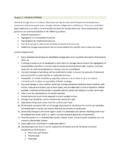
1 Chapter 6: OPERATING PROCEDURES FOR HANDLING CHEMICALS Standard OPERATING PROCEDURES Evaluation of Potential and Known Hazards Prior to initiating a new experiment or procedure, all laboratory employees must evaluate the potential physical and health hazards associated with its chemicals and processes. Container labels and material safety data sheets, as well as other references, will be used to conduct the evaluation. Laboratory personnel will be familiar with their own and previous evaluations prior to beginning work, and will use appropriate ventilation, protective equipment and PROCEDURES to minimize exposure.
2 The evaluation will include preparation for any potential emergency . Substitution as a Primary Method of Control Following hazard evaluation, laboratory personnel should always consider substituting less hazardous and toxic substances. Only chemicals for which appropriate exposure controls are present may be used. Prior Approval Laboratory employees must obtain prior approval to proceed with a laboratory task from a supervisor whenever: a new laboratory procedure or test is carried out; there is a significant change in a procedure or test likely to alter the hazard.
3 A significant change is defined as a 10% or greater increase or decrease in the amount of one or more chemicals used, a substitution or deletion of any of the chemicals in a procedure, or a change in the conditions under which the procedure is conducted; there are unknown or unexpected test results; members of the laboratory staff become ill, suspect exposure or otherwise suspect failure of the engineering safeguards. Reporting Laboratory Incidents and Unsafe Conditions Report all laboratory incidents no matter how minor to a supervisor. Incident report forms are available from the CHO.
4 Unusual or unexplainable chemical incidents should be discussed with others in the department, to caution others as to the risk of the procedure. Report any unsafe conditions by contacting the CHO and filing a written report so that the condition may be corrected as soon as possible. Unsafe conditions which must be reported include: non-functioning hoods in areas where hazardous chemicals are being used; unsafe storage conditions; blocked emergency exits; improperly charged fire extinguishers; inoperable eyewash stations or safety showers; absence of personal protective equipment (PPE) ( , goggles, gloves).
5 General Rules Working with hazardous chemicals (and PROCEDURES ) alone in a laboratory or chemical storage area is strictly PROHIBITED. Lab personnel must schedule research and experiments involving hazardous substances and PROCEDURES so that other lab members are present. Rules are as follows: Undergraduate teaching laboratories: A faculty member must be present in the lab at all times when undergraduate students are conducting experiments; Research Laboratories: Personnel working alone must contact Public Safety to make them aware of their presence in the facility and encourage them to periodically check on them.
6 These personnel should plan a route of escape in case of an emergency ; Wear appropriate eye protection at all times; When working with flammable chemicals, be certain that there are no sources of ignition near enough to cause a fire or explosion in the event of a vapor release or liquid spill; Use a tip-resistant shield for protection whenever an explosion or implosion might occur. For the chemicals they are using, all employees should be aware of: The chemicals' hazards, as determined from the MSDS and other appropriate references; Appropriate safeguards ( chemical fume hood, personal protective equipment, etc.)
7 ; The location(s) and proper use of emergency equipment ( emergency shower / eyewash , fire extinguisher, spill kit); How and where to properly store the chemical when it is not in use; Proper personal hygiene practices; The proper methods of transporting chemicals within the facility; Appropriate PROCEDURES for emergencies, including evacuation routes, spill cleanup PROCEDURES and proper waste disposal. Personal Hygiene Never store food or beverages in storage areas, refrigerators, glassware, or use utensils which are also used for laboratory operations; Do not eat, drink, smoke, chew gum, or apply cosmetics in laboratories where chemicals or other hazardous materials ( , radioactive or biohazards) are present; Never mouth pipet.
8 Always use a pipet bulb or other mechanical pipet filling device; Do not smell or taste chemicals; Wash areas of exposed skin well before leaving the laboratory; Confine long hair and loose clothing. Wear shoes at all times in the laboratory but do not wear sandals, perforated shoes or sneakers; Always wear clothing that completely covers arms and legs. While performing laboratory work, never wear short-sleeved T-shirts, short skirts, or shorts; Jewelry should not be worn which interferes with gloves and other protective clothing, or which could come into contact with electrical sources or react with chemicals.
9 Proper Equipment Use Use equipment only for its intended purpose; Inspect equipment or lab apparatus for damage before use. Never use damaged equipment such as cracked glassware, or equipment with frayed electrical wiring; Shield or wrap Dewar flasks and other evacuated glassware to contain chemicals and glass fragments should implosion occur. Personal protective Equipment (PPE) Choose protective clothing and other equipment based on the types of chemicals handled, the degree of protection required, and the areas of the body which may become contaminated. All clothing and equipment must at a minimum, meet standards set by the American National Standards Institute (ANSI).
10 All respiratory protective equipment must be chosen in conjunction with the CHO, since there are strict legal requirements as to the use and distribution of these devices. Every effort must be made to evaluate the effectiveness of equipment and make improvements where possible. The CHO should be consulted for suggestions. Special consideration must be given to purchasing appropriate PPE and other safety equipment when extremely hazardous substances are involved. Choice of this equipment under these circumstances must be reviewed by the CHO in advance of purchase requests.