Transcription of Chapter 7 Blood Sugar Glucose TEACHING …
1 TOPICS:MonitoringDiabetes (testingblood Sugar ) TEACHING OBJECTIVES: 1. Present Blood Sugar ( Glucose )testing concepts (rationale,testing times, frequency anddesired ranges for theindividual).2. Provide instruction for themeter of Discuss how to trouble shootproblems with their Introduce the concept ofrecording Blood sugars andobserving OBJECTIVES:Learners (parents, child, relative orself) will be able rationale for bloodsugar testing and list testingtimes, frequency and theirdesired Demonstrate use of meterincluding setting time and codewhen Locate and state the 1-800number listed on the meter tocall for Choose and apply a method forrecording Blood sugars andrecognizing 7 Blood Sugar ( Glucose )TestingH. Peter Chase, MD Rosanna Fiallo-Scharer, MDMEASURING Blood SUGARSThe ability of people (or families) with diabetes to checkblood Sugar levels quickly and accurately has changed diabetesmanagement more than anything else in the past 20 years.
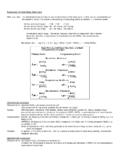
2 Priorto this, diabetes was primarily managed by measuring urinesugars, which were very unreliable. The people in the intensivetreatment group of the Diabetes Control and ComplicationsTrial (DCCT) did at least four Blood sugars every day (see49 Graphs can be obtained from some of the Blood sugarmeters when they are brought to the clinic. This youngman had a HbA1c(see Chapter 14) of percent, butwas having too many lows. We like no more than 14percent of values to be low and for at least 50 percent ofvalues to be below the upper range level (see suggestedranges for different ages in Table 2).Figure 1: Blood SugarsHigh = 35%OK = 36%Low = 29%50 Chapter 7 Blood Sugar ( Glucose ) TestingChapter 14). They were able to achieve excellentdiabetes control as a result of frequent bloodsugar testing, more frequent dosages of insulinand following a dietary plan.
3 The improvedglucose control was shown to significantly reducethe risk for eye, kidney and nerve complicationsof diabetes. Clearly, for people who are able tocheck Blood sugars more frequently, improvedsugar control is now possible. The Standards ofDiabetes Care (see Chapter 20) recommends frequent Blood - Glucose monitoring (at least 3-4 times per day). This is a reasonable goal for allpeople with Blood - Sugar ( Glucose ) MONITORING?There are many reasons why measuring bloodsugars at home has become a cornerstone ofdiabetes care. A few of these will be discussedhere (and are listed in Table 1):Safety: A big reason for the use of bloodsugar testing relates to safety. Almost noone feels all the low Blood sugars that occur(and very young children may not reportfeeling any lows). Checking the bloodsugar before the bedtime snack may help inchoosing ways to prevent low Blood sugarsduring the Sugar control: Studies haveclearly shown that testing a minimum offour Blood sugars daily and using the resultswisely can result in improved Sugar results in a reduced risk for diabeticeye, kidney and nerve complications.
4 Bettersugar control also reduces the risk for heartattacks in later life!Adjusting the insulin dosage: If bloodsugars are checked regularly, and the resultsare recorded to look for patterns of lows orhighs, the insulin dosage can be adjusted asneeded. People who take a rapid-actinginsulin (Humalog/NovoLog/Apidra)before meals should use the Blood sugarlevel (along with the amount of food andplanned exercise) to decide how muchinsulin to illness: Being able to checkblood sugars at home when a person is sick(or before or after surgery) allows for safemanagement at home. In the past, peoplewith diabetes were sometimes kept in thehospital because accurate Blood sugarscould not be done at home. People who donot test their Blood Sugar frequently duringillness are more likely to become seriously illand be admitted to the understand the effects of variousfoods, exercise or stress: By checking ablood Sugar two hours after eating a certainfood or doing a certain amount of exercise,one can better plan the insulin dose the nexttime.
5 Pizza, for example, tends to raiseblood sugars more than other foods forsome people. If this is found to be true,Table 1 Reasons for Blood Sugar ( Glucose ) TestingSafetyImprove Sugar controlAdjust the insulin dosageManage illnessesUnderstand the effects of variousfoods, insulin doses, exercise orstressDiscriminate a rapid fall in bloodsugar from a truly low Blood sugarvalueKnow the Blood Sugar levelimmediatelySense of controlIndicate a need to test for urine orblood ketonesChapter 7 Blood Sugar ( Glucose ) Testing51extra rapid-acting insulin can be consideredfor the next time it is to be eaten. Similarly,some people lower or raise their Blood sugarwith a certain exercise, whereas others donot. Knowing the Blood Sugar value afterdoing the exercise a few times will help infuture discriminate a rapid fall in bloodsugar from a truly low Blood Sugar value:Some people report frequent symptoms ofan insulin reaction (see Chapter 6).
6 Thisoccurs when the Blood Sugar falls rapidly(for example from 300 to 150 mg/dl [ mmol/L]) or when a low bloodsugar truly occurs. A Blood Sugar test at thetime of a reaction will help determinewhether the symptoms are due to a rapidfall (false reaction)or a seriously low bloodsugar. We consider a truly low Blood sugarto be below 60 mg/dl ( mmol/L)orin a preschooler,below 70 mg/dl ( ). Sugar can be given if the level islow, but it is not needed if the symptoms arejust due to a rapid fall in Sugar . If the levelis between 60 and 100 mg/dl ( and ), it is often helpful to eat food thatis not high in Sugar . These differences willnot be known unless a Blood Sugar level istested at the time of the insulin know the Blood Sugar levelimmediately: A Blood Sugar test will giveimmediate results when the value isimportant to know.
7 For example, a childmay be irritable and the cause may beunknown. A Blood Sugar test will quicklyhelp the parent decide if the irritability isdue to a low Blood Sugar level or anothercause. Another person may have animportant event and just want to know theblood Sugar prior to the Sugar testing gives people a senseof control over their diabetes: Manypeople feel better knowing how their bloodsugars are running. However, it isimportant to remember that there may notalways be an exact relationship between theblood Sugar level and what one expects it tobe. There are always unknown factors thatresult in occasional high or low levels. Thiscan be very upsetting for the person whoexpects Blood sugars to always be in thetarget range. It is important not to becomediscouraged when Blood sugars do notalways match the expected or concerns about the bloodsugar tests should be discussed with thediabetes an indicator to do a urine or bloodketone test: A fasting Blood Sugar above240 mg/dl ( mmol/L) or a valueabove 300 mg/dl ( mmol/L) duringthe rest of the day should indicate a needfor a Blood or urine ketone test.
8 (Somemeters now even flash this advice.) Testingfor Blood or urine ketones when the bloodsugar is high may help to prevent an episodeof ketoacidosis (see Chapter 15).WHEN TO DO BLOODSUGAR TESTSWe now encourage people to do at least fourblood Sugar tests every day. When four bloodsugar tests are done each day, they are oftenscheduled before breakfast, before lunch, beforethe afternoon snack or before dinner, and beforethe bedtime snack. Occasional values shouldalso be done two hours after meals and duringthe night. The Blood Sugar goals for beforemeals and two hours after meals are shown inFigure 2 and Table 2. Suggested bedtime andnighttime values are given in Table Pre-breakfastThe morning Blood Sugar test reflects thevalues during the night and is probably themost important Blood Sugar related to diabetescontrol.
9 It directly reflects the dose of Lantusinsulin (no matter when it s given during theday). As shown in the figure at the beginningof Chapter 2, this value reflects the turningoff of internal Sugar production by the rapid-acting insulin dose at breakfast is alsousually based, at least in part, on the bloodsugar result. Using Lantus insulin or an insulin52 Chapter 7 Blood Sugar ( Glucose ) Testingpump, it is now usually possible to get themajority of fasting Blood sugars in range (seeTable 2).2. Pre-lunchA Blood Sugar test before lunch helps todecide if the morning rapid-acting insulinand/or Regular insulin dosage is correct. Forpeople using morning NPH insulin, it may alsobe having an effect at this time. Most familiesnow routinely request that a test be done priorto eating lunch. For most children (andschools), this is not a problem and can be donewithout interfering with the child s normalschool life.
10 Other families (or children) preferto do Blood sugars at school only if the child isfeeling low. This is discussed in more detailin Chapter 23, The School and Pre-dinnerThe test before dinner reflects the dose ofmorning NPH insulin (if taken) and the dose ofrapid-acting insulin given at lunch and/or forthe afternoon snack. It may also reflectafternoon sports activities and the food eatenfor an afternoon snack. A test should not bedone unless it has been at least two hours sincefood was last eaten. Otherwise, the result willbe high from the food eaten in the previous twohours. If it is time for dinner and the personhad an afternoon snack one hour earlier, it maybe best to just wait and do the test prior to thebedtime snack. If this is a common occurrence,change to doing the Blood Sugar tests BEFOREthe afternoon snack.