Transcription of CHCCCS004 Assess co-existing needs - Amazon Web Services
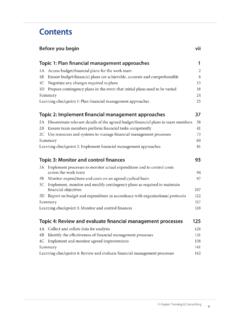
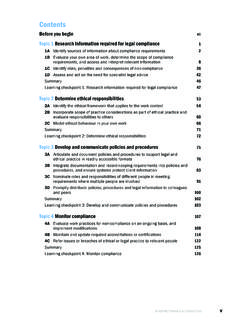
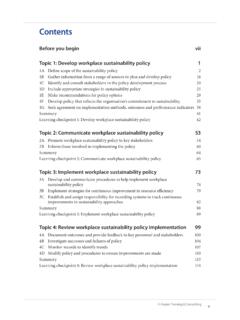
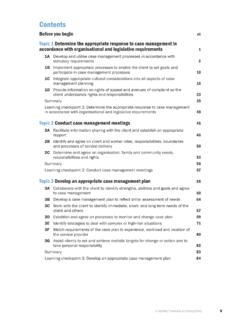
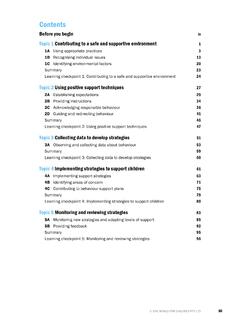
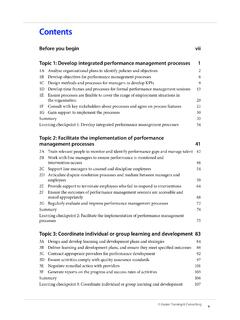
1 ASPIRE TRAINING & CONSULTING vContentsBefore you begin viiTopic 1 Prepare for assessment 11A Identify and prepare assessment tools and processes 21B Gather existing information about the person 161C Seek additional information from specialists and other sources 221D Organise practical aspects of assessment in consultation 291E Provide information about the assessment process and obtain consent 36 Summary 41 Learning checkpoint 1: Prepare for assessment 42 Topic 2 Analyse the person s needs 472A Work within scope of own role 482B Empower the person to identify and prioritise their own needs 532C Evaluate needs 612D Identify and analyse complex, multiple and interrelated issues 662E Evaluate issues of urgency and eligibility 822F Assess potential risk factors for service delivery 89 Summary 95 Learning checkpoint 2.
2 Analyse the person s needs 96 Topic 3 Determine appropriate Services 1033A Consider service delivery and referral options 1043B Evaluate internal capability and other service networks 1113C Provide the person with service information 1183D Encourage the person to advocate on their own behalf 125 Summary 129 Learning checkpoint 3: Determine appropriate Services 130 Topic 4 Complete reporting 1354A Document outcomes of the assessment 1364B Maintain and store the person s information 1484C Provide the person s information to other Services 153 Summary 159 Learning checkpoint 4: Complete reporting 160 Topic 5 Evaluate assessment and referral processes 1655A Seek feedback about assessment processes 1665B Monitor processes and their outcomes 1715C Routinely seek feedback 1755D Use feedback to improve processes 178 Summary 184 Learning checkpoint 5.
3 Evaluate assessment and referral processes 1858 CHCCCS004 Assess co-existing NEEDSC ompetency-based assessmentCompetency-based assessment is the process of assessing a person s competencies in different areas. The person being assessed must demonstrate a skill under a set of conditions, and demonstrate evidence of competency. They are then deemed competent or not yet is further information about competency-based toolsCompetency-based assessment is often used in a work or educational context. The person being assessed can build on their skills and competencies through training.
4 A variety of assessment techniques and procedures can be used when assessing competency, including observation, written tests, oral tests or questioning, simulation exercises and role-plays, case studies or reports and emphasisAssessment emphasises resources, rather than problems, and encourages participation. In mental health and social work, competency-based assessment focuses on person s strengths, coping and management strategies, and how environmental stressors affect the individual. It also takes a holistic approach, assessing the individual in their social, biological and psychological assessment used in community Services is more strengths-based than problem-focused, it is more empowering to the individual being tested than some types of assessmentCompetency-based assessment can be used to Assess the individual s current life situation, such as their.
5 XXcognitive functioning, including perception, motivation and problem-solving abilitiesXXemotional functioning, including current stressors that may affect emotional stabilityXXbehavioural functioning, including the person s physical appearance, mannerisms and speechXXinterpersonal or family issues, including the person s relationship to family members and current questionsAssessment can be performed through observation, testing and asking questions. Most assessments need to be completed over time to ensure the information collected is an accurate d epiction of needs .
6 For example, assessing for dementia should not be done in one assessment setting. ASPIRE TRAINING & CONSULTING18 CHCCCS004 Assess co-existing NEEDSC ompetency-based assessmentTo Assess and interpret personal needs in some areas, you may need to observe people or have specialists conduct competency-based assessment. This may involve using a checklist to observe a person as they undertake specific activities. The checklist helps to Assess a person s skills in a consistent way and across a number of areas, allowing you to draw conclusions about their competency in these assessmentNorm-based assessments let you compare a person s level of functioning or other characteristics against other people in their particular situation or age group.
7 This will tell you where a person is on a standardised scale for a particular characteristic; for example, a person may be considered very underweight based on norms for their height and tools reliability and validityIt is important to consider the reliability and validity of the results when using questionnaires and screening tools. The tools should accurately measure what they are supposed to, and they should be reliable in that they produce the same results across time and can be interpreted in the same way by different with othersYou may need to consult with workers or service providers who have provided input to the assessment process.
8 For example, where a psychologist has identified that a person is depressed, you may need to discuss how this may affect areas of a person s life, such as their ability to engage in self-care tasks and relate to others. Do not attempt to interpret results outside your own scope of individualityWhen analysing an individual s information, always be mindful that each person is an individual with unique characteristics and needs . Take a person-centred approach by recognising that the person is the expert in their own life, and that the needs and concerns they identify themselves are usually the most important to them.
9 Always take person strengths into account, as well as areas of existing issuesWhen analysing existing issues, it is important to take a structured approach to ensure that you identify and explore the needs of the person. You must consider their goals and desired outcomes along with options and possible solutions. You can achieve this by adopting a problem-solving strategy. ASPIRE TRAINING & CONSULTING24 CHCCCS004 Assess co-existing needs grief and lossThe National Association for Loss and Grief (NALAG) can provide the names of counsellors who specialise in supporting people who are experiencing grief, loss and trauma.
10 Palliative care associations can provide referrals to palliative care professionals and hospices for people with terminal associationMany associations and community organisations that provide support to people with specific health issues and conditions such as diabetes, cancer, multiple sclerosis, mental health conditions, AOD issues and disabilities. There are also organisations to support veterans and war groupsSupport groups exist for many issues and conditions. The purpose of these groups is to provide self- help and mutual support for people with a range of concerns and conditions.