Transcription of CHCDID005 Develop and provide person ... - Amazon Web …
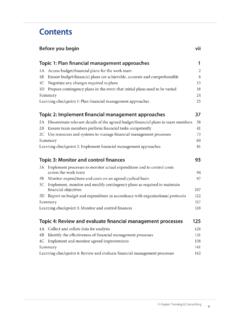
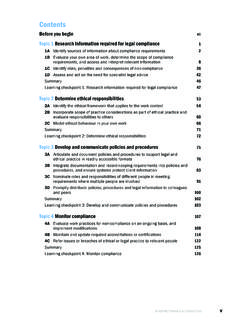
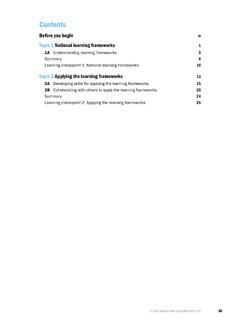
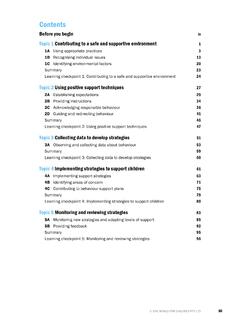
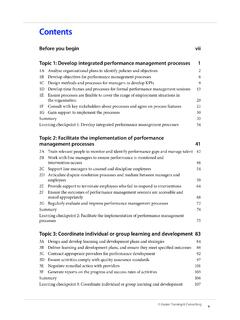
1 ASPIRE TRAINING & CONSULTING vContentsBefore you begin viiTopic 1 Work with the person to Develop and implement person -centred responses 11A Collaborate when developing responses to meet the person s aspirations, needs, rights and preferences 21B Ensure support information is accurately recorded, maintained and applied to future support activities and responses 91C Develop responses that cater to individual differences, rights, needs and preferences 111D Communicate needs of a person to appropriate people 131E Make appropriate resources available 161F Seek services from other workers or agencies as required 181G Maintain documentation and communicate in accordance with organisation procedures 21 Summary 24 Learning checkpoint 1.
2 Work with the person to Develop and implement person -centred responses 25 Topic 2 Review and monitor person -centred responses 292A Consult with others when reviewing and measuring the effectiveness of meeting the person s needs 302B Identify and take action to improve areas that have not met the person s needs and preferences 342C Ensure changes to service delivery are within policy and budgetary frameworks 382D Modify aspects of service delivery to meet changing service requirements and needs of the person 412E Identify potential training opportunities for the person to meet their changing needs 442F Ensure changes are within procedural and legislative requirements and maintain high standards of delivery 47 Summary 55 Learning checkpoint 2: Review and monitor person -centred responses 56 ASPIRE TRAINING & CONSULTING 1 Topic 1In this topic you will learn how to.
3 1A Collaborate when developing responses to meet the person s aspirations, needs, rights and preferences1B Ensure support information is accurately recorded, maintained and applied to future support activities and responses1C Develop responses that cater to individual differences, rights, needs and preferences1D Communicate needs of a person to appropriate people1e Make appropriate resources available1f Seek services from other workers or agencies as required1g Maintain documentation and communicate in accordance with organisation proceduresWork with the person to Develop and implement person -centred responsesAs support workers, good relationships are the basis of our ability to provide excellent services.
4 Current best practice approaches to service delivery involve working collaboratively and developing person -centred responses. In practice, this means understanding ourselves and our roles as partners with the person . While in the past, service providers were seen as the experts who provided services to people (according to what they thought was needed), we now recognise that our role is to work with people, who are the experts on their own lives. Working this way not only empowers people and upholds their rights, it is richly rewarding for us, as we support people with support needs to meet and exceed their goals. This topic introduces you to some of the underlying values, rights and approaches that you need to work collaboratively and in a person -centred ASPIRE TRAINING & CONSULTINGCHCDIS005 Develop AND provide person -CENTRED SERVICE RESPONSES EmpowermentAs a community services professional, your job involves supporting people using an empowerment approach.
5 Empowerment is when people take control of their own lives. Many people in receipt of support services are vulnerable because of their care needs and as a result of myths and stereotyping that can approach to your work should always be done as if you are imagining you are trying to do yourself out of a job . If your focus is to provide information, resources and support to assist people to build capacity, gain confidence and take control of their lives, then you will always be working to uphold people s rights through an empowerment are some tips to help you Develop an empowerment on your practiceXXAsk yourself, Did I provide services in ways to do myself out of a job?
6 If you answered no , you need to ask yourself why. Check your approach to your about how you would want to be treated if you were in a role reversal with the person you support. Would you want people providing support in ways that stripped you of your dignity and personal control over your own life? If you answer no , then think about how you can change your a mentorXXTalk to your supervisor and ask them to mentor you to build the skills to work from an empowerment model. Make a meeting time to meet regularly with your supervisor to discuss how you handled situations. Be honest especially with of empowermentAn empowerment approach involves providing information, resources and support to assist people to build capacity, gain confidence and take control of their lives.
7 The principles involved include: XXpromoting independence and decision-makingXXensuring access to informationXXensuring that the person can communicate in a way that reflects their communication and cultural needsXXrespect for diversity, difference and an individual s choices, preferences and goalsXXbeing flexible and responsive to each individual s needs and goalsXXsupporting each person to realise their full potential as valued members of the Develop AND provide person -CENTRED SERVICE RESPONSES Strengths-based approachIt is important to take a strengths-based approach to providing services. Each person has individual capabilities, strengths and capacities that we can focus on and support, rather than only concentrating on problems and concerns.
8 This approach is focused on empowering the person , recognising and supporting their choices, goals and aspirations. By supporting a person s strengths, we are not ignoring their needs or concerns. Rather, we are using their strengths as a means to provide support sensitively and in a holistic way that empowers the person as a valued and respected individual, not a constellation of problems or is a comparison between a strengths-based approach and one based on perceived approachXXRecognises and celebrates achievements, choices, capabilities and what is present XXAcknowledges challenges, but does not define someone by themXXSees the person as an individual and supports what works for them XXSupports empowerment and collaborationXXAdapts responses and practices to support the person s changing needs and goalsXXSupports the person s human rights Problem -based approachXXConcentrates on rigid definitions of normalcy , does not encourage individual choices and focuses on what is absentXXDefines the person by their challenges and as part of a categoryXXSupports rigid processes.
9 Disempowers people and supports top-down service provisionXXDoes not offer flexibility in providing individualised servicesXXDoes not support the person s human rightsAccess and equityA commitment to access and equity for all people is a fundamental aspect of social justice. In your job as a service professional, you have the capacity to profoundly support peoples right to equal treatment and to equal access in very practical ways. Fundamentally, by working collaboratively, you ar e promoting greater access and equity by supporting people s active participation in their own care and empowering their decision-making in matters that affect their are some of the ways that you can promote the access of equity of a person with care needs.
10 ASPIRE TRAINING & CONSULTING ASPIRE TRAINING & CONSULTING 9 ToPiC 1 WORk WITH THE person TO Develop AND IMPLEMENT person -CENTRED RESPONSES1B Ensure support information isaccurately recorded, maintained and applied to future support activities and responsesYour ability to provide appropriate, effective support for people relies on good information. The most crucial information comes from the person themselves. Information about a person s needs, preferences, aspirations and goals change over time and you need to ensure that you keep up-to-date. Additionally, you need to ensure that you manage this information in a way that ensures effective services are provided to each is a summary of a process that you can use to check whether you are managing information basic process to manage support information correctlyKnow your workplaceEvery workplace has policies and procedures regarding recording, maintaining, storing and applying information.