Example: stock market
Choosing a doctor to evaluate memory and thinking problems
Dementia is not a specific disease, but a range of symptoms associated with memory or thinking problems severe enough to affect a person’s ability to perform everyday activities. Consulting a doctor at the earliest stage is critical to allow for treatment and planning. If you have dementia, it’s important to find out what type it is because
Tags:
Information
Domain:
Source:
Link to this page:
Documents from same domain
Communication and Alzheimer's Disease
alz.org» Approach the person from the front and identify yourself. » Encourage nonverbal communication. If you don’t understand what the person is trying to ... of dementia through the promotion of brain health. Our vision is a world without Alzheimer’s disease ...
Korsakoff Syndrome - Alzheimer's Disease & Dementia Help
alz.orgAbout dementia Dementia is a general term for a decline in mental ability severe enough to interfere with daily life. Dementia is not a single disease; it’s the umbrella term for an individual’s changes in memory, thinking or reasoning. There are many possible causes of dementia, including Alzheimer’s. Disorders grouped under the general term
Understanding Alzheimer's and Dementia - alz.org
alz.orgTHE IMPACT OF ALZHEIMER’S AND DEMENTIA Currently, an estimated 50 million people worldwide are living with dementia, including more than 5 million Americans.
10 Steps to Approach Memory Concerns
alz.orgparticularly when it involves changes in memory, thinking or behavior — it can be difficult to know what to do or say. Although it’s natural to be uncertain or nervous about how to offer support, these changes could be a sign of a significant health concern. Use the guide and space for notes below to help you feel
BASICS OF ALZHEIMER’S DISEASE
alz.org» Parkinson’s disease dementia is an impairment in thinking and reasoning that many people with Parkinson’s disease eventually develop. As brain changes gradually spread, they often begin to affect . 3 mental functions, including memory and the ability to pay attention, make sound
10 WARNING SIGNS OF ALZHEIMER’S - Alzheimer's Association
alz.orgOR SOLVING PROBLEMS Some people living with dementia may experience changes in their ability to develop and follow a plan or work with numbers. They may have trouble following a familiar recipe or keeping track of monthly bills. They may have difficulty concentrating and take much longer to do things than they did before.

FDA-Approved Treatments for Alzheimer's
alz.orgAlzheimer’s affects more than just memory and thinking. A person’s quality of life may be impacted by a variety of behavioral and psychological symptoms that accompany dementia, such as sleep disturbances, agitation, hallucinations and delusions. Some medications focus on treating these non-cognitive symptoms for a
Communication and Alzheimer's Disease
alz.orgThe Alzheimer’s Association is the leading voluntary health organization in Alzheimer’s care, support and research. Our mission is to eliminate Alzheimer’s disease through
2018 ALZHEIMER’S DISEASE FACTS AND FIGURES
alz.orgAlzheimer’s Association. 2018 Alzheimer’s Disease Facts and Figures. Alzheimers Dement 2018;14(3):367-429. About this report 2018 Alzheimer’s Disease Facts and Figures is a statistical resource for U.S. data related to Alzheimer’s disease,

Behaviors - Alzheimer's Association
alz.orgtheir causes. 1. Examine the behavior ... Turn the action or behavior into an activity If the person is rubbing a hand across the table, provide a cloth and ask for help with dusting. 8 Stay calm and be patient Reassure the person with a calm voice and gentle touch. Provide an answer
Related documents
Understanding Alzheimer's and Dementia
alz.orgVascular dementia is the second most common cause of dementia after Alzheimer’s disease. » Dementia with Lewy bodies is a type of progressive dementia related to buildup of a protein called alpha-synuclein that damages brain cells. Early symptoms include hallucinations and sleep problems. » Frontotemporal dementia (FTD) is a group of disorders.

Factsheet 450LP Risk factors for June 2021 dementia
www.alzheimers.org.ukdementia Factsheet 450LP June 2021 Dementia is not a natural part of ageing. It is a set of symptoms that develop when the brain is damaged by disease. There are many things that can increase a person’s chances of developing dementia – these are known as ‘risk factors’. There are different types of risk factors for dementia, including ...
RISK REDUCTION OF COGNITIVE DECLINE AND DEMENTIA
apps.who.intDementia is a major cause of disability and dependency among older people and can devastate the lives of affected individuals, their carers and families. Additionally, the disease inflicts a heavy economic burden on societies as a whole, with the costs of caring for people with dementia estimated to rise to US$ 2 trillion annually by 2030.
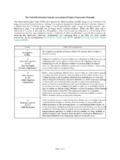
The Global Deterioration Scale for Assessment of Primary ...
www.fhca.orgThe Global Deterioration Scale for Assessment of Primary Degenerative Dementia The Global Deterioration Scale (GDS), developed by Dr. Barry Reisberg, provides caregivers an overview of the stages of cognitive function for those suffering from a primary degenerative dementia such as Alzheimer's disease. It is broken down into 7 different stages.

GC-335A ATTACHMENT TO FORM GC-335, CAPACITY ... - …
www.courts.ca.govcare and treatment of major neurocognitive disorders (including dementia), please complete items 9b(1)–9b(5).) For the reasons stated in item 9b(5), the (proposed) conservatee needs or would benefit from the following medications appropriate to the care and treatment of major neurocognitive disorders (including dementia)
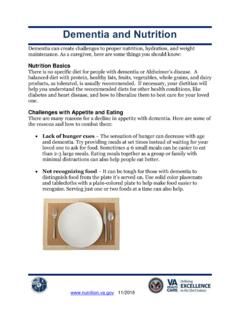
Dementia and Nutrition - Veterans Affairs
www.nutrition.va.govDementia and Nutrition Dementia can create challenges to proper nutrition, hydration, and weight maintenance. As a caregiver, here are some things you should know: Nutrition Basics There is no specific diet for people with dementia or Alzheimer’s disease. A balanced diet with protein, healthy fats, fruits, vegetables, whole grains, and dairy