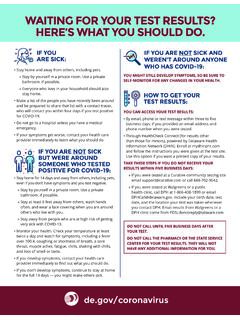
Transcription of COVID-19 Protecting yourself during a home visit
1 COVID-19 : These are recommended best practices for Protecting yourself from COVID-19 during a home visit . Not everyone will be able to follow each step. Talk with your caregiver and members of your household to create a plan that works for you. Before home visit : Protecting yourself during a home visit #1. Identify a safe space. Think of the areas in your home where a caregiver might be able to provide your care. Decide on an area that seems most comfortable for you. Try to use as few rooms as possible. Set up supplies in that area ahead of time so your caregiver doesn t need to go to other parts of your home. #2. Prepare the space. If you are able, disinfect commonly touched surfaces in that area such as doorknobs, counter tops, and other surfaces where care may be provided. If others live with you, ask them to not enter the area while you will be receiving care. #3. Prepare yourself . Write up a list of tasks you want the caregiver to complete before they arrive.
2 Wash your hands for 20 seconds with soap and water before your caregiver arrives. Use hand sanitizer if soap and water are not available. Put on a well-fitting mask or respirator after washing your hands, if you have one available. Make sure the list of tasks for your caregiver are part of the services approved in your plan of care, when applicable. Page 1 of 5 during home visit : What should you do? Wear a well-fitting mask or respirator. Stay 6 feet apart from your caregiver as much as possible. Do not touch your eyes, nose, or mouth. If you do touch your face, make sure you wash your hands before and after. Ask your caregiver to not come into your home if they are sick. Wash their hands and put on gloves when they enter your home and before and after providing personal care. Wear a well-fitting mask or respirator and gloves at all times in your home Help you disinfect surfaces if you weren t able to before they arrived.
3 Keep 6 feet from you and others in your home when possible. What should your caregiver do? After home visit : Disinfect commonly touched surfaces. Ask your caregiver if you need help. What are COVID-19 symptoms?: fever cough shortness of breath sore throat headache fatigue body aches nausea vomiting diarrhea loss of smell or taste You can have symptoms 2 14 days after you are exposed to COVID-19 . Page 2 of 5 COVID-19 Symptoms: What are emergency warning signs*? Trouble breathing Pain or pressure in the chest that doesn t go away Feeling confused or cannot be woken up Pale, gray, or blue-colored skin, lips, or nail beds *This list does not include all emergency warning signs. Call a doctor if you have any other severe symptoms. If you need emergency medical attention, call 911 and tell them you are having COVID-19 -like symptoms. What if I start to have symptoms? Separate yourself from others in your home immediately.
4 Call your doctor and let them know what symptoms you have. If you do not have a primary doctor or are not sure who to contact, you can call your Health Maintenance Organization (HMO). visit or contact your local public health department to find out how you can get tested for COVID-19 . If your immune system is impaired or compromised, or you have an underlying medical condition (like asthma, heart disease, diabetes, lung disease, or HIV) you are at higher risk of getting very sick from COVID-19 . Page 3 of 5 other ways you can protect yourself and others: Do not have close contact with people who are sick or have COVID-19 . Stay at least 6 feet from others. Do not touch your eyes, nose, or mouth. If you do touch your face, be sure to wash your hands before and after. Wash your hands often. Always wash your hands after using the restroom, before eating, and after blowing your nose, coughing, or sneezing. Make sure friends or family are regularly checking-in on you if you live alone.
5 They can help if you get sick. Keep your regular medications and over-the-counter medications and supplies well-stocked. Cover your mouth and nose with a tissue when you cough or sneeze or use the inside of your elbow. Get plenty of rest and stay hydrated. Reschedule doctor s appointments, like routine visits, if you are sick. Page 4 of 5 Stay up to date with your COVID-19 vaccines. visit to find a vaccination location near you. Wear a well-fitting mask or respirator in public indoor settings if you are not up to date on your vaccines. Masks are required in some settings, regardless of your vaccination status. Wear a well-fitting mask when around others and quarantine, if necessary, after exposure to COVID-19 . Learn more at Separate yourself from others in your home and follow instructions for isolation if you have symptoms of COVID-19 or test positive. Learn more at Masks and Respirators: Follow these tips when wearing a well-fitting mask or respirator: Wear the most protective mask or respirator you can that fits well and that you can wear comfortably for long periods of time, if necessary.
6 If you think that partially covering your face may subject you to harm or put you at increased danger, please weigh this risk with the risk of getting sick and make the choice that feels best for you. Before putting on a well-fitting mask or respirator, wash your hands with soap and water or use hand sanitizer if soap and water are not available. A well-fitting mask or respirator should cover your mouth and nose with minimal gaps between your face and the face covering. Do not touch your mask or respirator while wearing it. If you do touch your face, wash your hands with soap and water or use hand sanitizer if soap and water are not available. If you are using a cloth mask, use a new one as soon as the old one is damp. Wash cloth masks between uses. Disposable face masks and respirators should not be washed. Do not touch your eyes, nose, or mouth when removing your well-fitting mask or respirator. Wash your hands immediately after removing.
7 Contact your local pharmacy or community health center to see if free masks or respirators are available. Wisconsin Department of Health Services P-02664 (01/2022) Page 5 of 5 All masks and respirators provide some level of protection against the virus that causes COVID-19 . Some masks and respirators may offer more protection than others but can be harder to wear consistently throughout the day. Well-fitting disposable surgical masks offer more protection than cloth or other woven masks, but less protection than respirators, like the N95 and KN95s. Additional Resources on COVID-19 protect yourself and others against COVID-19 : What to do if you are exposed: What to do if you are sick or diagnosed with COVID-19 : Information on masks and respirators: Find a community testing site: Learn about COVID-19 vaccines.