Example: barber
Protecting Workers from Cold Stress
How to Protect Yourself and Others • Know the symptoms; monitor yourself and co-workers. • Drink warm, sweetened fluids (no alcohol). • Dress properly: – Layers of loose-fitting, insulating clothes – Insulated jacket, gloves, and a hat (waterproof, if necessary) – Insulated and waterproof boots What to Do When a Worker
Tags:
Information
Domain:
Source:
Link to this page:
Documents from same domain
Motor Vehicles Safe Driving Practices for Employees
www.osha.govMotor Vehicles Safe Driving Practices for Employees You are your employer’s most valuable asset! The way that you drive says everything about you and your
U. S. Department of Labor Occupational Safety and …
www.osha.govU. S. Department of Labor Occupational Safety and Health Administration Notice of Alleged Safety or Health Hazards . For the General Public: This form is provided for the assistance of any complainant and is not intended to constitute the exclusive means by
Controlling Hazardous Fume and - osha.gov
www.osha.govFactSheet Controlling Hazardous Fume and Gases during Welding Welding joins materials together by melting a metal work piece along with a …
OSHA 3220-10N 2004
www.osha.govWORKER SAFETY SERIES WAREHOUSING 11 Hazards & Solutions Warehouse operations can present a wide variety of potential hazards for the worker. For warehousing establishments, the
Job Safety and Health - osha.gov
www.osha.govJob Safety and Health. IT’S THE LAW! All workers have the right to: A safe workplace. Raise a safety or health concern with your employer or OSHA, or report a work-
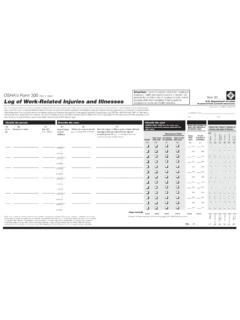
Year 20 Log of Work-Related Injuries and Illnesses
www.osha.govU.S. Department of Labor Occupational Safety and Health Administration OSHA’s Form 300 (Rev. 01/2004) Year 20__ __ Log of Work-Related Injuries and Illnesses You must record information about every work-related death and about every work-related injury or illness that involves loss of consciousness, restricted work activity or job transfer,
DEPARTMENT OF LABOR 29 CFR Part 1904
www.osha.gov2 The final rule also revises the requirements for reporting work-related fatality, injury, and illness information to OSHA. The current regulation requires employers to report …
CRANES AND DERRICKS IN CONSTRUCTION FINAL …
www.osha.govOSHA is making this document, the regulatory text, available for informational purposes only. This action does not affect the effective date of the final rule on Cranes and Derricks in Construction, which will be 90
Preventing Mold-Related Problems in the Indoor …
www.osha.govIntroduction This guide provides basic information about mold, mold sources, and building-related illnesses. Brief discussions are included on building design considerations for healthy indoor air,
HazardCommunicationGuidancefor CombustibleDusts
www.osha.govU.S.DepartmentofLabor OccupationalSafetyandHealthAdministration OSHA3371-08 2009 HazardCommunicationGuidancefor CombustibleDusts Occupational Safety and Health Act of 1970
Related documents

How To Protect Yourself and Others
www.cdc.govTitle: How To Protect Yourself and Others Author: Centers for Disease Control and Prevention Subject: COVID-19; coronavirus; how to protect yourself and others; know how it spreads; everyone should; clean your hands often; wash hands; avoid touching eyes, nose and mouth; avoid close contact; social distancing; stay at home; cloth face cover; cover mouth a nd …
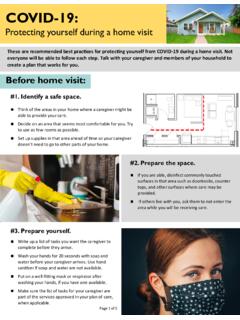
COVID-19 Protecting yourself during a home visit
www.dhs.wisconsin.govOther ways you can protect yourself and others: Do not have close contact with people who are sick or have COVID-19. Stay at least 6 feet from others. Do not touch your eyes, nose, or mouth. If you do touch your face, be sure to wash your hands before and after. Wash your hands often. Always wash your hands after using the restroom,

IPC and WHS Staff COVID-19 Tips: Eating and Drinking at ...
www.albertahealthservices.ca2.1 Personal protective equipment (PPE) , i.e., gowns are worn to protect clothing from contamination. By protecting yourself and using PPE properly at work, you are also protecting your family members and loved ones. For more information refer to: • AHS dedicated page for PPE. Find information develop ed by a PPE task force at this
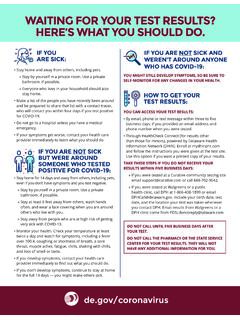
WAITING FOR YOUR TEST RESULTS? HERE’S WHAT YOU …
coronavirus.delaware.gov• Stay home for 14 days and away from others, including pets, even if you don’t have symptoms and you test negative. » Stay by yourself in a private room. Use a private bathroom, if possible. » Stay at least 6 feet away from others, wash hands often, and wear a face covering when you are around others who live with you.

What Your Test Results Mean - Centers for Disease Control ...
www.cdc.govSep 28, 2021 · TAKE STEPS TO PROTECT OTHERS REGARDLESS OF YOUR COVID-19 VACCINATION STATUS STAY HOME. Isolate at home for at least 10 days. Stay in a specific room and away from other people in your home. GET REST AND STAY HYDRATED . If you develop symptoms, continue to isolate for at least 10 days after symptoms began and until you …
After an Attempt
store.samhsa.govFor others, such thoughts may accompany certain moods or circumstances. Here are some steps you can take to prevent negative and destructive thoughts in the future and to keep you safe. You also may want to consider adding some of these steps to your safety plan. • Remove the means for hurting yourself from your environment
Emergency Preparedness Merit Badge - Scoutworks
scoutworks.weebly.comBut it is not enough to rely on medicine, technology, institutions, or the actions of others to keep us prepared and safe. Look carefully at your home and your community, and educate yourself about potential dangers. As you work on requirements for the Emergency Preparedness merit badge, pay close attention to four things: preparedness,

How to Reduce Your Exposure to Chemicals at Home, Work ...
www.atsdr.cdc.govsafe, others are not. For you to become sick, a certain amount of a harmful chemical must enter your body. Harmful chemicals can get into your body if you breathe, eat, or drink them or if they are absorbed through your skin. This booklet suggests ways you and your family can reduce your exposure to chemicals at home, at work, and at play ...