Transcription of EQUINE CUSHING’S DISEASE
1 1 EQUINE cushing S DISEASE Patrick M. McCue DVM, PhD, Diplomate American College of Theriogenologists EQUINE cushing s DISEASE is a complex progressive DISEASE of the pituitary gland of middle age to older horses. The pituitary gland is a small structure located at the base of the brain which produces hormones that regulate many body functions. cushing s DISEASE occurs when the production of dopamine, a neurotransmitter that normally controls the function of a specific portion of the pituitary gland, decreases. Lack of dopamine results in an increase in the size of the pituitary gland and subsequently an increase in the production of adreno-corticotropic hormone (ACTH) and other proteins from cells of the affected pituitary.
2 Elevated levels of ACTH cause overproduction of the hormone cortisol from the adrenal gland. cushing s DISEASE is associated with a slow onset of clinical signs that may include development of a long and curly hair coat, increased water consumption and urination, excessive sweating, and lactation. Hair coat changes usually develop years after the beginning of pituitary dysfunction. Subtle hair coat changes, such as development of patchy areas of long hairs and a tendency for the winter hair coat to come in earlier and shed out later than normal, may precede more profound changes by many years.
3 Affected horses are prone to chronic infections such as sinusitis, dental DISEASE , and sole abscesses. These conditions are caused by immuno-suppression that follows prolonged exposure to elevated levels of cortisol. Horses with cushing s DISEASE may experience recurrent episodes of laminitis (founder) with no other known predisposing causes. Mares with cushing s DISEASE often have reproductive problems such as complete failure to cycle, irregular estrous cycles, estrus suppression, and reduced fertility. The reproductive problems may be due to suppression of follicle stimulating hormone (FSH) and luteinizing hormone (LH) production due to the elevated levels of cortisol and/or androgens secreted by the hyperstimulated adrenal glands.
4 In addition, enlargement of the affected area of the pituitary may lead to compressive destruction of the pituitary cells that produce FSH and LH. Insufficient FSH and LH would lead to a decrease in follicular development and failure of ovulation. Little is known about the effects of cushing s DISEASE in stallions. Presumably affected stallions would exhibit decreased sperm production and decreased conception rates in mares bred. Diagnosis of cushing s DISEASE is usually based on clinical signs and blood tests. Affected horses may have elevated levels of glucose, insulin, cortisol and ACTH in their blood.
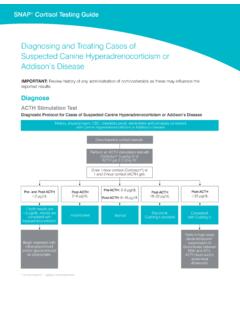
5 Additional diagnostic tests include 2evaluation of cortisol levels in blood samples collected 8 to 10 hours apart or measurement of cortisol levels before and after administration of dexamethasone or other hormones. The dexamethasone suppres-sion test is considered to be the gold standard for diagnosis of cushing s DISEASE . Administration of dexamethasone (a synthetic type of cortisol) to normal horses causes marked suppression of blood cortisol, whereas horses with cushing s DISEASE have little to no change in cortisol levels in response to dexamethasone.
6 Evaluation of cortisol rhythm is a relatively common screening test for the presence of cushing s DISEASE and is often performed as an alternative to the dexamethasone suppres-sion test in horses with a history of laminitis. However, the cortisol rhythm test may yield false positive or false negative results, and one needs to be cautious basing a diagnosis on this test alone. Medical management of affected horses is usually a long-term or life-long commitment. Horses with cushing s DISEASE require excellent management practices, including routine foot care, deworming, vaccinations, dentistry, and nutrition.
7 Medical treatment regimens usually include administration of the dopamine agonist pergolide mesylate or the antiserotonin compound cyproheptadine. Clinical improvement, if any, is noted within 6 to 8 weeks after the onset of treatment. When an effective dose is established, the horse is maintained on that dose for life. Anecdotal information suggests that mares with cushing s DISEASE maintained on appropriate medical therapy may resume normal estrous cycles and may become pregnant. However, it must be remembered that cushing s DISEASE typically starts later in life and the decrease in reproductive efficiency in mares with cushing s DISEASE may due partly to other changes associated with advanced age.
8 Mare with cushing s DISEASE