Example: barber
Fact Sheet Contraception Choices
The hormonal IUD – Mirena® is a small T-shaped device that is fitted inside the uterus (womb). Over a 5 year timeframe, it slowly releases a very low dose of progestogen hormone into the uterus. Periods usually become lighter or may stop when using a hormonal IUD. The hormonal IUD is 99.8% effective. The Copper intrauterine device (Cu-IUD ...
Tags:
Information
Domain:
Source:
Link to this page:
Documents from same domain
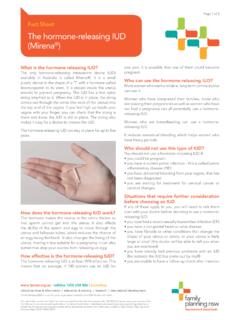
Fact Sheet The hormone-releasing IUD (Mirena
www.fpnsw.org.au• Women may have irregular bleeding and spotting in the first few months after the hormone-releasing IUD is inserted. Bleeding usually settles down and periods become shorter and lighter. Up to 65% of women end up with no bleeding at all after 12 months of use • Some women may experience hormonal side effects,
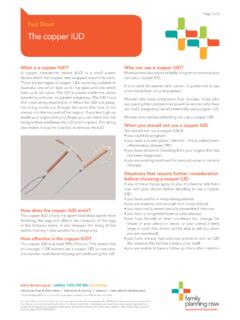
Fact Sheet The copper IUD - Family Planning NSW
www.fpnsw.org.auThe information in this act Sheet has been provided for educational purposes only. S has taken every care to ensure that the information is accurate and up-to …

Fact Sheet The contraceptive implant - Family Planning NSW
www.fpnsw.org.auFamily Planning NSW is a not-for-profit organisation funded by the NSW Ministry of ealth Family Planning QLD Family Planning TAS Family Planning VIC Family Planning WA Family Planning Welfare Association of NT Sexual Health and Family Planning ACT SHine SA Page 2 of 2 What are the POSSIBLE risks associated with ...
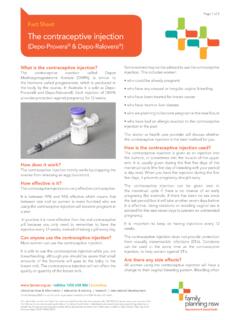
Fact Sheet The contraceptive injection
www.fpnsw.org.auThe contraceptive injection is a very effective contraceptive. It is between 99% and 94% effective which means that between one and six women in every hundred who are using the contraceptive injection will become pregnant in a year. In practice it is more effective than the oral contraceptive pill because you only need to remember to have the
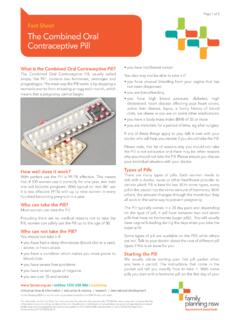
Fact Sheet The Combined Oral Contraceptive Pill
www.fpnsw.org.auContraceptive Pill What is the Combined Oral Contraceptive Pill? The Combined Oral Contraceptive Pill, usually called simply ‘the Pill’, contains two hormones, oestrogen and progestogen. The main way the Pill works is by stopping a woman’s ovaries from releasing an egg each month, which means that a pregnancy cannot begin. How well does ...
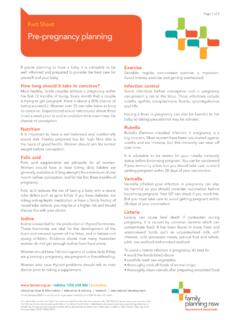
Fact Sheet Pre-pregnancy planning - Family Planning NSW
www.fpnsw.org.auclinical services information education training research international development Family Planning NSW is a not-for-profit organisation funded by the NSW Ministry of Health Fact Sheet Pre-pregnancy planning If you’re planning to have a baby it is advisable to be well informed and prepared to provide the best care for
Related documents
California Nursing Practice Act
www.rn.ca.govadministered hormonal contraceptives approved by the federal Food and Drug Administration (FDA) and may administer injections of hormonal contraceptives approved by the FDA in strict adherence to standardized procedures developed in compliance with …

Oral Contraceptive Instructions
healthservices.illinoisstate.eduInstructions for missed extended or continuous hormonal contraceptives: Missed pill after 21 consecutive days of extended or continuous use, up to 7 days can be missed. If > 7 days missed, instructions would be the same as for cyclic users who have missed/delayed combined hormonal contraceptive in the first week of use.

Patient Information NuvaRing (NEW-vah-ring) (etonogestrel ...
www.organon.comcalled combination hormonal contraceptives (CHCs). How well does NuvaRing work? Your chance of getting pregnant depends on how well you follow the directions for using NuvaRing. The better you follow the directions, the less chance you have of getting pregnant. Based on the results of a US clinical study, approximately 1 to 3 women out of 100
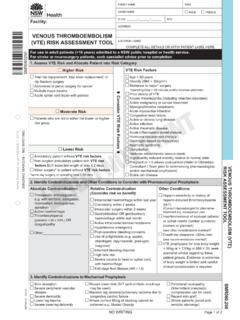
Venous Thromboembolism VTE Risk Assessment Tool
www.cec.health.nsw.gov.auHormonal replacement therapy Oestrogen-based contraceptives Nephrotic syndrome Dehydration Varicose veins/chronic venous stasis Significantly reduced mobility relative to normal state Pregnant or < 6 weeks post-partum (Refer to Obstetrics Consultant / Team prior to commencing pharmacological and/or mechanical prophylaxis) Sickle cell disease

HIGHLIGHTS OF PRESCRIBING INFORMATION with implants …
www.organon.comhormonal contraceptive. If inserted as recommended, back-up contraception is not necessary. If deviating from the recommended timing of insertion, the woman should be advised to use a barrier method until 7 days after insertion. If intercourse has already occurred, pregnancy should be excluded. Progestin-only contraceptives:
Cervical Cancer Causes, Risk Factors, and Prevention
www.cancer.orgNov 01, 2019 · DES is a hormonal drug that was given to some women between 1938 and 1971 to prevent miscarriage. Women whose mothers took DES (when pregnant with them) develop clear-cell adenocarcinoma of the vagina or cervix more often than would normally be expected. These types of cancer are extremely rare in women who haven’t been exposed to DES.
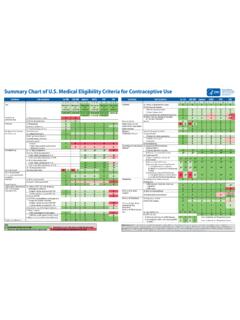
Summary Chart of U.S. Medical Eligibility Criteria for ...
www.cdc.govAbbreviations: ARV = antiretroviral; C=continuation of contraceptive method; CHC=combined hormonal contraception (pill, patch, and, ring); COC=combined oral contraceptive; Cu- IUD=copper-containing intrauterine device; DMPA = depot medroxyprogesterone acetate; I=initiation of contraceptive method; LNG-IUD=levonorgestrel-releasing intrauterine ...