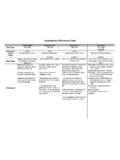
Transcription of Generational Comparisons and Contrasts Chart by, …
1 Generational Chart 2008, Anne K. Robey-Graham, 1 Generational Comparisons and Contrasts Chart by, Anne K. Robey-Graham, Boomers Gen X ers Millennials Birth dates 1948 1961 1962 1979 1980 1999 Size (in 2005) ~78 million ~46 million ~70 million Defining ideas Individuality Cynicism Entitlement Style Self-absorbed Entrepreneur Confident achiever Childrearing Permissive child Private child Pampered child Significant goal Personal growth Self-reliance Being happy and safe Generational attitudes that may surface in multigenerational classrooms: Boomers Gen X ers Millennials Generational experience brought into the classroom: Academic K-12 experiences Overcrowded classrooms; had to compete to be heard; worked in groups Smaller classrooms; introduction of new technologies.
2 More individual focus and creative projects Self-esteem curriculum; focus on standardized test scores; entitled to good grades; want to feel special; everyone gets rewards Experience with family Strong nuclear family; in many families mother was home; played with neighborhood children; when teens rebelled against parents and social structures High rates of divorce; latchkey kids came home from school alone because both parents worked or lived in single parent family; step families and living in two places; spent more time alone than with others Believe key to happiness is in close family relationships, although 50% came from divorced families; close relationships to their parents, viewed as partners ; Soccer Moms; highly structured activities such as sports, music, etc.
3 Generational attitudes towards academics and work ethic: Attitudes toward authority figures and professors Respect accomplishments and credentials Respect is earned by character and relationships, not positions or job titles Respect those who help them; entitled; expect authority figures to fix things for them, such as grades or conflicts with others. Attitude towards learning An end unto itself; embraced as something they want or need to learn; enthusiastic about the process as much as the outcome; many believe it will keep them youthful and help stave off dementia Learn in mosaic fashion rather than linearly; tend to confuse cynicism with critical thinking; have a voracious appetite for information; bored by theories, principles and foundations; focused on the outcome, What will this do for me?
4 ; prefer technology-aided learning Often mistake information for learning; frequently skip steps in research and stop after preliminary searches; skim articles without reading thoroughly; need interactive learning experiences; embrace technology in learning; expect to control what, when and where they learn Generational Chart 2008, Anne K. Robey-Graham, 2 Boomers Gen X ers Millennials Attitude towards work An exciting, fulfilling adventure which gives significance; lots of meetings; long hours; need public recognition and status symbols A necessary evil, means to an end; life outside is more important than work; skeptical of being let down by large organizations, prefer small businesses and entrepreneurship High energy and enthusiasm; prefer being managed with a coaching style; prefer collaboration rather than set roles and tasks; expect to be praised and work in a positive environment Generational attitudes towards others: Attitudes towards diversity Pioneered social change in attitudes towards diversity.
5 Pushed legislation for civil rights including race, gender, and people with disabilities Mistook familiarity with diversity for acceptance and respect; difficult to help them see issues of oppression and social constructs because they often view it as not my problem All they have ever known; most multicultural and ethnically diverse of any generation; more immigrants than previous generations; tolerate others who are different but connect with those who are similar Attitude towards relationships Impacts sense of well being and quality of life; build relationships anywhere Skeptical of failed relationships; crave stable relationships; most loyalty goes to friends Fitting in is as important as individuality; enjoy community-oriented and social groups Attitudes toward trust Questioned authority; distrusted anything that was viewed as outdated or old fashioned; trust those who have been successful Only trust those who they know personally; distrust people too closely connected to formal organizations; cynicism heightens distrust Trust their social network; they exhibit more trust for their technical networks (Facebook, texting, blogs) than for real people next to them.
6 Trust friends advice even when they don t know what they re talking about Generational attitudes towards outside factors which may challenge their learning: Attitude towards commitment Commitment is driven by passion about a cause; desire to make a significant contribution Cynical of organizations, policies and rules; commit only to short small-scale projects with clear end dates; avoid projects that demand a long-term commitment Transfer brand loyalty and brand consciousness to institution; expect institution to also be committed to them; committed more to social network outside institution Attitudes towards money Spend and borrow; hope it is there tomorrow Hedge and borrow; entrepreneurial as they turn ideas into money Money has always been there; Daddy will pay, willing to pay price for brand names Generational Chart 2008, Anne K.
7 Robey-Graham, 3 Attitude towards leisure and play The point of life; take time to stop and smell the roses Adrenaline junkies; extreme sports; risk takers, including missed deadlines and jeopardizing relationships; often bored in class Pressure to achieve also carries over into leisure; increasing evidence of excessive behaviors, such as partying, underage drinking and risky sexual behaviors; perpetual adolescence Attitude towards technology Innovative designers who developed new technologies; can remember times when technology did not exist Rapidly changing technology always part of their lives; easily attracted to new gadgets; preferred interacting with technology to human communication Entire life surrounded by cell phones, cable/satellite TV, Internet access, video games, even video surveillance; may lack boundaries due to technology s perpetual access 24/7 Attitude towards television and the media Shared experience as the whole country watched the same TV shows at the same time; shows promoted happy nuclear family; watched national TV news Watched TV alone with little adult influence to help them critically reflect on what they watched; skeptical of news with sense of irony and irreverence, but embraced reality shows TV and Internet have always been part of their lives.
8 Influenced both by parents protectionism and easy access to Internet; media can be manipulated, such as Facebook, Twitter and YouTube Attitude towards community and causes Common causes; believed by banding together they could make radical changes in the larger world Individual rights and freedoms mattered more than group; more interested in friends than world/community causes Prefer to work on local community causes together; volunteer and develop social groups out of work projects Attitudes towards change Believe they can change the world; want longer, healthier lives, second careers, life after retirement Always lived with change; suspicious of things that do not change Although sheltered by their parents, experienced significant change in their world, such as 9/11 and technological advances Attitude towards the future Believe they can make a significant contribution Pessimistic, uncertain; use language of victimization Optimistic, believe they can make a difference Attitude towards music Spoke for entire generation; mirrored their causes, values and hope to make a difference First generation to view music videos, not just listen; much of music reflected dark side of life and cynicism; eclectic music styles Music has always been a part of their life; characterized by optimism and good feelings.
9 Increase in garage bands and individuals making music; indie and alternative music Attitude towards spirituality Most had religious training, as adults many dropped out; embraced personal growth and eclectic spirituality Embraced spirituality, New Age, occult, and non-mainstream religions; distrusted organized religions Desire spiritual meaning; seek rewarding purpose in life; committed to volunteer work; embrace parents beliefs Generational Chart 2008, Anne K. Robey-Graham, 4