Transcription of Managing Your Type 2 Diabetes - The Basics
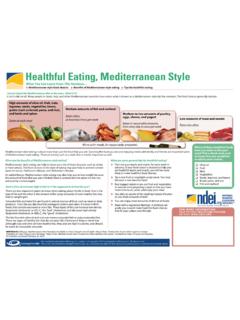
1 Making healthful food choices To keep blood glucose levels in your target range, start paying attention to the portions, or amounts of different foods, that you eat. Do you usually eat three pieces of chicken? Try eating two pieces instead. Talk with your healthcare provider about finding a dietitian: an eating coach that will teach you about food choices and portions and work with you to put together a healthy-eating plan. Until you see a dietitian, focus on filling your plate with vegetables and having smaller portions of starchy foods (such as rice, pasta, potatoes, or dried split lentils, peas, or beans), and meat, turkey, chicken, or active If you re not doing any regular physical activity, talk with your healthcare provider about getting started.
2 Walking your dog or doing yard work count as physical activity and small things, like taking a 10-minute walk each day during your lunch break, add up, so look for ways to add extra physical activity into your by KnowledgePoint360 Group, LLC, Lyndhurst, 2013 KnowledgePoint360 Group, LLC. All rights content was created by KnowledgePoint360 Group, LLC, and was not associated with funding via an educational grant or a promotional/commercial :TALK TO your HEALTHCARE PROVIDEROR VISIT by KnowledgePoint360 Group, LLC, Lyndhurst, NJ. Copyright 2013 KnowledgePoint360 Group, LLC.
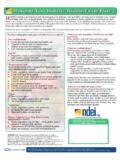
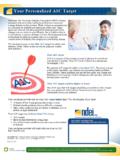
3 All rights content was created by KnowledgePoint360 Group, LLC, and was not associated with funding via an educational grant or a promotional/commercial people find out that they have type 2 Diabetes , they often feel overwhelmed. You can help yourself by taking small but important steps to learn the skills you will need to take care of you will be making daily decisions about your type 2 Diabetes care, it will help you to learn about four important self-management skills. This handout reviews these skills and partners that will help you along the : American Association of Diabetes Educators.
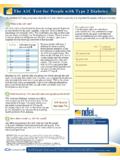
4 AADE7 .Available at: Mayo Clinic. Diabetes care: 10 ways to avoid Diabetes complications. Available at: MedlinePlus. Type 2 Diabetes self-care. Available at: All websites accessed November 6, your Type 2 Diabetes : The BasicsManaging your Type 2 Diabetes : The Diabetes EDUCATION INITIATIVE Checking glucose Checking your blood glucose is the best tool you have to find out how your food choices and any medications that you may be taking are working to keep your blood glucose in your target range. You will need to learn how to check and when to check so you will get the most helpful feedback for Managing your type 2 Four Important Self-Management SkillsTo manage type 2 Diabetes , you need information and support.
5 There is a whole team of people who can coach and advise you, including your doctor or healthcare provider, dietitian,nurse, pharmacist, and Diabetes educator. A Diabetes educator helps people who have orare at risk for type 2 Diabetes to learn about the skills they need to manage type 2 Diabetes educator can be a nurse or pharmacist or to your healthcare provider about your concerns andany obstacles that you feel could get in the way of managingyour type 2 Diabetes . He or she will help you to figure out strategies to overcome obstacles. Friends and family are a great resource, too: they can providesupport and lend an ear if you need someone to talk to.
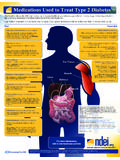
6 Even though self-management of type 2 Diabetes is very important,you re not in it alone: don t be afraid to ask for help if you need it! Taking medication Research has shown that many people can benefit from taking medication (such as taking pills by mouth) for the treatment of type 2 Diabetes . If your healthcare provider has prescribed any type 2 Diabetes pills for you, be sure to ask three questions: what is the pill for, when is the best time to take it, and what side effects should you t Be Afraid to Ask for HelpPartners for Type 2 Diabetes Management