Transcription of MATERIAL SAFETY DATA SHEET BENZALKONIUM CHLORIDE
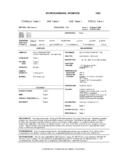
1 MATERIAL SAFETY data SHEET BENZALKONIUM CHLORIDE 1. CHEMICAL PRODUCT AND COMPANY IDENTIFICATION Product Name: BENZALKONIUM CHLORIDE Company Identification: 237/2, Vellivoyal Chavadi Chennai - 600 103. Tamilnadu Office Telephone No: 044 64606747 2. COMPOSITION / INFORMATION OF INGREDIENTS Chemical description: BENZALKONIUM CHLORIDE CHEMICAL NAME CAS NO. CAS NO. EINECS NO. WT% Ammonium, alkyl dimethyl benzyl-, CHLORIDE 8001-54-5 No data available 48-50 3. HAZARD IDENTIFICATION Classification of the substance or mixture : Classification according to EU directives 67/548/EEC or 1999/45/EC REGULATION (EC) No.
2 1272/2008 Classification of the substance or mixture Label elements : Hazard Statements Causes severe skin burns and eye damage. Causes serious eye damage. Precautionary Statements Prevention Do not breathe mist or vapor. Wash thoroughly after handling. Wear protective gloves/protective clothing/eye protection/face protection Precautionary Statements Response If swallowed: Rinse mouth. Do NOT induce vomiting. If on skin (or hair): Take off immediately all contaminated clothing. Rinse skin with water/shower.
3 Wash contaminated clothing before reuse. If inhaled: Remove person to fresh air and keep comfortable for breathing. If in eyes: Rinse cautiously with water for several minutes. Remove contact lenses, if present and easy to do. Continue rinsing. Immediately call a poison center/doctor. Precautionary Statements - storage Store locked up. Precautionary Statements - Disposal Dispose of contents/container in accordance with local/regional/national/international regulations. 4. FIRST AID MEASURES General Advice: Remove from exposure.
4 Remove contaminated clothing. For treatment advice, seek guidance from an occupational health physician or other licensed health-care provider familiar with workplace chemical exposures. In the United States, the national poison control center phone number is 1-800-222-1222. If person is not breathing, give artificial respiration. If breathing is difficult, give oxygen if available. Persons developing serious hypersensitivity (anaphylactic) reactions must receive immediate medical attention.
5 Inhalation If inhaled, remove to fresh air. If not breathing, give artificial respiration. If breathing is difficult, give oxygen. Get medical attention immediately. Skin Contact : In case of contact, immediately flush skin with plenty of water for at least 15 minutes while removing contaminated clothing and shoes. Cover the irritated skin with an emollient. Cold water may be used. Wash clothing before reuse. Thoroughly clean shoes before reuse. Get medical attention immediately.
6 Eye Contact : Check for and remove any contact lenses. In case of contact, immediately flush eyes with plenty of water for at least 15 minutes. Cold water may be used. Get medical attention immediately. Ingestion : Do NOT induce vomiting unless directed to do so by medical personnel. Never give anything by mouth to an unconscious person. If large quantities of this MATERIAL are swallowed, call a physician immediately. Loosen tight clothing such as a collar, tie, belt or waistband Most important symptoms and effects, both acute and delayed Corrosive effects.
7 Gastrointestinal disturbances. Respiratory depression. 5. FIRE FIGHTING MEASURES Extinguishing Media: SMALL FIRE: Use DRY chemical powder. LARGE FIRE: Use water spray, fog or foam. Do not use water jet. Special hazards arising from the substance or mixture: Risks of explosion of the product in presence of mechanical impact: Not available. Risks of explosion of the product in presence of static discharge: Not available. Protective Equipment and Precautions for Firefighters 6. ACCIDENTAL RELEASE MEASURES Personal precautions, protective equipment and emergency procedures: Keep unnecessary personnel away.
8 Do not touch damaged containers or spilled MATERIAL unless wearing appropriate protective clothing. Ensure adequate ventilation. Avoid inhalation of vapors. Wear appropriate personal protective equipment. Environmental precautions: Methods and MATERIAL for containment and cleaning up: Absorb spillage with suitable absorbent MATERIAL . For waste disposal, see section 13 of the SDS. Clean surface thoroughly to remove residual contamination. 7. HANDLING AND STORAGE Precautions for safe handling: Keep locked Keep container dry.
9 Keep away from heat. Keep away from sources of ignition. Empty containers pose a fire risk, evaporate the residue under a fume hood. Do not ingest. Do not breathe dust. Never add water to this product. In case of insufficient ventilation, wear suitable respiratory equipment. If ingested, seek medical advice immediately and show the container or the label. Avoid contact with skin and eyes. Keep away from incompatibles such as oxidizing agents, moisture. Conditions for safe storage, including any incompatibilities & Storage: Hygroscopic.
10 Keep container tightly closed. Keep container in a cool, well-ventilated area. Do not store above 23 C ( F). 8. EXPOSURE CONTROL / PERSONAL PROTECTION Control parameters Exposure controls No exposure standards allocated. Engineering Controls: Use process enclosures, local exhaust ventilation, or other engineering controls to keep airborne levels below recommended exposure limits. If user operations generate dust, fume or mist, use ventilation to keep exposure to airborne contaminants below the exposure limit Personal Protective Equipment: Face shield.