Transcription of MATERIAL SAFETY DATA SHEET - Expl
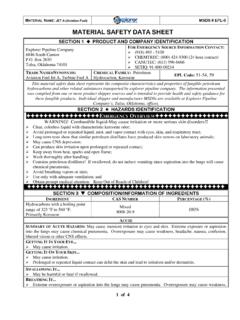
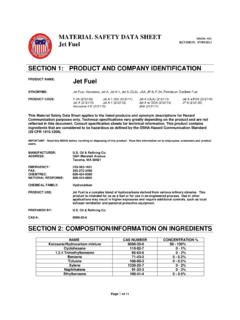
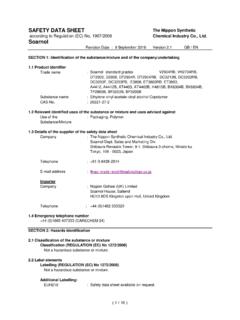
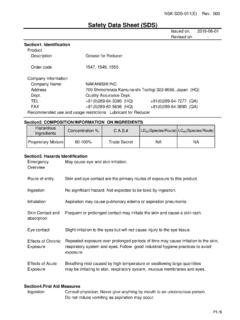
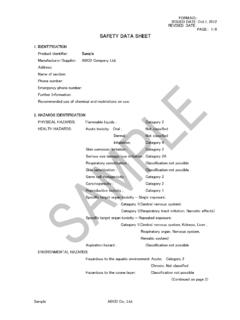
1 MATERIAL NAME: JP-4 (Aviation Fuel) MSDS # EPL-5 1 of 5 MATERIAL SAFETY data SHEET section 1 X PRODUCT AND COMPANY IDENTIFICATION Explorer Pipeline Company 6846 South Canton Box 2650 Tulsa, Oklahoma 74101 FOR EMERGENCY SOURCE INFORMATION CONTACT: (918) 493 - 5100 CHEMTREC: (800) 424-9300 (24 hour contact) CANUTEC: (613) 996-6666 SETIQ: 91-800-00214 TRADE NAMES/SYNONYMS: Jet Fuel Grade JP4 Military Jet CHEMICAL FAMILY: Naphtha Based Petroleum, Kerosene EPL Code: 58 This MATERIAL SAFETY data SHEET represents the composite characteristics and properties of fungible petroleum hydrocarbons and other related substances transported by explorer pipeline company.
2 The information presented was compiled from one or more product shipper sources and is intended to provide health and SAFETY guidance for these fungible products. Individual shipper and manufacturer MSDSs are available at Explorer Pipeline Company s, Tulsa, Oklahoma, offices. section 2 ; HAZARDS IDENTIFICATION )))))))))))))))))EMERGENCY OVERVIEW)))))))))))))))))Danger Extremely Flammable!! Clear, colorless liquid with faint hydrocarbon odor; Harmful or fatal if swallowed, inhaled or absorbed through skin. May cause CNS depression. Can produce skin irritation upon prolonged or repeated contact. Keep away from heat, sparks and open flame; Wash thoroughly after handling; Contains petroleum distillates!
3 If swallowed, do not induce vomiting since aspiration into the lungs will cause chemical pneumonia; Avoid breathing vapors or mist; Use only with adequate ventilation; and Obtain prompt medical attention. Keep Out of Reach of Children! )))))))))))))))))))))))))))))))))))))))) )))))) section 3 W COMPOSITION/INFORMATION OF INGREDIENTS INGREDIENT CAS NUMBER PERCENTAGE (%) 64742-49-0 Hydrotreated light naphtha, petroleum and Hydrotreated heavy naphtha, petroleum 64742-47-8 100% Antioxidant, anti-static, metal deactivator, and corrosion inhibitor additives As approved Added at low ppm levels to meet specifications Ethylene glycol monomethyl ether 109-86-4 to % by volume normally added as an anti-icing agent as required by military specifications.
4 May contain benzene 71-43-2 < ACUTE SUMMARY OF ACUTE HAZARDS: If this MATERIAL is vomited and breathed into the lungs, chemical pneumonia can result. Repeated and prolonged overexposure to vapors can cause CNS depression, coma, and respiratory arrest. GETTING IT IN YOUR May cause moderate irritation, including burning sensation, redness or swelling of eyelids. MATERIAL NAME: JP-4 (Aviation Fuel) MSDS # EPL-5 2 of 5 GETTING IT ON YOUR No significant signs or symptoms indicative of any health hazard are expected to occur as a result of skin absorption exposure. Some irritation may occur. Headaches and nausea are also possible.
5 Prolonged or repeated contact may cause skin to become dry or cracked leading to dermatitis. SWALLOWING May be harmful or fatal if swallowed. Ingestion may result in vomiting. Aspiration of vomitus may lead to pneumonitis BREATHING Irritation to the nose, throat, and respiratory tract may cause CNS depression followed by dizziness and headache. May cause liver and kidney damage. CHRONIC Early to moderate CNS (Central Nervous System) depression may be evidenced by giddiness. Headache, dizziness and nausea in extreme cases. Unconsciousness and death may occur. Aspiration pneumonitis may be evidenced by coughing, labored breathing and cyanosis (bluish skin color): In severe cases death may occur.
6 Kidney damage may be evidenced by changes in urine output. Urine appearance or edema (swelling from fluid retention). Liver damage may be evidenced by loss of appetite. Jaundice (yellowish skin color) and sometimes pain in the upper abdomen on the right side. Preexisting eye, skin, and respiratory disorders may be aggravated by exposure to this product. Impaired liver and kidney function(s) from preexisting disorders may be aggravated by exposure to this product. CANCER, REPRODUCTIVE AND GENETIC EFFECTS A chronic inhalation study supported by the United States Air Force found that fully vaporized JP-4 produced lung tumors in mice at the highest concentrations tested.
7 Repeated high level benzene exposure may produce injury of the blood-forming tissues causing blood abnormalities and possibly leukemia; however, exposures to such high levels are not likely to be encountered in JP-4 vapor due to the low benzene content. See Toxicological Information ( section 11) For More Information section 4 FIRST AID MEASURES EMERGENCY MEDICAL TREATMENT PROCEDURES: If more than ml per KG has been ingested and vomiting has not occurred, emesis should be induced with medical supervision. Keep victim s head below hips to prevent aspiration. If symptoms such as loss of gag reflex, convulsions or unconsciousness occur before emesis, gastric lavage using a cuffed endotracheal tube should be considered.
8 EYES: If splashed into the eyes, flush with clear water for 15 minutes or until irritation subsides. If irritation persists, call a physician. SKIN: In case of skin contact, remove any contaminated clothing and wash skin thoroughly with soap and water. INGESTION: If ingested, DO NOT induce vomiting; call a physician immediately INHALATION: If overcome by vapor, remove from exposure and call a physician immediately. If breathing is irregular or has stopped, start resuscitation, administer oxygen, if available. NOTE TO PHYSICIAN: TREAT SYMPTOMATICALLY AND SUPPORTIVELY MATERIAL NAME: JP-4 (Aviation Fuel) MSDS # EPL-5 3 of 5 section 5 a FIRE FIGHTING MEASURES Extremely flammable vapors may be generated by MATERIAL , when mixed with air and exposed to ignition source; vapors can burn in open or explode if confined.
9 Vapors may be heavier than air, and may travel long distances along ground before igniting/flashing back to vapor source. Clothing, rags or similar organic MATERIAL contaminated with this product and stored in a closed space may undergo spontaneous combustion; transfer to and from commonly grounded containers. FLASH POINT:(Method Used) <10 F FLAMMABLE LIMITS: LEL: UEL: AUTOIGNITION TEMPERATURE: 410-465 F EXTINGUISHING MEDIA: Dry Chemical, Foam, CO2, and Water Fog HAZARDOUS REACTIONS/DECOMPOSITION: Incomplete combustion generates highly poisonous carbon monoxide and perhaps other toxic gases. SPECIAL INSTRUCTIONS: Do not enter fire area without proper protection.
10 Decomposition products possible. Fight fire from safe distance/protected location. Heat may build pressure/rupture closed containers, spreading fire, increasing risk of burns/injuries. Do not use solid water stream -- may spread fire. Apply water spray/fog for cooling. Notify authorities if liquid enters sewer/public waters. Unignited vapors are extremely hazardous to health. section 6 ACCIDENTAL RELEASE MEASURES Shut off and eliminate all ignition sources. Keep people away. Recover free product. Add sand, earth or other suitable absorbent to spill area. Minimize breathing vapors. Minimize skin contact. Ventilate confined spaces.