Transcription of Moxicam - Medicines
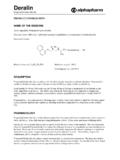
1 Product Information Pg. 1 PRODUCT INFORMATION Moxicam Meloxicam NAME OF THE MEDICINE Active ingredient : Meloxicam Chemical name : 4-Hydroxy-2-methyl-N-(5-methyl-2-thiazol yl)-2H-1,2-benzothiazine-3carboxamide-1, 1-dioxide Structural formula : Molecular formula : C14H13N3O4S2 Molecular weight : CAS Registry no. : 71125-38-7 DESCRIPTION Meloxicam is a pastel yellow solid with pKa values of and and a melting point of about 256 C. The substance is practically insoluble in water, soluble in dimethylformamide, slightly soluble in chloroform and acetone, and very slightly soluble in methanol.
2 There are no chiral centres and no polymorphs are formed under normal conditions. Each Moxicam tablet consists of mg or 15 mg the active ingredient meloxicam and the following excipients: pregelatinized maize starch, microcrystalline cellulose, lactose monohydrate, maize starch, sodium citrate, colloidal anhydrous silica and magnesium stearate. PHARMACOLOGY Pharmacological Actions Meloxicam is a nonsteroidal anti-inflammatory drug (NSAID) of the enolic acid class, which has shown antiinflammatory, analgesic and antipyretic properties in animals. Meloxicam showed anti-inflammatory activity in all standard models of inflammation.
3 A common mechanism for the above effects may exist in the ability of meloxicam to inhibit the biosynthesis of prostaglandins, known mediators of inflammation, by inhibition of cyclooxygenase (COX). Comparison of the ulcerogenic dose and the anti-inflammatory effective dose in rat adjuvant arthritis model confirmed a greater therapeutic margin in animals over other NSAIDs (piroxicam, diclofenac, naproxen, flurbiprofen). In rats, meloxicam showed greater inhibitory effect on prostaglandin biosynthesis at the site of inflammation than in the gastric mucosa or the kidney.
4 Selective inhibition of the cyclooxygenase-2 (COX-2) isoenzyme, relative to COX-1, by meloxicam has been demonstrated in vitro on various cell systems: guinea pig macrophages, bovine aortic endothelial cells (for testing Moxicam PRODUCT INFORMATION Product Information Pg. 2 of COX-1 activity), mouse macrophages (for testing for COX-2 activity), and human recombinant enzymes expressed in cos-cells and in human whole blood. 2 Pharmacokinetics Absorption Meloxicam is well absorbed from the gastrointestinal tract following oral administration (absolute bioavailability 89%).
5 Once daily dosing leads to mean drug plasma concentrations with a relatively narrow Cmaxss Cminss window in the range of g/mL for mg doses or g/mL for 15 mg doses. However, values outside of this range have been encountered (Cmin and Cmax at steady state, respectively). The absorption is not altered by concomitant food intake. Maximum plasma concentrations were regularly achieved between 5-6 hours following tablet administration, irrespective of concomitant food consumption. Drug concentrations are dose-proportional for oral mg and 15 mg doses, respectively.
6 Steady state conditions are achieved in three to five days. Distribution Volume of distribution is low (on average, 16 L). The volume of distribution following administration of multiple oral doses of meloxicam ( to 15 mg) ranged from (%CV - ). In plasma, more than 99% is bound to plasma proteins. Meloxicam penetrates well into synovial fluid to give concentrations approximately half those in plasma. Metabolism Meloxicam is eliminated almost entirely by hepatic metabolism: two thirds by cytochrome (CYP) P450 enzymes (CYP 2C9 two thirds and CYP 3A4 one third) and one third by other pathways, such as peroxidase oxidation.
7 Meloxicam is almost completely metabolised to four pharmacologically inactive metabolites. The major metabolite, 5'-carboxymeloxicam (60% of dose), from CYP 2C9 mediated metabolism, is formed by oxidation of an intermediate metabolite 5'-hydroxymethylmeloxicam, which is also excreted to a lesser extent (9% of dose). In vitro studies suggest that CYP 2C9 plays an important role in this metabolic pathway, with a minor contribution from the CYP 3A4 isoenzyme. The patient's peroxidase activity is probably responsible for the other two metabolites which account for 16% and 4% of the administered dose respectively.
8 Elimination Meloxicam excretion is predominantly in the form of metabolites, and occurs to equal extents in the faeces and urine. Only traces of the unchanged parent compound are excreted in the urine ( ) and faeces ( ). The extent of the urinary excretion was confirmed for unlabelled multiple mg doses: , 6% and 13% of the dose were found in urine in the form of meloxicam, and the 5'-hydroxymethyl and 5'-carboxy metabolites, respectively. There is significant biliary and/or enteral secretion of the drug. This was demonstrated when oral administration of cholestyramine following a single IV dose of meloxicam decreased the AUC of meloxicam by 50%.
9 Meloxicam is eliminated from the body with a mean elimination half-life of 20 hours. Total plasma clearance ranged from 7 - 9 mL/min following multiple oral doses of meloxicam. Special Populations Hepatic impairment Following a single 15 mg dose of meloxicam, there was no marked difference in plasma concentrations in subjects with mild (Child-Pugh Class I) and moderate (Child-Pugh Class II) hepatic impairment compared to healthy volunteers. Protein binding of meloxicam was not affected by hepatic insufficiency. Patients with severe hepatic impairment (Child-Pugh Class III) have not been adequately studied.
10 Renal impairment Meloxicam pharmacokinetics has been investigated in subjects with different degrees of renal insufficiency. Total drug plasma concentrations decreased with the degree of renal impairment. Mild renal insufficiency does not have Moxicam PRODUCT INFORMATION Product Information Pg. 3 any substantial effect on meloxicam pharmacokinetics. Total clearance of meloxicam increased in these patients, probably due to the increase in free fraction, leading to an increased metabolic clearance. Subjects with moderate renal impairment had higher total drug clearance.