Transcription of Panadeine Extra PRODUCT INFORMATION - …
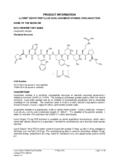
1 Panadeine Extra - PRODUCT INFORMATION 1 of 7 Panadeine Extra PRODUCT INFORMATION NAME OF MEDICINE Active ingredients Chemical structure CAS Registry Number Paracetamol 103-90-2 codeine phosphate 41444-62-6 DESCRIPTION FORMULATION Active Ingredients Paracetamol 500 mg codeine phosphate 15 mg Excipients Starch - maize, talc - purified, stearic acid, titanium dioxide, povidone, starch pregelatinised maize, potassium sorbate, magnesium stearate. Contains no sugar, lactose or wheat starch. PHARMACOLOGY Paracetamol is a para-aminophenol derivative that exhibits analgesic and anti-pyretic activity. It does not possess anti-inflammatory activity.
2 It is given by mouth or rectally for mild to moderate pain and fever. codeine phosphate is an opioid analgesic which binds with stereospecific receptors at many sites within the central nervous system. It alters processes affecting both the perception of pain and the emotional response to pain. codeine has about one-sixth of the analgesic activity of morphine. After oral administration, paracetamol is absorbed rapidly and completely from the gastrointestinal tract; peak plasma levels occur 10 to 60 minutes after administration. Panadeine Extra - PRODUCT INFORMATION 2 of 7 Paracetamol is uniformly distributed throughout most body fluids; the apparent volume of distribution is 1 to L/kg.
3 Paracetamol can cross the placenta and is excreted in breast milk. Plasma protein binding is negligible at usual therapeutic concentrations but increases with increasing concentrations. Paracetamol is metabolised by the hepatic microsomal enzyme system. In adults at therapeutic doses, paracetamol is mainly conjugated with glucuronide (45 to 55%) or sulfate (20 to 30%). A minor proportion (less than 20%) is metabolised to catechol derivatives and mercapturic acid compounds via oxidation. Paracetamol is metabolised differently by infants and children compared to adults, the sulfate conjugate being predominant. Paracetamol is excreted in the urine mainly as the glucuronide and sulfate conjugates. Less than 5% is excreted as unchanged paracetamol with 85 to 90% of the administered dose eliminated in the urine within 24 hours of ingestion.
4 The elimination half-life varies from 1 to 3 hours. Food intake delays paracetamol absorption. codeine phosphate is absorbed from the gastrointestinal tract and peak plasma concentrations are reached one hour after oral administration. codeine is metabolised in the liver to morphine and norcodeine. codeine and its metabolites are excreted almost entirely by the kidney within 24 hours. The metabolites are mainly conjugates with glucuronic acid. Patients who metabolise drugs poorly via CYP2D6 are likely to obtain reduced benefit from codeine due to reduced formation of the active metabolite. The plasma half-life varies between three and four hours after oral administration. CLINICAL TRIALS Adverse event data from clinical trials of codeine are sparse and are based on higher doses of codeine than that contained in this PRODUCT .
5 These data are unreliable for determining the nature and frequency of adverse reactions at dose of codeine contained in this PRODUCT . INDICATIONS For the temporary relief of pain and discomfort associated with: Headache Arthritis Migraine headache Toothache Tension headache Neuralgia Period pain Cold & flu symptoms Musculoskeletal pain Dental procedures Muscle ache Sore throat Panadeine Extra - PRODUCT INFORMATION 3 of 7 CONTRAINDICATIONS Previous history of hypersensitivity to paracetamol, codeine , opioid analgesics, or excipients. Active alcoholism. Acute respiratory depression.
6 In mothers who are breastfeeding In children under the age of 18 years because of the risk of opioid toxicity due to the variable and unpredictable metabolism of codeine to morphine (see Pharmacology). Those who are known to be CYP2D6 ultra-rapid metabolisers. If the patient is an extensive or ultra-rapid CYP2D6 metaboliser there is an increased risk of developing symptoms of opioid toxicity, even at commonly prescribed doses. General symptoms of opioid oxicity include confusion, somnolence, shallow breathing, small pupils, nausea, vomiting, constipation and lack of appetite. In severe cases this may include symptoms of circulatory and respiratory depression which may be life threatening and very rarely fatal.
7 PRECAUTIONS Adults: Not to be taken for more than three days unless on the advice of a doctor. Prolonged or excessive consumption of codeine can result in dependence. Panadeine is for the relief of minor and temporary ailments and should be used strictly as directed. If symptoms persist or worsen, medical advice must be sought. Patients who have been diagnosed with liver or kidney impairment must seek medical advice before taking paracetamol. Underlying liver disease increasing the risk of paracetamol-related liver injury. Patients with obstructive bowel disorders or acute abdominal conditions should consult a doctor before using this PRODUCT . Patients with a history of cholecystectomy should consult a doctor before using this PRODUCT as it may cause acute pancreatitis in some patients.
8 In patients with glutathione depleted states such as sepsis, the use of paracetamol may increase the risk of metabolic acidosis. codeine should be used with caution in patients with CNS depression or decreased respiratory reserve. Patients taking the following medications should consult a physician prior to taking this PRODUCT (see Drug Interactions). Metoclopramide Domperidone Central nervous system depressants, including alcohol, anaesthetics, hypnotics, sedatives, tricyclic antidepressant and phenothiazine Monoamine oxidase inhibitors (MAOI) Patients should be advised not to drive or operate machinery if affected by dizziness or drowsiness. Panadeine Extra - PRODUCT INFORMATION 4 of 7 Use in Pregnancy & Lactation Pregnancy Category A - Drugs which have been taken by a large number of pregnant women and women of childbearing age without any proven increase in the frequency of malformations or other direct or indirect harmful effects on the foetus having been observed.
9 Use during pregnancy should be avoided unless advised by a doctor. This includes maternal use during labor because of the potential of respiratory depression in the neonate. The safety of paracetamol and codeine during pregnancy has not been established relative to possible adverse effects on foetal development. Lactation codeine -containing products must not be used while breastfeeding. In nursing mothers, who are ultra-rapid metabolisers of codeine , higher than expected serum and breast milk morphine levels can occur. Morphine toxicity in babies can cause excessive somnolence, hypotonia and difficulty breastfeeding or breathing. In severe cases respiratory depression and death can occur. Use in Children Do not use in children under 18 years of age.
10 INTERACTIONS WITH OTHER MEDICINES Paracetamol The anticoagulant effect of warfarin and other coumarins may be enhanced by prolonged regular daily use of paracetamol with increased risk of bleeding; occasional doses have no significant effect. Paracetamol absorption is increased by drugs which increase gastric emptying, metoclopramide, and decreased by drugs which decrease gastric emptying, propantheline, antidepressants with anticholinergic properties, narcotic analgesics. Paracetamol may increase chloramphenicol concentrations. The likelihood of paracetamol toxicity may be increased by the concomitant use of enzyme inducing agents such as alcohol or anticonvulsant drugs. codeine It is possible that interactions could occur between drugs that can inhibit CYP2D6 (such as quinidine, phenothiazines and antipsychotic agents) and codeine .