Transcription of REMEMBERING KEEGAN
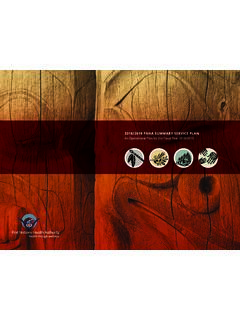
1 REMEMBERING KEEGAN : A BC First Nations case study Reflection | FNHA 1 REMEMBERING KEEGANA BC FIRST NATIONS case study REFLECTION2 REMEMBERING KEEGAN : A BC First Nations case study Refl ection | FNHAARTWORK AND MEMORIAL PLAQUEHONOURING KEEGANOn the fourth anniversary of KEEGAN s passing, an artwork and a memorial plaque honouring KEEGAN were unveiled at Chilliwack General Hospital during a ceremony. The artwork, entitled Healing Hands of Friendship, is by Khut Whee Mul Uhk (Dr. Francis Horne Sr.), and appears on the cover of this case study .
2 The artwork plaque includes these words, from Khut Whee Mul Uhk: HEALING HANDS OF FRIENDSHIPThe Elders speak of a time in history when settlers fi rst arrived in this territory. The people extended their hands, sharing the gifts from the land to feed the newcomers and teaching through friendship how to fi sh and survive in a foreign Healing Hands artwork is another example of how we are bridging the gap between health care providers and fi sh represent the life cycle of the salmon and St :l people. The male and female are represented in the inner circle.
3 The four outer salmon signify the aboriginal guardians of the earth. The moon controls the tides with the sun providing life. The healing hands represent all cultures and serve as a reminder to reach out to each other and lend a helping hand at all times with love, honour, respect and memorial plaque is located on the outside wall of the Chilliwack General Hospital, and includes these words:IN MEMORIAMK eegan Combes, of Skwah First Nation, was a high school graduate, grade 10 pianist and chess champion who passed in September he is gone he will be rememberedKeegan brought together St.
4 L and Coast Salish leaders to transform the health system from a sickness model to a wellness model of care . In KEEGAN s memory, the Fraser Salish health Caucus leadership will work with the Board and Senior Executive Team of Fraser health Authority to transform the care provided to all. In his memory, we will work together to ensure that all peoples from all places and all races will be provided the highest quality of care that is respectful of all cultures and Halq em ylem to heal and straighten out REMEMBERING KEEGAN : A BC First Nations case study Refl ection | FNHA 3 KEEGAN COMBESS unrise: February 21, 1986 Sunset: September 26, 2015 ACKNOWLEDGEMENTS We hope that this case study reflection honours KEEGAN s journey and his legacy.
5 Our team at the Office of the Chief Medical Officer at the First Nations health Authority (FNHA) is grateful to KEEGAN s caregiver and his family the people who knew him best and love him deeply. They have shared his story to prevent it happening to another person and their family. Through the British Columbia (BC) First Nations health Governance Structure, the FNHA is the health and wellness partner to BC First Nations and First Nations people, families and communities in BC. The FNHA s work takes place within the territories of many BC First Nations throughout the province.
6 We are grateful to the ancestors of the lands where this work took place, and all the medicines within them. We also want to recognize the Fraser health Authority and the Chilliwack General Hospital, where KEEGAN s death took place, for their decision to commit to their ongoing Cultural Safety and Humility journey through partnerships with BC First Nations of the territories where they operate. KEEGAN s legacy has been to help shape the Cultural Safety and Humility transformation that is currently underway in the health system of BC.
7 Addressing racism and discrimination in health care is critical to transforming the health system to be culturally safe for First Nations and Indigenous people. Transformation will require both behaviour change on the part of health providers, and system change, including structures, policies, practices and procedures. Rhianna would like to thank KEEGAN s family for entrusting her to do this important work as the family advocate and to keep her promise to KEEGAN to share his story. She would also like to thank her incredible partner Paul, for his unwavering support, reassurance and encouragement through this difficult journey; Janene Erickson for walking alongside her throughout this long and emotional journey and continuing to honour KEEGAN by protecting the work and seeing it through; and Kate Jongbloed for sharing her skills to capture KEEGAN s story in a culturally safe way and developing the case study into an incredible learning tool for the health ecosystem and the leaders within it.
8 TRIGGER WARNINGThe content in this case study reflection is distressing and may trigger unpleasant feelings and memories of negative experiences. First Nations and Indigenous people may see it reflecting their own experiences of harm and cultural unsafety in the health care system. The content may also contribute to unpleasant feelings among non-Indigenous readers who are asked to witness and think differently about experiences of systemic racism that are often hidden from view. This information is intended to acknowledge the culturally unsafe care that exists in the health system and help to address it.
9 Those who require emotional support can contact the 24-Hour KUU-US Crisis Line at 1-800-588-8717. As we reflect on KEEGAN s experience through this case study , we will see Cultural Groundings, such as the one given here. These groundings were shared from Knowledge Keepers in the Fraser region and have been placed throughout KEEGAN s story to help us honour and remember the teachings of our Elders and how they passed down stories and narratives to symbolically gather around our fires, lean in and listen with our hearts and minds.
10 We hear the teachings that are being shared with us. The stories are imbued with power, Stories are meant to teach us about wrongs and rights. Inherently, they cause us to feel emotional, spiritual, mental and physical pain and joy. We accept that in order to carry the burden of teachings. Physical demarcations on the landscape cause us to always remember the story. KEEGAN s sacrifice causes us to shift and say never again .CULTURAL GROUNDINGSCONTENTSINTRODUCTION 1 BACKGROUND 3 WHY A case study REFLECTION?