Transcription of Second Generation Antipsychotic Sheet
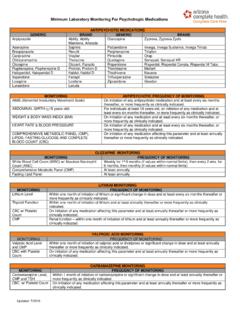
1 1 2014 2017 Magellan Health, Inc. rev 2/17 Second Generation Antipsychotic Tip Sheet Second Generation Antipsychotic Medications Arpiprazole/Abilify/Abilify Maintena/Aristada Asenapine/Saphris Clozapine/Clozaril/Versacloz Iloperidone/Fanapt Lurasidone/Latuda Olanzapine/Zyprexa/Zyprexa Relprevv Brexpiprazole/Rexulti Cariprazine/Vraylar Paliperidone/Invega/Invega Sustenna/Invega Trinza Quetiapine/Seroquel/Seroquel XR Risperidone/Risperdal/Risperdal Consta Ziprasidone/Geodon Medical Issues Related to Second Generation Antipsychotics Usage in
2 Adultsi,iiSecond- Generation antipsychotics may cause abnormal blood work in adults such as: Elevated serum glucose Elevated serum lipids Increased prolactin levels Conditions experienced may include: Weight gain Increased risk of type 2 diabetes Cardiovascular side effects Increased abdominal girth Diabetic ketoacidosis Sudden death in elderly Monitoring Patients on Second Generation Antipsychotics Medication The American Diabetes Association, the American Psychiatric Association, the American Association of Clinical Endocrinologists.
3 And the North American Association for the Study of Obesity recommend the following screening measures for monitoring patients using Second - Generation Measure Baseline 4 weeks 8 weeks 12 weeks Quarterly Annually Personal/Family History X XWeight X XXXX XWaist Circumference X XBlood Pressure X X XFasting Blood Glucose X X XFasting Lipid Profile X X X Both the psychiatric and medical communities have determined that the monitoring for metabolic side effects of Second - Generation antipsychotics is an important part of patient treatment.
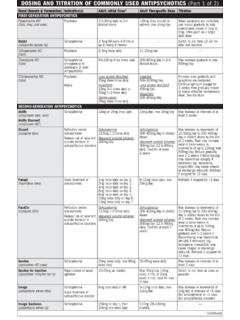
4 There are however, differences in the side-effect profiles of these agents. 2 2014 2017 Magellan Health, Inc. According to The American Psychiatric Association Clinical Practice Guideline for the Treatment of Patients with Schizophrenia (2004) and its Guideline Watch (September 2009), along with other more recently published head-to-head comparison studies, clozapine and olanzapine are the most likely to lead to weight gain, glucose and lipid abnormalities. Quetiapine,risperidone, paliperidone, iloperidone, cariprazine, asenapine, and brexpiprazole have mild/moderate risk.
5 Aripiprazole, ziprasidone, and lurasidone have low ,iv,v,vi The Potential Benefits of Second Generation Antipsychotic Medications:iii Prescribed for a wide variety of diagnosis Reduced neurological sequelae over older agents Less incidence of extra pyramidal symptoms Less incidence of tardive dyskinesia Increased effectiveness for some of these agents in treating negative symptoms of schizophrenia Issues Related to Use in ChildrenMultiple clinical studies and data published by the Government Accountability Office (GAO) have shown an increased use of psychotropic medications in children and adolescents despite long-term clinical studies.
6 Careful consideration of the need for a Second - Generation Antipsychotic , in addition to monitoring weight, serum glucose, lipid profile and abdominal girth, is imperative in this vulnerable population. Summary Second - Generation antipsychotics should be used for approved indications Second - Generation antipsychotics can have significant metabolic side effects; these effects vary between the different drugs Monitoring can reduce the risk of metabolic side effects Practitioners should base selection of Antipsychotic on individual risk factors for each patient.
7 For instance, previous response, side effect profiles, family history, co-morbid conditions, medical vulnerabilities, tolerances and patient ,vii These guidelines are not intended to replace a practitioners clinical judgment. They are designed to provide information and to assist practitioners with decisions regarding care. The guidelines are not intended to define a standard of care or exclusive course of treatment. Practitioners using these guidelines are responsible for considering patients particular situations in evaluating the appropriateness of these guidelines.
8 I Dhamane A, Martin B, Brixner D, et al. (2013). Metabolic Monitoring of Patients Prescribed Second Generation Antipsychotics. Journal of Psychiatric Practice. 19(5): 360-374. ii American Diabetes Association, American Psychiatric Association, American Association of Clinical Endocrinologists; North American Association for the Study of Obesity. (2004). Consensus Development Conference on Antipsychotics Drugs and Obesity and Diabetes. Diabetes Care 2004 27(2):596-601. iii American Psychiatric Association.
9 Clinical Practice Guideline for Treating Schizophrenia 2004. iv American Psychiatric Association. Guideline Watch (2009): Clinical Practice Guideline for Treating Schizophrenia. 3 2014 2017 Magellan Health, Inc. v Leucht S., Komossa K, Rummel-Kluge C, et al. (2009). Meta-Analysis of Head-to Head Comparisons of Second Generation Antipsychotics in the Treatment of Schizophrenia. Am J Psychiatry.
10 166:152-163. vi De Hert M, Yu W, Detraux J, et al. (2012). Body weight and metabolic adverse effects of asenapine, iloperidone, lurasidone, and paliperidone in the treatment of schizophrenia and bipolar disorder: a systematic review and exploratory meta-analysis. CNS Drugs. 26(9): 733-759 vii Kane J, Correll C. (2010) Past and Present Progress in Pharmacology Treatment of Schizophrenia. Clin Psychiatry. 71(9): 1115-24.