Transcription of SECTION 1: PRODUCT AND COMPANY …
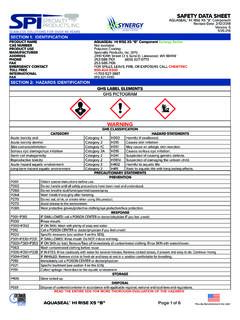
1 MATERIAL SAFETY DATA SHEET Isocyanate MDI-I A Component Revised Date: 08/11/09 Page 1 of 7 specialty Products, Inc. ISO 9001 SECTION 1: PRODUCT AND COMPANY identification PRODUCT Name: Isocyanate MDI-I A Component COMPANY : specialty Products, Inc. (SPI) 2410 104th St Ct S, Ste D Lakewood, WA 98499 Phone: Toll Free: Fax: EMERGENCY CONTACT: For Spills, Leaks, Fire or Exposure call CHEMTREC Toll Free: International Calls: Fax: SECTION 2: COMPOSITION/INFORMATION ON INGREDIENTS Name CAS# % W Polymeric Diphenylmethane 9016-87-9 >55 Methylene Diphenyldiisocyanate 101-68-8 >45 SECTION 3: HAZARDS identification Physical State: Dark brown liquid.
2 Odor: Slightly musty odor. OSHA/HCS status: This material is classified as hazardous under OSHA Hazard Communication Standard (29 CFR ). Emergency Overview: WARNING Irritating to eyes, respiratory system and skin. Inhalation at levels above the occupational exposure limit could cause respiratory sensitization. May cause risk of serious damage to respiratory system. The onset of the respiratory symptoms may be delayed for several hours after exposure. A hyper-reactive response to even minimal concentrations of MDI may defelop in sensitized persons.
3 Sensitized persons should not be exposed to any mixture containing unreacted MDI. General Information: Read the entire MSDS for a more thorough evaluation of the hazards. SECTION 4: FIRST AID MEASURES Eye Contact: Can cause eye irritation. Symptoms include stinging, tearing, redness and swelling of eyes. Prolonged exposure may cause temporary corneal injury. If symptoms develop, immediately move individual away from exposure and into fresh air. Flush eyes gently with water for at least 15 minutes while holding eyelids apart; seek immediate medical attention.
4 Skin Contact: Can cause skin irritation. Symptoms may include redness and burning of skin, and other skin MATERIAL SAFETY DATA SHEET Isocyanate MDI-I A Component Revised Date: 08/11/09 Page 2 of 7 specialty Products, Inc. ISO 9001 damage. Additional symptoms of skin contact may include: allergic skin reaction (delayed skin rash which may be followed by blistering, scaling and other skin effects) Remove contaminated clothing. Flush exposed area with large amounts of water. If skin is damaged, seek immediate medical attention.
5 Launder clothing before reuse. Ingestion: Swallowing this material may be harmful or fatal. Symptoms may include severe stomach and intestinal irritation (nausea, vomiting, diarrhea), abdominal pain, and vomiting of blood. Swallowing this material may cause burns and destroy tissue in the mouth, throat, and digestive tract. Low blood pressure and shock may occur as a result of severe tissue injury. This material can get into the lungs during swallowing or vomiting. This results in lung inflammation and other lung injury.
6 Seek medical attention. If individual is drowsy or unconscious, do not give anything by mouth; place individual on left side with the head down. Contact a physician. medical facility, or poison control center for advice about whether to induce vomiting. If possible, do not leave individual unattended. Inhalation: At room temperature vapor concentrations are low due to the low volatility of this material and are not likely to cause harmful effects. At concentrations above the TLV or PEL, vapors may cause respiratory irritation or other adverse effects.
7 Symptoms may include runny nose, sore throat, coughing, chest discomfort, shortness of breath, and reduced lung function. Acute exposure may result in irritation of the upper respiratory tract and lungs and cause pulmonary edema (fluid in the lungs). Some individuals may become permanently sensitized to this material and experience asthma-like symptoms even at levels well below recommended exposure guidelines. These effects may be delayed and may be life threatening. Overexposure may result in fibrosis and permanent decreased lung function.
8 If symptoms develop, immediately move individual away from exposure and into fresh air. Seek immediate medical attention; keep person warm and quiet. If person is not breathing, begin artificial respiration. If breathing is difficult, administer oxygen. Monitor individual for the development of asthmatic symptoms, which may be immediate or develop after several hours. Notes to Physician: Signs and symptoms of exposure to this material through breathing, swallowing, and/or passage of the material through the skin may include: irritation (nose, throat, airways), allergic reaction (causes narrowing of the air passages of the lungs, sweating, flushing, hives, rapid heart rate and lowered blood pressure).
9 This material is an aspiration hazard. Potential danger from aspiration must be weighed against possible oral toxicity (See SECTION 3-Swallowing) when deciding whether to induce vomiting. Preexisting disorders of the following organs (or organ systems) may be aggravated by exposure to this material: respiratory tract, skin, lung (for example, asthma-like conditions). General In case of accident or if you feel unwell, seek medical advice IMMEDIATELY (show the MSDS where possible). SECTION 5: FIRE-FIGHTING MEASURES Flash Point: 446 F (230 C) Auto Ignition Temperature: No Data Combustion Products: May form: carbon dioxide and carbon monoxide, hydrogen cyanide, nitrogen compounds and various hydrocarbons.
10 Extinguishing Media Dry chemical; Carbon Dioxide; Foam; Water spray for large fires. Special Fire Fighting Procedures: Water or foam may cause frothing which can be violent and possibly endanger the life of the firefighter. Full emergency equipment with self-contained breathing apparatus and full protective clothing should be worn by firefighters. During a fire, MDI vapors and other irritating, highly toxic gases may be generated by thermal decomposition or combustion. (See Stability and Reactivity). At temperatures greater than 400 F (204 0C), polymeric MDI can polymerize and decompose which can cause pressure build-up in closed containers.